
Why Your Ceiling Fans Spin the Wrong Way and How to Fix It for Summer
A ceiling fan that spins the wrong way during an Oklahoma summer quietly works against you all season long. The blades still turn, the room still hums with that familiar whir, and most homeowners never suspect a thing. The problem is the direction of the spin, not the speed or the noise. When a fan rotates the wrong way in warm weather, it pulls air up toward the ceiling instead of pushing a cooling breeze down toward your skin. That means you lose the wind chill effect that makes a fan feel refreshing in the first place. You crank the air conditioner harder, your energy bill climbs, and the fan that should be helping ends up doing almost nothing useful. The good news is that the fix is usually simple, fast, and free once you understand what is happening above your head. This guide walks you through why fans reverse, how to correct the direction, and when to call a licensed electrician for a deeper look.
Why Ceiling Fans Spin the Wrong Way During Summer
Ceiling fans spin the wrong way during summer for reasons that almost always trace back to one small setting on the motor. Manufacturers build a direction control into nearly every modern fan so the same unit can serve you in both warm and cold months. Someone in the home may have flipped that control during winter and simply forgot to flip it back when the heat returned. A power outage, a remote reset, or a smart home update can also nudge the setting out of place without anyone touching the fan. Knowing the correct summer direction puts you back in control and helps the fan earn its keep. Below you will find the most common reasons a fan ends up turning the wrong way once temperatures rise across central Oklahoma.
The Summer Ceiling Fan Direction That Spins the Wrong Way
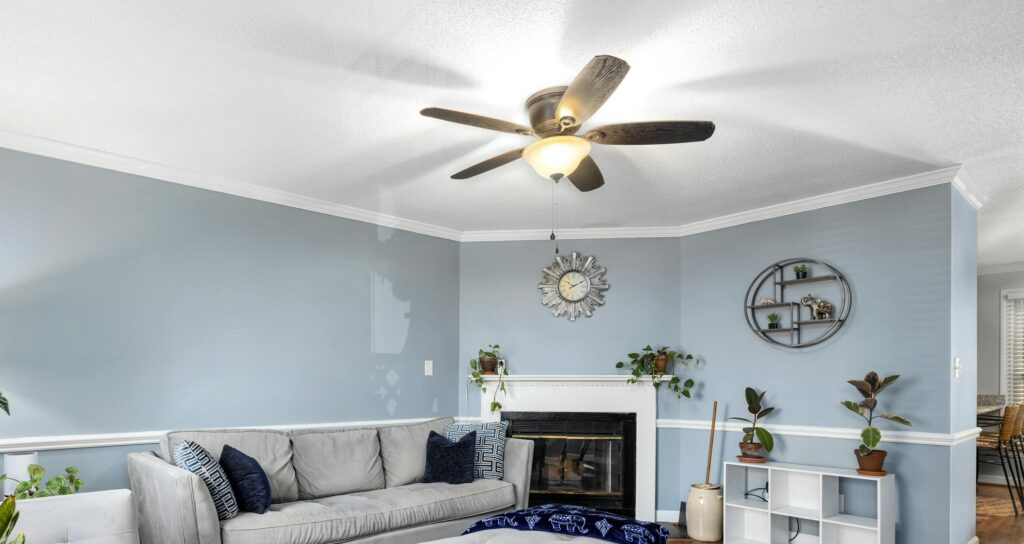
The correct summer ceiling fan direction is counterclockwise when you stand beneath it and look up at the spinning blades. Counterclockwise rotation drives air straight down into the room, and that downward column of air is what creates the cooling breeze you feel on your arms and face. When the fan spins the wrong way and turns clockwise, it draws air upward and spreads warm air along the ceiling instead. You will still see motion and hear the motor, yet the cooling sensation disappears almost completely. Many homeowners blame the fan, the wiring, or even the air conditioner when the only real issue is a backward spin. A quick glance from directly below tells you everything you need to know about the current direction. If the leading edge of each blade rises as it passes and the air does not reach you, the fan is set for winter and needs to be reversed.
The reason direction matters so much comes down to basic airflow and the way your body sheds heat. Moving air across your skin speeds up evaporation, and that evaporation is what pulls warmth away and makes you feel cooler. A fan does not actually lower the temperature of the room; it changes how the air feels against you. So a fan spinning the wrong way wastes its entire purpose because the breeze never reaches the people in the space. This is also why an empty room with a running fan saves nothing and only adds to your power use. Setting the blades to counterclockwise restores that direct downdraft and brings the comfort back instantly. Once the direction is right, you can usually raise the thermostat a few degrees and still feel just as comfortable.
Seasonal habits explain why so many fans end up reversed by the time June arrives in McLoud and the surrounding towns. During colder months, the smart move is to run the fan clockwise on a low speed to gently push warm air down from the ceiling. Families set that winter direction, enjoy the warmth, and then never think about the switch again as spring turns to summer. Months pass, the calendar flips, and the fan keeps quietly running in winter mode through the hottest days of the year. Because the blades still spin, nothing seems broken, so the wrong direction goes unnoticed. A simple seasonal check every spring and fall keeps your fans working with you rather than against you. Building that habit takes seconds and saves real money over a long Oklahoma cooling season.
How a Reversed Switch Makes Ceiling Fans Spin the Wrong Way
Most ceiling fans carry a small direction switch on the side of the motor housing, and that little toggle controls everything. The switch usually sits just below the blades on the metal body of the fan, and it slides either up or down. One position sets the blades counterclockwise for summer, and the other sets them clockwise for winter. When that toggle gets bumped, flipped, or left in the wrong spot, the fan spins backward for the season you are in. People often move it by accident while cleaning the blades or replacing a light bulb in the fixture. Because the switch is small and easy to overlook, a single misplaced toggle can run all summer without anyone noticing.
The position of the switch determines the entire airflow pattern, so even a tiny change creates a big comfort difference. A fan in winter mode pushes air up and out toward the walls, which feels like nothing on a hot afternoon. A fan in summer mode sends air straight down in a steady stream you can feel from across the room. The motor does not change its effort or its speed when the switch flips; only the rotation direction reverses. That means a backward fan uses the same electricity yet delivers no cooling benefit at all. Checking the switch position takes only a moment once you know exactly where to look on the housing. If your fan feels weak this summer, the toggle is the very first thing to inspect before you assume anything is wrong.
Some newer fans hide this control inside a remote or a wall mounted panel rather than on the motor body. These models replace the physical toggle with a button or a setting in an app, which makes the direction easy to change without a ladder. The tradeoff is that a dead battery, a factory reset, or a firmware update can scramble the setting in the background. A smart fan that loses power during a summer storm may return in the wrong direction once electricity is restored. Homeowners then assume the fan is broken when the real culprit is a reset direction setting. If you cannot find a toggle on the housing, check the remote and any connected app for a reverse option. Want a smart fan or upgraded model installed correctly the first time? Click here for our ceiling fan installation service.
Why Wrong Way Ceiling Fans Waste Energy in Summer
A ceiling fan spinning the wrong way in summer drains money because it forces your air conditioner to carry the full cooling load alone. A properly set fan lets you feel comfortable at a higher thermostat setting, which means the compressor runs less often. When the fan fails to deliver a downdraft, you do not feel that breeze, so you lower the thermostat to compensate. That lower setting makes the air conditioner work harder and run longer through the hottest part of the day. Over a long Oklahoma summer, those extra cooling hours add up to noticeably higher utility bills. The fan itself still draws power the entire time, so you pay for a device that gives you nothing back.
The wind chill effect is the part you lose when the blades turn the wrong way, and that effect is the whole point of running a fan. A correctly set fan can make a room feel several degrees cooler without changing the actual temperature one bit. That perceived drop lets many homeowners raise the thermostat by three or four degrees and still stay comfortable. Raising the thermostat even a few degrees can trim a meaningful chunk off a monthly summer bill. A backward fan erases all of that potential savings because the cooling sensation never reaches you. So the wrong direction does not just feel weak; it actively costs you on every billing cycle. Fixing the spin restores those savings at no cost beyond a few seconds of effort.
Energy waste from a reversed fan also stacks up across a whole house when several fans run in winter mode all summer. A home with three or four fans set the wrong way multiplies the lost comfort and the wasted electricity in every room. Each fan keeps spinning, keeps drawing power, and keeps failing to cool the people inside. Families often respond by adding portable units or pushing the central system harder, which only increases the strain and the expense. A simple walkthrough to check every fan direction can pay for itself quickly during peak cooling months. Pairing correct fan direction with efficient lighting and smart cooling habits stretches every dollar further. Looking to brighten and cool your home efficiently this season? Click here for our interior lighting installation service.
How to Fix Ceiling Fans That Spin the Wrong Way for Summer
Fixing ceiling fans that spin the wrong way for summer usually takes less time than it took to notice the problem. In most homes the entire repair comes down to flipping one switch and watching the blades reverse their rotation. Newer fans may need a button press on a remote or a quick change inside a connected app instead. A small number of cases point to a wiring or motor issue that calls for a trained electrician. Knowing which path fits your fan saves you time and keeps you safe on the ladder. The sections below walk through each method so you can match the fix to the type of fan hanging in your room.
How to Flip the Switch on Ceiling Fans That Spin the Wrong Way
Flipping the switch on a ceiling fan that spins the wrong way starts with turning the fan off and letting the blades come to a complete stop. Never reach toward a moving fan, because spinning blades can injure your hand and damage the motor balance. Once the blades are still, set up a sturdy step stool or ladder on level ground so you can reach the motor housing safely. Look along the side of the housing for a small toggle switch, which usually sits just beneath the blades. Note the current position of that switch before you move it so you have a clear reference point. This simple prep work makes the actual fix quick and removes any guesswork once you are up on the ladder.
With the fan off and the switch located, slide the toggle to its opposite position to reverse the blade direction. The switch typically moves up or down, and either end sets one of the two seasonal directions. After you move it, climb down, restore power, and turn the fan back on at a medium speed to test the change. Stand directly underneath the fan and feel for a steady stream of air pushing down toward you. If you feel that downward breeze, the fan is now set correctly for summer and the job is done. If the air still drifts upward, return to the ladder and confirm the toggle clicked fully into place.
Testing the result matters because a half seated switch can leave the fan in a neutral or unchanged state. Run the fan for a minute and pay attention to how the air feels on your skin from below. A correct summer setting delivers a clear, cooling downdraft you can feel without straining to notice it. Repeat this same check on every fan in the home so no room gets left in winter mode by mistake. Make this quick test part of your spring routine each year as the Oklahoma heat returns. A few minutes spent now keeps every fan working with your air conditioner all season long.
How to Fix Ceiling Fans That Spin the Wrong Way With a Remote
Fixing ceiling fans that spin the wrong way with a remote skips the ladder entirely on many newer models. These fans replace the physical toggle with a reverse button on the handheld remote or a setting inside a smartphone app. Start by checking the remote for a button labeled reverse, direction, or a small icon showing a curved arrow. Point the remote at the fan, press that button once, and watch the blades slow, stop, and begin spinning the other way. The whole change often happens in just a few seconds without any climbing or tools. This convenience is one of the main reasons homeowners choose remote controlled and smart fans in the first place.
If the remote does not respond, a dead or weak battery is the most common reason the direction will not change. Replace the batteries with fresh ones, then try the reverse button again while standing in clear view of the fan. Some remotes also need a moment to sync back up with the motor after a battery swap. For app controlled fans, open the connected app and look for a direction or seasonal mode setting in the menu. Switch that setting from winter to summer and confirm the blades reverse as expected. A quick battery check and a settings review solve the majority of remote related direction problems.
Smart fans can sometimes lose their direction setting after a power outage or a software update, which is common during stormy Oklahoma summers. When that happens, the fan may restart in the wrong direction even though nothing is physically broken. Open the app or grab the remote and simply set the summer direction again to clear the issue. If the setting keeps reverting on its own, the fan may have a control board fault that needs a professional eye. Persistent direction problems on a smart fan are worth a closer inspection rather than a repeated reset. A trained electrician can test the control module and confirm the wiring behind the smart features is sound.
How to Fix Wiring on Ceiling Fans That Spin the Wrong Way
Fixing wiring on ceiling fans that spin the wrong way moves beyond the simple toggle and into territory best handled by a licensed electrician. In rare cases a fan reversed at the motor leads back to a wiring error made during a past installation. Reversed or loose connections at the fan or the switch can cause erratic behavior that no toggle will correct. Signs of a deeper issue include a fan that hums without spinning, runs only on certain speeds, or trips a breaker. These symptoms point to electrical faults rather than a seasonal setting, and they call for careful diagnosis. Trying to chase these problems yourself can expose you to shock, fire risk, and further damage to the fan.
A proper wiring fix begins with cutting power at the breaker, not just at the wall switch, before any panel on the fan is opened. An electrician then inspects the connections inside the canopy, the switch housing, and the ceiling box for faults. Loose wire nuts, reversed leads, and worn insulation all show up during this kind of hands on inspection. The motor capacitor, which helps control speed and direction, can also fail and create strange spinning behavior. A trained pro can test each component and replace only what actually needs replacing. This methodical approach fixes the real cause instead of masking a symptom that returns weeks later.
Older homes around McLoud, Shawnee, and the wider Oklahoma City area sometimes hide outdated wiring behind otherwise working fixtures. A fan mounted to an aging ceiling box may reveal brittle wires or an ungrounded connection once the canopy comes down. Correcting these conditions protects the fan and the entire circuit it shares with other devices. An electrician can also confirm the ceiling box is rated to support the weight and motion of a spinning fan. That structural check prevents a far more dangerous problem than a backward spin. Need an expert to inspect a fan that acts up beyond a simple direction switch? Click here for our ceiling fan installation and repair service.
Why You Need a Professional to Fix Ceiling Fans for Summer
A professional electrician turns a frustrating ceiling fan problem into a fast, safe, and lasting fix for the summer. Some direction issues take only a flipped switch, yet others hide wiring faults that demand trained eyes and proper tools. Guessing on the ladder wastes time and can put you within reach of live electrical connections. A licensed pro diagnoses the true cause, corrects it the right way, and confirms the fan runs safely afterward. That peace of mind matters most during the hottest stretch of an Oklahoma summer when comfort counts. The sections below explain the real value of professional service and why local homeowners trust our team.
Why Professional Ceiling Fan Service Helps in Summer
Professional ceiling fan service helps in summer because a trained electrician sees problems that an untrained eye easily misses. A pro checks the direction setting, the motor, the capacitor, and the wiring all in one visit. That complete view catches the small toggle issue and the hidden fault at the same time. You avoid the frustration of fixing one symptom only to watch another appear a week later. A single thorough service call often solves the entire problem in less time than repeated guesswork. The result is a fan that cools you reliably through the rest of the cooling season.
Speed matters during a hot Oklahoma summer, and a professional brings the tools and experience to work quickly. Instead of climbing up and down testing one idea at a time, an electrician follows a proven process. That process narrows the cause fast and points straight to the right repair. You stay off the ladder, away from live wires, and out of the heat while the work gets done. The time you save adds up, especially when several fans across the house need attention. A focused service visit gets every room back to comfortable airflow in one trip.
Professional service also protects the value and lifespan of the fans already in your home. Correcting wiring faults and balancing a wobbly fan prevents premature motor wear and noisy operation. A pro can spot a failing capacitor or a strained mount before it becomes a costly breakdown. That early catch keeps a minor service call from turning into a full replacement later. Regular professional attention helps your fans run smoothly for many summers to come. The small cost of expert service pays off through lower repair bills and dependable cooling.
Why Safe Ceiling Fan Repair Matters for Summer
Safe ceiling fan repair matters for summer because electrical work always carries real risk when it is rushed or guessed. A fan connects to household wiring, and any contact with live conductors can cause a serious shock. Power must be cut at the breaker, not just the wall switch, before any internal work begins. A licensed electrician follows these safety steps every time without cutting corners. That discipline protects you, your home, and everyone inside it during the repair. Comfort is never worth a dangerous shortcut on a hot afternoon.
Beyond shock risk, a poorly mounted or miswired fan creates hazards that build quietly over time. A loose connection can overheat and become a fire risk inside the ceiling where you cannot see it. A fan attached to an unrated box can loosen and fall as the blades spin and vibrate. A professional confirms the mount, the box, and the wiring all meet code before the job is finished. That verification gives you confidence that the fan is safe long after the electrician leaves. Safety done right today prevents emergencies down the road.
Choosing professional repair also keeps your work in line with local electrical codes and warranty requirements. Many fan warranties require correct installation and repair to stay valid, and a pro keeps that protection intact. An electrician documents the work and ensures every connection meets the standard for your area. That care matters if you ever sell the home or file a warranty claim later. Cutting corners can void coverage and leave you paying full price for future problems. Safe, code compliant repair protects both your family and your investment.
Why Choose 24/7 Electrical Services and Repairs for Ceiling Fan Help
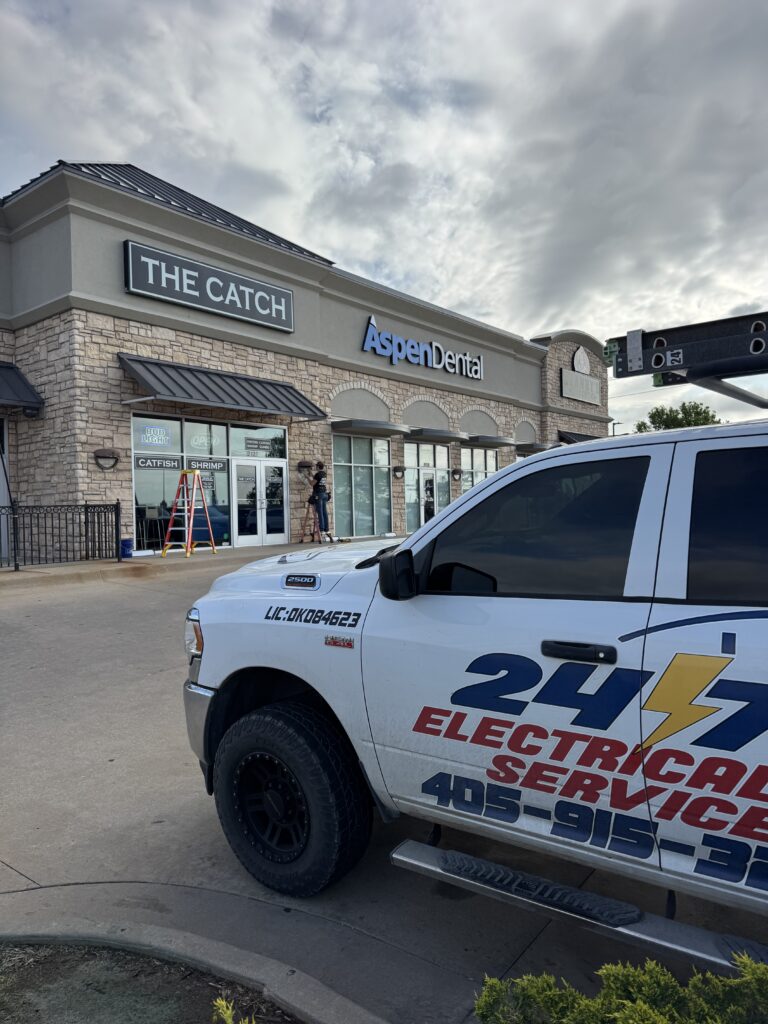
Homeowners across McLoud and the greater Oklahoma City area choose 24/7 Electrical Services and Repairs because we treat every fan call with honest care. We are a locally owned and family operated electrical company that knows the homes and the summers in this region. As a licensed Oklahoma electrician, license number 084623, we back our work with real credentials and real accountability. We offer free local estimates with honest, upfront pricing, so you know the cost before we begin. Our team shows up ready to fix the problem right the first time. That straightforward approach is why neighbors keep calling us back.
We bring more than ceiling fan know how to every visit, because we handle the full range of home electrical needs. We are panel upgrade and Generac generator specialists, and we provide 24/7 emergency electrical service when you need it most. Our work comes backed by a one year labor warranty and a three year panel warranty for added confidence. That coverage shows how seriously we stand behind everything we do. When a fan problem turns out to be a wiring issue, we are ready to handle it safely. You get one trusted team for the small fixes and the big upgrades alike.
Getting your ceiling fans spinning the right way for summer is quick when you call the right local pros. We make scheduling easy and arrive on time, ready to diagnose and fix the problem fast. Our honest pricing and friendly service take the stress out of summer electrical headaches. From a flipped switch to a full repair, we deliver comfort you can count on through the heat. Ready to get every fan in your home cooling the way it should this summer? Call 24/7 Electrical Services and Repairs today at (405) 915-3280 for fast, friendly, and licensed help.