
The Homeowners Guide to Safe Outdoor Lighting for Summer Backyard Parties
Summer evenings in Oklahoma invite friends into the backyard long after the sun drops behind the horizon. Good outdoor lighting turns a plain patio into a welcoming space where people gather, eat, and relax well into the night. The wrong setup, however, brings real danger; water, heat, and overloaded circuits do not mix well with electricity. Many homeowners string up lights and plug in decorations without checking how much load their outlets can actually handle. A few smart choices protect your guests, your property, and your wallet from an avoidable accident. This guide walks through fixture selection, safe power sources, and the moments when a licensed electrician should step in. You will learn which products carry the right safety ratings and how to keep cords clear of pools, sprinklers, and damp grass. By the end, your next backyard party will glow bright while staying firmly within safe electrical limits.
How to Choose Safe Outdoor Lighting for Your Summer Backyard Party
Choosing the right products is the first step toward safe outdoor lighting that lasts all summer. Indoor fixtures and standard bulbs are not built to survive rain, humidity, or the heavy dew common on Oklahoma mornings. Outdoor rated equipment carries seals and markings that tell you exactly where each piece belongs. A fixture made for a covered porch behaves differently than one bolted to an open fence post. Bulb type also matters because heat output affects both safety and your monthly energy bill. Load planning rounds out the picture, since even safe fixtures cause trouble when too many share one circuit. Take a little time before the party to map out what you plan to plug in and where. The three sections below break down fixtures, bulbs, and circuit load so your lighting plan holds up under real use.
Picking Weather Rated Fixtures for Safe Outdoor Lighting
Every outdoor fixture should carry a rating that matches its exact spot in your yard. Look for a UL listing marked for either damp or wet locations, since these two ratings are not the same. A damp location rating fits spots shielded from direct rain, such as a covered patio or a soffit under an eave. A wet location rating is required anywhere rain, sprinklers, or splashing water can reach the fixture directly. Installing a damp rated light in an exposed area invites moisture into the housing, which corrodes contacts and trips breakers. The markings usually appear on the fixture label or inside the product packaging, so check before you buy. Reputable brands print these ratings clearly because they know inspectors and electricians look for them. When the label is missing or vague, treat that product as unsafe for permanent outdoor use.
Material quality separates fixtures that last years from ones that fail after a single humid season. Aluminum, brass, and quality stainless steel resist rust far better than cheap painted metal. Gaskets and sealed lenses keep water out of the bulb chamber where it could cause a short. Mounting hardware should also resist corrosion, since a rusted screw can drop a fixture onto your patio. Check that any glass is tempered, because regular glass can crack from the heat difference between a hot bulb and cool rain. Pay attention to the cord and plug on portable fixtures, looking for thick outdoor rated insulation. Spending a little more upfront on solid materials saves you from replacing failed lights mid summer. Quality fixtures also hold their finish, so your backyard keeps looking sharp party after party.
Placement turns a good fixture into a safe one, so think through each mounting spot. Keep fixtures clear of grills, fire pits, and any source of open flame or extreme heat. Mount lights high enough that guests cannot bump them or hang bags and decorations on them. Avoid placing fixtures where a hose, sprinkler, or roof runoff will spray them directly during a storm. Leave room around recessed and enclosed fixtures so trapped heat can escape instead of building up. Our team handles tricky placements every day, and our outdoor lighting installation service makes sure each fixture sits in the right spot. A thoughtful layout looks better and dramatically lowers the odds of an electrical problem during your gathering.
Matching Bulb Types to Safe Outdoor Lighting Needs
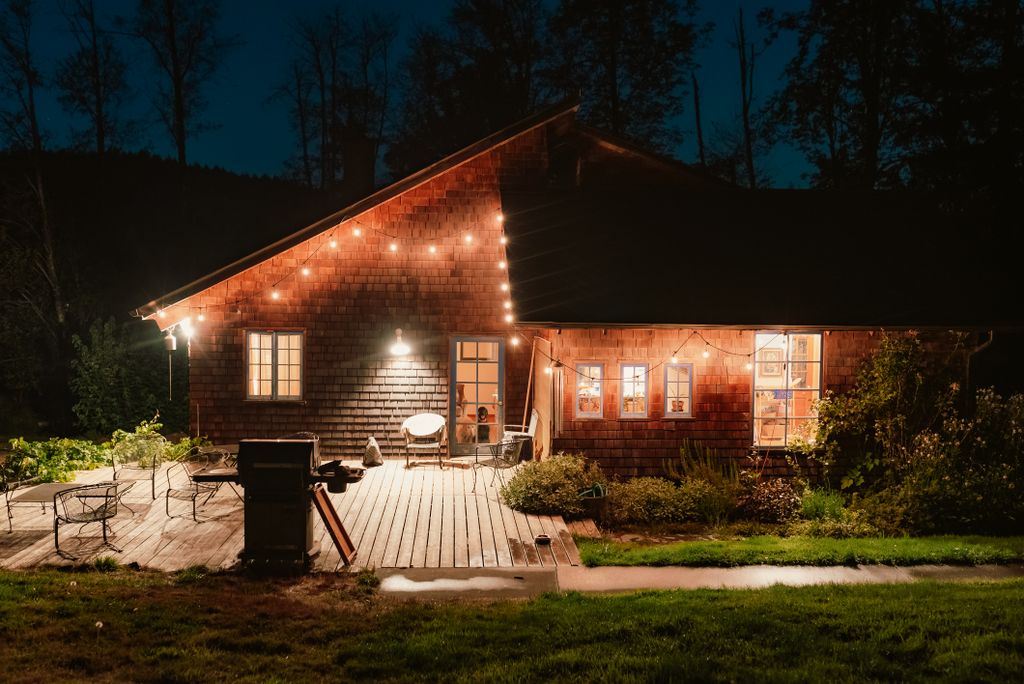
The bulb you choose affects heat, brightness, energy use, and how often you climb a ladder to replace it. LED bulbs lead every category for outdoor use because they run cool and sip very little power. A cool running bulb lowers the fire risk near wood, fabric, and dry summer landscaping. Older incandescent and halogen bulbs throw off serious heat that can crack lenses or scorch nearby surfaces. LEDs also last many times longer, which matters when a fixture sits high on a wall or tree. Lower wattage draw means you can run more lights on a single circuit without tripping a breaker. Most LED bulbs now come in warm tones that flatter a backyard better than the harsh blue light of early models. For a party space, a warm white in the range of 2700 to 3000 kelvin creates an inviting glow.
Match the bulb base and shape to what the fixture was designed to hold. Forcing an oversized bulb into a tight housing traps heat and stresses the socket. Check the maximum wattage printed near the socket and never exceed it, even with cooler LEDs. Enclosed fixtures need bulbs rated as enclosure safe, since trapped heat shortens the life of standard LEDs. Dimmable lights require dimmer rated bulbs, or you will hear buzzing and see flicker. Pay attention to the lumen rating rather than the old wattage habit when judging brightness. A quick read of the bulb package prevents most of these simple mismatches.
String lights and decorative bulbs deserve the same care as permanent fixtures. Buy string lights labeled for outdoor use, with shatter resistant bulbs and weatherproof sockets. Check how many strands the manufacturer allows you to connect end to end, since exceeding that limit overheats the wire. Shatter resistant LED string lights stay cool and survive bumps from guests and gusts of wind. Replace any strand with cracked bulbs, frayed wire, or a damaged plug before you hang it. Hang lights from hooks rather than nails or staples, which can pierce the insulation and create a short. A tidy run of quality string lights gives your party that festive look without adding hidden hazards.
Planning Circuit Load for Safe Outdoor Lighting
Every outlet connects to a circuit, and every circuit has a firm limit on how much it can carry. Most household circuits are rated for 15 or 20 amps, which translates to a set number of watts. A 15 amp circuit safely handles about 1440 watts under continuous use, leaving headroom below its absolute ceiling. Add up the wattage of every light, speaker, and appliance you plan to run from the same outlet. Lighting often shares a circuit with garage outlets or other exterior receptacles you might forget about. When the total creeps toward the limit, the breaker trips and your party goes dark at the worst moment. Worse, an overloaded circuit that does not trip can overheat the wiring behind your walls. Spreading your load across several circuits keeps everything running cool and steady all night.
Caterers and party hosts often bring heavy draw items that surprise a home electrical system. Warming trays, blenders, coffee makers, and portable speakers all pull meaningful power. These appliances paired with a full lighting display can push a single circuit past its safe point. Plan ahead by knowing which outlets feed which breakers in your panel. Label your breaker panel if it is not already marked, so you can find the right switch fast. If your home struggles to handle modern demand, a dedicated circuit or panel upgrade may be the real fix. An electrician can measure your actual load and tell you exactly where you stand.
Extension cords and power strips do not raise a circuit’s limit; they only extend its reach. Daisy chaining strips and cords is a common cause of summer electrical fires. Plug high draw devices straight into wall outlets rather than through a long chain of cords. If you constantly reach for extension cords outdoors, that signals a shortage of properly placed exterior outlets. Adding weatherproof outlets in the right spots removes the clutter and the risk at the same time. Our electricians can install code compliant exterior receptacles so your lighting and equipment have safe, dedicated power. A short planning session before guests arrive prevents the scramble of tripped breakers later.
How to Power Outdoor Lighting Safely for a Summer Backyard Party
Picking great fixtures means little if the power feeding them is unsafe. Outdoor electricity faces threats that indoor wiring rarely sees, from rain and dew to bare feet on wet grass. The right protective devices and the right cords stand between your guests and a serious shock. Ground fault protection, outdoor rated cords, and smart placement form the core of safe outdoor power. Each one addresses a different way that water and electricity try to meet where they should not. Skipping any single layer leaves a gap that a wet summer evening can exploit. The sections below explain how to build all three layers into your party setup. Get these basics right, and you can light the whole yard with confidence.
Using GFCI Protection for Outdoor Lighting Power
A ground fault circuit interrupter, or GFCI, is the single most important safety device for outdoor power. It watches the flow of electricity and cuts power in a fraction of a second when it senses a leak. That leak often means current is traveling through water or through a person, which is exactly the danger you want stopped. Electrical code requires GFCI protection on all outdoor receptacles for good reason. A standard outlet keeps delivering power even as electricity escapes into a wet hand or puddle. A GFCI shuts that path down before the current can cause a deadly shock. Older homes often lack this protection on exterior outlets, leaving guests exposed without anyone realizing it. Adding GFCI protection is one of the highest value safety upgrades a homeowner can make.
You can find GFCI protection in two main forms around the home. A GFCI outlet has the familiar test and reset buttons built right into its face. A GFCI breaker sits in your electrical panel and protects every outlet on that circuit at once. Either option satisfies code, though the right choice depends on your wiring and your goals. Test each GFCI device monthly by pressing the test button and confirming the power cuts off. A device that fails to trip during testing has reached the end of its life and needs replacement. Pushing the reset button restores power once the test confirms the device still works.
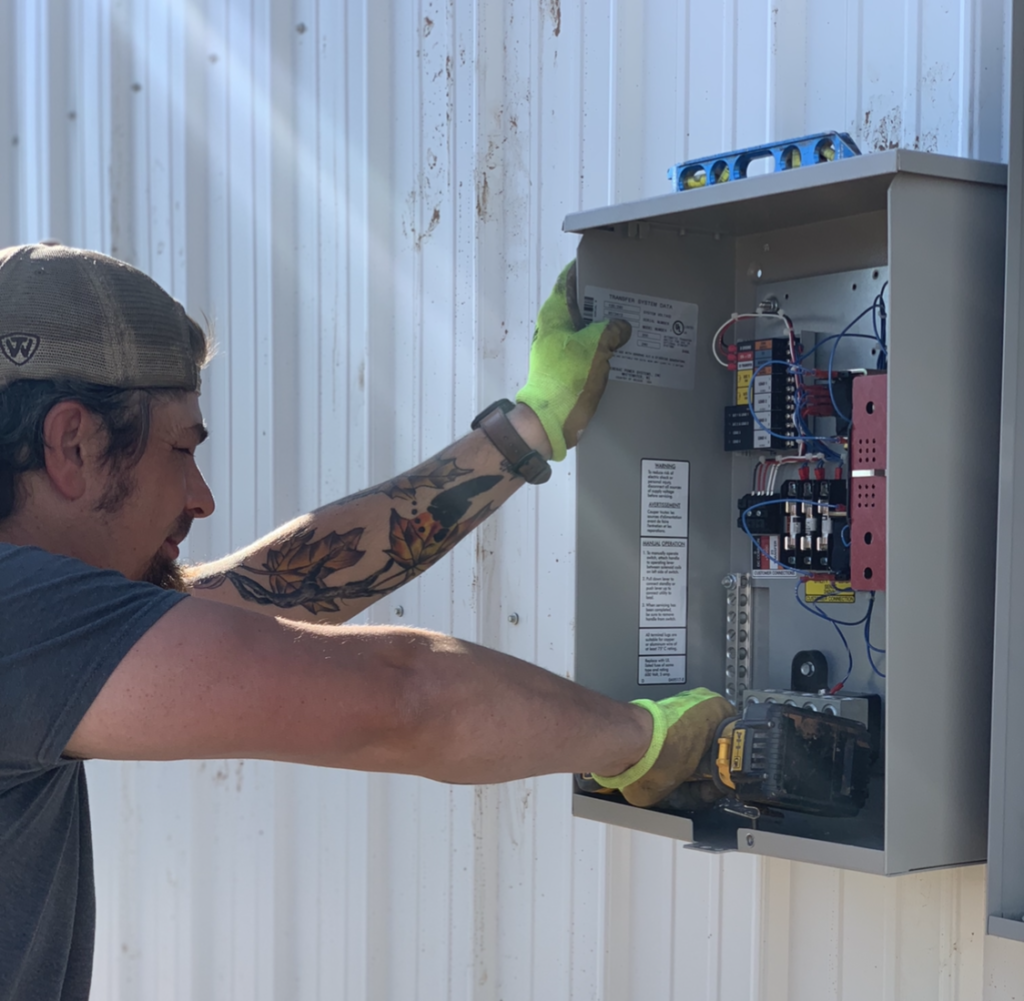
Many older Oklahoma homes were built before GFCI rules covered every outdoor outlet. If your exterior receptacles lack test and reset buttons, they likely offer no ground fault protection at all. Hosting a party around an unprotected outlet near a pool or hot tub is a serious gamble. Our team upgrades outdated outlets quickly, and our GFCI outlet installation service brings your exterior power up to current code. We can also protect existing circuits at the panel when individual outlet swaps are not practical. This single upgrade protects every guest who plugs in a phone charger, a speaker, or a string of lights. Peace of mind like that is well worth the short visit it takes to install.
Choosing Outdoor Rated Cords for Outdoor Lighting Power
Extension cords carry power to spots your fixed outlets cannot reach, so the right cord matters. Indoor cords are thin, lightly insulated, and never meant to face moisture or sunlight. Outdoor rated cords carry a W marking and use thick jackets built to resist water, heat, and abrasion. The gauge of the wire matters as much as the rating, since thinner wire overheats under heavy load. A lower gauge number means thicker wire, so a 12 gauge cord carries more safely than a 16 gauge one. Match the cord gauge and length to the load you plan to run through it. Long thin cords lose voltage and run hot, which dims your lights and stresses the wire. When in doubt, choose a heavier cord than you think you need.
How you route a cord is as important as the cord you choose. Keep cords out of standing water and away from sprinkler zones and low spots that collect rain. Do not run cords across walkways where guests can trip or where furniture can pinch them. Avoid pinning cords under rugs or doormats, since trapped heat has nowhere to go. Never staple or nail a cord in place, because the fastener can slice into the insulation. Unplug and store cords once the party ends rather than leaving them exposed to the weather. A cord left outside for weeks degrades fast and becomes a hidden hazard.
Extension cords are a temporary fix, not a permanent wiring solution. A cord that lives outdoors all summer signals that you need more outlets where you actually use power. Permanent exterior outlets sit safely in weatherproof boxes with spring loaded covers. These in use covers shield the plug even while a cord is connected and rain is falling. Adding a few well placed outlets removes the tangle of cords snaking across your yard. It also frees you from hunting for the one outlet that reaches the far corner of the patio. A licensed electrician can add these outlets in an afternoon and leave your yard cleaner and safer.
Keeping Outdoor Lighting Power Away From Water
Water and electricity create the most common and most dangerous outdoor hazard. Pools, hot tubs, ponds, and even a heavy summer rain all raise the stakes near any powered device. Electrical code sets strict clearance rules for outlets and fixtures around pools and spas. Receptacles must sit a set distance from the water’s edge, and lighting near water needs special low voltage ratings. These rules exist because water carries current straight to anyone standing in or near it. A toppled lamp or a dropped string of lights into a pool can turn deadly in an instant. Keep all standard powered devices well back from the water and out of splash range. Where you do need light near a pool, only properly rated and installed fixtures belong there.
Pool and hot tub wiring is a specialized job with little room for error. Bonding and grounding around water features must follow exact code requirements to keep swimmers safe. Low voltage landscape lighting offers a safer way to brighten paths and garden beds. These systems run on a transformer that drops household voltage down to a gentle level. Even so, the transformer and its connections still need correct installation to stay safe. We handle pool wiring and hot tub wiring to the letter of the code, so your water features stay enjoyable and safe. Skipping the rules around water is one risk no homeowner should ever take.
Rain can arrive fast on an Oklahoma summer evening, so plan for sudden weather. Have a simple plan to unplug and bring in portable lights and cords when a storm rolls in. Permanent fixtures with proper wet location ratings can stay put through normal rain. Portable gear, string lights, and extension cords should come inside before a downpour. Never touch a plug or switch with wet hands or while standing in water. If an outlet or fixture gets soaked and the breaker trips, leave it off until it dries and gets checked. A quick weather plan keeps a fun night from turning into an emergency.
Why You Need a Licensed Electrician for Outdoor Lighting Installation
Some outdoor lighting projects fit a confident homeowner, but many cross into work that demands a licensed professional. New circuits, panel changes, wiring near water, and permanent fixtures all fall under electrical code and often require permits. A licensed electrician knows those codes, pulls the right permits, and stands behind the work. The cost of a professional install is small next to the cost of a fire, a failed inspection, or an injured guest. Good lighting also adds lasting value and curb appeal that a rushed do it yourself job rarely matches. When the project grows beyond plugging in a string of lights, calling a pro is the smart move.
Professional Outdoor Lighting Installation Saves Time
A professional crew turns a weekend of frustration into a finished project in a fraction of the time. We arrive with the right tools, the right parts, and years of experience reading each yard. There is no second trip to the store for the connector you did not know you needed. We plan the layout, run the wiring, and test every fixture before we leave. You skip the ladder time, the trial and error, and the guesswork about code. That saved time lets you focus on planning the party instead of fighting the wiring.
Experience also means we spot problems before they become expensive surprises. We notice an overloaded panel, a corroded connection, or a circuit already pushed near its limit. Catching those issues early prevents a tripped breaker in the middle of your event. We size the wiring and breakers correctly the first time, so nothing runs hot. A clean, correct install needs far less maintenance down the road. That reliability means your lighting works the same on its hundredth night as it did on its first.
Permits and inspections feel like a hassle, but they protect your home and your investment. We handle the paperwork and schedule inspections so you never have to chase city offices. Permitted work also protects you when you sell the home or file an insurance claim. Unpermitted electrical work can void coverage and create headaches at closing. We make sure every job meets local code and passes inspection without drama. That clean record follows the home and adds real value over time.
Professional Outdoor Lighting Installation Protects Your Home
Faulty outdoor wiring is a leading cause of preventable home electrical fires. Moisture, pests, and sun all attack outdoor connections that were not sealed correctly. We use the proper boxes, gaskets, and wire rated for direct burial and wet exposure. Connections get sealed and protected so water cannot creep in and cause a short. Buried wire goes to the correct depth in proper conduit where the code requires it. These details keep a small fault from growing into a dangerous fire.
Proper grounding and bonding protect both your family and your equipment. A correctly grounded system gives stray current a safe path away from people. We verify grounding on every fixture and outlet we install outdoors. Pairing this with whole house surge protection shields your electronics from storm spikes. Summer storms bring lightning that can fry unprotected devices in an instant. A layered defense keeps your lights, your appliances, and your guests safe.
Quality outdoor lighting raises the value and the safety of your property at once. Bright, well placed lights deter intruders and prevent trips and falls on dark steps. A professional install looks intentional, with hidden wiring and balanced spacing. That polished look improves curb appeal far more than a tangle of cords ever could. Buyers notice and trust a home with clean, code compliant electrical work. The investment pays you back in safety, beauty, and resale value.
Why Choose 24/7 Electrical Services for Outdoor Lighting Installation
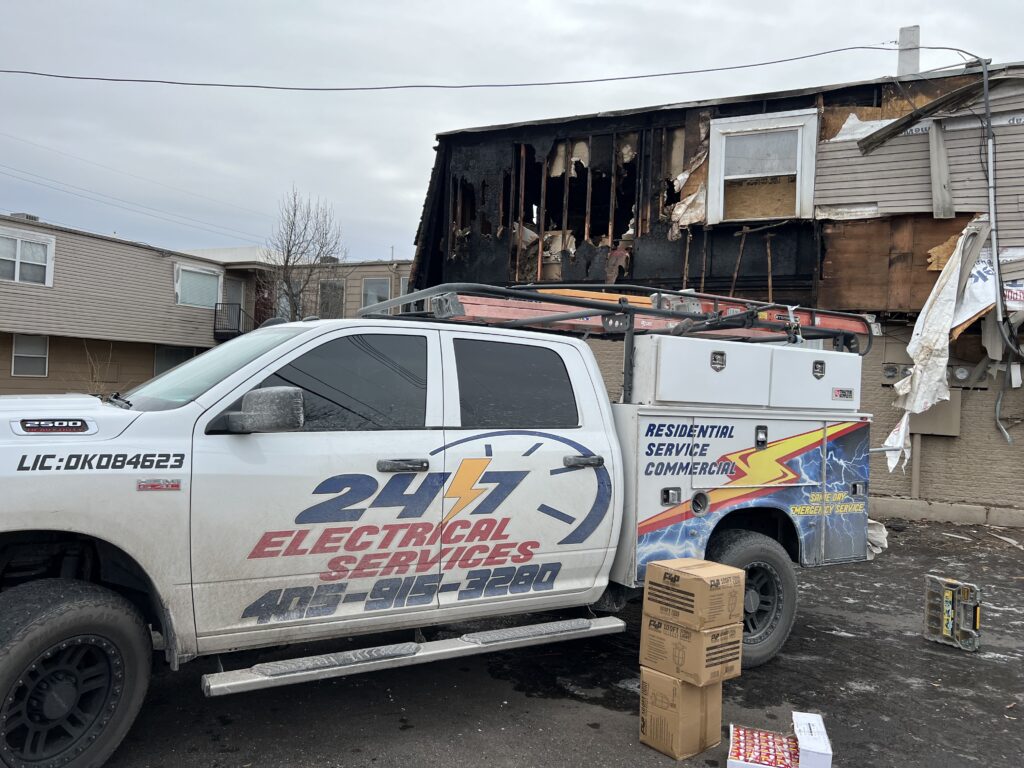
We are a locally owned, family operated electrical company that serves the McLoud and Oklahoma City area. Our work carries Oklahoma electrical license number 084623, so you know every job meets state standards. We offer free local estimates with honest, upfront pricing and no hidden fees. There are no surprises on the final bill, just the number we quoted at the start. Our reputation rests on doing careful, code compliant work that lasts. That ethos guides every outdoor lighting project we take on.
We back our work with a one year labor warranty and a three year panel warranty. That coverage shows the confidence we place in our own craftsmanship. As panel upgrade and Generac generator specialists, we handle the heavy electrical work many companies avoid. If your party plans reveal that your panel cannot keep up, we can fix the root cause. We treat your home with the same care we would give our own. Quality, safety, and straight talk define how we operate.
Summer parties run late, and electrical surprises do not wait for business hours. We offer 24/7 emergency electrical service, so help is always a phone call away. If a breaker trips or an outlet fails mid party, our emergency electrician team can respond fast. Ready to light up your backyard the safe way? Click here for our outdoor lighting installation service and let us design a setup built for summer. We are happy to answer questions, walk your yard, and provide a free estimate before you commit. Call 24/7 Electrical Services and Repairs today at (405) 915-3280 to book your outdoor lighting project.