
How to Wire Your Hot Tub the Right Way Before Soaking Season
Summer in Oklahoma brings warm evenings that practically beg for a soak under the stars, and a new hot tub turns your backyard into a private retreat. Before you fill that tub and flip the power on, the wiring underneath it has to be done correctly and safely. A hot tub is not a simple plug and play appliance; it draws a large, steady load and sits right next to water, which makes the electrical work both demanding and unforgiving of shortcuts. Done right, the wiring protects your family, keeps your warranty valid, and lets the spa run for years without nuisance trips or overheating. Done wrong, it can cause shock hazards, burned connections, and a failed inspection that delays your first soak. This guide walks through what a proper hot tub circuit includes, the mistakes that trip up homeowners every season, and why this is a job that belongs in the hands of a licensed electrician. If you want your spa ready before the long days of summer slip away, the foundation starts with the wire feeding it. Read on to learn how the pros set up a hot tub circuit that passes inspection the first time.
What You Need to Wire a Hot Tub the Right Way
Wiring a hot tub correctly means meeting several requirements at once, not just running a single cable to the spa. Most modern hot tubs need a dedicated 240 volt circuit, ground fault protection, a proper disconnect, and a bonding system that ties metal parts together. The National Electrical Code devotes an entire article, Article 680, to spas and hot tubs because the combination of water and high amperage demands extra layers of safety. Skipping any one of these pieces leaves the installation incomplete and unsafe, even if the tub appears to power on fine. The exact amperage, wire size, and breaker rating come straight from the manufacturer label on your specific model. A good electrician reads that label first, then designs the circuit around it. The sections below break down the core parts every compliant hot tub circuit must include.
The Dedicated Circuit Needed to Wire a Hot Tub the Right Way
A hot tub pulls a heavy and continuous load when the heater and pumps run together, which is why it requires its own dedicated circuit rather than sharing one with other outlets or appliances. Most plug in spas run on 120 volts, but nearly every built in or larger hot tub runs on a dedicated 240 volt circuit sized at 50 or 60 amps. The wire feeding that circuit has to match the breaker, so a 50 amp circuit typically uses 6 gauge copper conductors while a 60 amp circuit steps up to 4 gauge copper. Undersized wire on a high draw load is one of the most dangerous mistakes possible because it overheats inside walls and conduit where you cannot see it. The circuit also needs the correct number of conductors, including two hot legs, a neutral when the spa controls call for it, and a separate equipment grounding conductor. The conductors must be rated for the environment they pass through, which often means wet location rated wire and the right conduit for any outdoor or underground run. Every connection point, from the panel to the disconnect to the spa pack, must be torqued and terminated properly to prevent loose joints. This is the backbone of the whole installation, and getting it right keeps the rest of the system reliable.
The route the circuit takes from your main panel to the hot tub matters just as much as the wire size itself. Indoor runs through finished walls follow different rules than outdoor runs buried in the yard, and each path has its own depth, conduit, and protection requirements. Underground conductors generally need to sit at a minimum burial depth set by code, and they usually run inside conduit such as PVC or rigid metal to guard against damage from shovels, roots, and shifting soil. Where the wire transitions from underground to above ground at the spa, it needs proper conduit support and weatherproof fittings to keep moisture out. If the existing panel sits far from the backyard, the voltage drop over that distance can become a real concern, sometimes pushing the electrician to upsize the wire one gauge larger. These details rarely cross a homeowner’s mind, yet they decide if the spa heats efficiently and the wire stays cool. A circuit that looks fine on paper can still fail in practice if the run is too long with conductors that are too small. Planning the route before any digging begins saves time, money, and rework later.
The main electrical panel also has to have room and capacity for the new hot tub circuit, which homeowners often overlook entirely. A 50 or 60 amp 240 volt circuit is a significant addition, and an older panel that is already near its limit may not handle it without an upgrade. Adding a large load to a maxed out panel can lead to nuisance trips, overheating bus bars, and a service that simply cannot keep up on a hot summer day when the air conditioner is also running hard. An electrician evaluates your panel’s available capacity, the number of open slots, and the overall service size before adding anything. In some cases the answer is a dedicated circuit installation that the existing panel supports easily, and in others the spa becomes the push that finally justifies a service upgrade. Knowing this in advance prevents a surprise halfway through the job. The panel is the source of everything, so it has to be ready before the first foot of wire gets pulled.

The GFCI Protection Required to Wire a Hot Tub the Right Way
Ground fault circuit interrupter protection is the single most important safety feature on a hot tub circuit, and code requires it without exception. A GFCI device constantly compares the current flowing out on the hot conductor against the current returning, and the moment it detects even a tiny imbalance, it shuts the circuit off in a fraction of a second. That imbalance often means current is escaping along an unintended path, which near a tub full of water could mean straight through a person. Because the danger of electrocution rises sharply where water and electricity meet, the entire hot tub branch circuit must be GFCI protected. Most installations accomplish this with a 50 or 60 amp GFCI breaker installed in the panel, sized to match the circuit. This is not the same as the small GFCI outlets you see in a bathroom, so the breaker has to be the correct high amperage spa rated type. Choosing the right device and wiring it correctly is essential, because a miswired GFCI breaker either fails to protect or trips constantly.
Wiring a GFCI breaker properly requires care that ordinary breakers do not, and this is where many do it yourself attempts fall apart. A GFCI breaker has a dedicated neutral pigtail that must land on the panel neutral bar, and the circuit neutral must run through the breaker rather than bypassing it. If the neutral and ground get crossed anywhere downstream, or if the spa pack is wired in a way that sends current down the wrong path, the breaker will trip the instant power is applied. Homeowners frequently blame a faulty breaker when the real problem is a wiring error at the spa control box. The neutral and ground must stay separated everywhere past the main panel, and the bonding conductor must never be mistaken for a current carrying wire. These distinctions sound small, yet they are the difference between a protected spa and a constant headache. An experienced electrician knows exactly how each conductor lands, which saves hours of frustrating troubleshooting. Proper GFCI wiring is precise work, and precision is exactly what water and 240 volts demand.
It also helps to understand that a GFCI tripping is usually a warning, not a nuisance to be defeated. Some homeowners get so frustrated by repeated trips that they look for ways to bypass the protection entirely, which is dangerous and against code. A breaker that trips is doing its job, telling you that current is leaking somewhere it should not. The cause might be moisture inside the spa pack, a damaged heater element, a pinched wire, or a wiring mistake during installation. The right response is to find and fix the fault, not remove the device that caught it. If your spa keeps tripping its breaker, that is a clear sign to call a professional rather than reach for a non protected setup. Reliable GFCI protection is what lets you and your family enjoy the water without an invisible risk underneath. When you need this done correctly, our team handles GFCI protection and outlet installation so your spa stays safe every soak.
The Disconnect and Bonding That Wire a Hot Tub the Right Way
Beyond the wire and the GFCI, a code compliant hot tub needs a proper disconnecting means, and this is a requirement many homeowners have never heard of. The disconnect is a switch or breaker enclosure that lets anyone shut power to the spa quickly without running back to the main panel. Code requires it to be within sight of the hot tub, located at least 5 feet horizontally from the inside walls of the spa, and readily accessible. The 5 foot rule exists so that a person standing in the water cannot reach the disconnect, which keeps them away from electrical equipment while wet. This device is a lifesaver during a service call or an emergency, because it isolates the spa instantly. The disconnect enclosure has to be weatherproof when mounted outdoors, with proper conduit and fittings keeping moisture out. Installing it in the right spot, at the right distance, with the right rating is part of doing the job correctly. Leaving it out is a guaranteed inspection failure.
Bonding is the other piece that homeowners almost never anticipate, and it is just as critical as grounding. Bonding ties all the metal parts in and around the hot tub together with a heavy copper conductor so they all sit at the same electrical potential. The code calls for an equipotential bonding grid, typically using 8 gauge solid copper, that connects the metal frame, the pump motor, metal piping, and any metal within a defined distance of the spa. The goal is to eliminate any voltage difference between two things a person might touch at the same time, which prevents a small leak from becoming a shock. Bonding and grounding are not the same thing, even though people often confuse them; grounding gives fault current a path back to the source, while bonding equalizes potential between surfaces. Both must be present for a safe installation. This part of the work is easy to do wrong and hard to inspect after the fact once everything is buried and sealed. A licensed electrician knows exactly which components require bonding and how to connect them.
The disconnect and bonding together form the safety net that surrounds the high power circuit, and inspectors look for both every single time. A spa can power on and heat water perfectly while still missing its bonding grid entirely, which is why a passing function test means nothing about code compliance. The danger of skipped bonding stays hidden until a fault occurs, and by then it is too late to wish it had been done. Inspectors in Oklahoma jurisdictions check the disconnect location, the bonding connections, the conductor sizes, and the GFCI protection before they sign off. Each of these elements protects a different failure mode, and together they make the spa safe to use in all conditions. This layered approach is exactly why Article 680 is so detailed and why the work is best left to professionals. When these pieces are installed correctly the first time, your hot tub becomes one of the safest electrical loads in your home rather than one of the riskiest. Cutting corners here is never worth the savings.
Common Mistakes When You Wire a Hot Tub Before Soaking Season
Every soaking season brings a wave of homeowners and handymen attempting hot tub wiring on their own, and many of those jobs end with a callout to fix them. The errors tend to repeat from one installation to the next, and most trace back to underestimating how strict the code is for spas. A hot tub looks like a big appliance, so people assume an extension cord or a quick circuit will do, when in reality it demands a carefully designed system. The most common failures involve wrong wire size, missing or miswired GFCI protection, and skipped permits and inspections. Each of these mistakes carries real consequences, from voided warranties to genuine shock and fire hazards. Understanding these pitfalls helps you see why professional installation pays for itself. The sections below cover the errors we see most often when we get called out to correct a hot tub circuit.
Wrong Wire Size Problems When You Wire a Hot Tub Before Soaking Season
Using wire that is too small for the load is the most frequent and most dangerous mistake we find on amateur hot tub circuits. People often grab leftover 10 or 12 gauge wire from another project and assume it will handle the spa, not realizing that a 50 amp circuit needs 6 gauge copper at minimum. When undersized wire carries more current than it is rated for, it heats up, and that heat builds inside conduit and walls where nobody can see it. Over time the insulation breaks down, connections char, and the risk of an electrical fire climbs steadily with every soak. The breaker may not even trip, because the wire can run hot while still staying below the breaker’s threshold, which makes the hazard invisible. This is exactly the kind of failure that surfaces months later as a melted connector or a burning smell. Matching conductor size to the breaker and the load is not optional; it is the foundation of a safe circuit. A professional verifies the manufacturer’s requirements and sizes every conductor accordingly.
Long wire runs add another layer to the wire sizing problem that homeowners rarely account for. When a hot tub sits far from the main panel, voltage drops across the length of the run, and that drop can leave the spa starved for the power it needs to heat efficiently. A spa fighting low voltage works harder, runs longer, and stresses its components, which shortens the life of the heater and pumps. To compensate, an electrician sometimes upsizes the conductors one gauge larger than the breaker alone would require, ensuring full voltage reaches the equipment. Guessing at this without the calculations leads to a tub that struggles to reach temperature on cold nights. The math behind voltage drop is straightforward for a trained electrician but easy to ignore for someone eyeballing the job. This is one more reason the distance from panel to spa needs real planning. A properly sized run keeps the spa heating fast and running cool.
Terminations and conduit fill round out the wire sizing mistakes we encounter regularly. Even when the wire gauge is correct, conductors crammed into a conduit that is too small generate extra heat and violate fill limits set by code. Loose lugs and improperly torqued connections create high resistance points that heat up and eventually fail, often at the breaker or the spa pack where the most current flows. Aluminum and copper getting mixed at terminals without the proper rated connectors is another quiet hazard that corrodes and loosens over time. Each of these issues stems from treating the spa circuit like ordinary work instead of the demanding high current job it is. A clean installation uses the right conduit size, the correct connectors, and torque values checked against the manufacturer’s specs. These finishing details separate a circuit that lasts for years from one that fails in a season. Getting them right requires both knowledge and the proper tools.

Missing GFCI Errors When You Wire a Hot Tub Before Soaking Season
Leaving out ground fault protection, or installing it incorrectly, is among the most serious mistakes anyone can make on a hot tub. Some homeowners wire the spa straight to a standard breaker because the tub powers on and heats water just fine without GFCI protection, never realizing how much danger that creates. A standard breaker only trips on a large overload or short, and it offers no protection against the small leakage currents that can electrocute a person in water. Around a spa, those small currents are exactly the threat that matters most, and only a GFCI device responds fast enough to prevent injury. A circuit without GFCI protection might run for years and then take a life the one time a fault develops. This is not a corner that anyone should ever cut, no matter the cost or convenience. Code requires the protection because the danger is real and proven. Every compliant hot tub circuit has GFCI protection covering the full branch.
Miswiring a GFCI breaker is the flip side of the problem and a constant source of frustration for do it yourself installers. The GFCI breaker has specific landing points for the neutral, and the spa’s neutral and ground must stay separated everywhere downstream of the main panel. When someone bonds the neutral and ground together at the spa pack, or crosses them anywhere along the run, the breaker trips the moment power is applied. Homeowners then assume the breaker is defective, return it, install another, and watch it trip again with no idea what is wrong. The actual fault is in the wiring, not the device, and tracking it down takes a systematic understanding of how the circuit should be built. We get called frequently to solve exactly this puzzle after a homeowner has spent days fighting it. The fix is usually correcting a neutral or ground error that the original installer did not understand. Proper GFCI wiring follows a precise method that prevents these trips from the start.
Moisture intrusion is a subtler GFCI mistake that shows up after the spa has been in service for a while. Water finding its way into the spa pack, a junction box, or the disconnect enclosure will cause the GFCI to trip, which is the device correctly catching a real leak. Poorly sealed conduit fittings, missing weatherproof covers, and connections made in spots exposed to rain all invite this moisture in. The trip is annoying, but it is also a warning that water is reaching live parts, which is precisely what GFCI protection exists to catch. The wrong response is to suspect the breaker and the right response is to find and seal the source of the water. A professional installation uses weatherproof enclosures, proper drip loops, and sealed fittings to keep moisture out from the beginning. Preventing intrusion is far easier than chasing it down after the fact. Solid weatherproofing keeps the GFCI quiet and the spa safe through every season.
Skipped Permit and Inspection Risks When You Wire a Hot Tub Before Soaking Season
Bypassing the permit and inspection process is a mistake that feels harmless in the moment but creates lasting problems. Many homeowners skip the permit to save a little time or money, not realizing that hot tub circuits almost always require one under local code. An installation without a permit was never inspected, which means no qualified set of eyes ever confirmed the wire size, GFCI protection, disconnect, and bonding were done correctly. That gap matters most when something goes wrong, because an unpermitted electrical job can complicate or void an insurance claim after a fire or injury. It also surfaces during a home sale, when an inspector flags the unpermitted work and forces costly corrections before closing. The small upfront savings turn into a much larger expense down the road. Pulling the permit is part of doing the job the right way.
The inspection itself exists to catch the exact mistakes that injure people, and skipping it removes that safety check entirely. An inspector verifies the conductor sizes against the load, confirms the GFCI protection covers the branch, measures the disconnect distance, and checks every bonding connection. These are precisely the elements that an untrained installer is most likely to get wrong, which is why the inspection is so valuable. A spa that powers on and heats water can still fail inspection on multiple points, and that failure is the system working as intended. Catching a missing bonding grid or an undersized conductor before the first soak prevents a tragedy later. The inspection is not bureaucratic busywork; it is a final safety audit by a trained professional. Treating it as a hurdle to dodge defeats its entire purpose.
Permitting and inspection also protect your warranty and your investment in ways homeowners often overlook. Many hot tub manufacturers require professional, code compliant, permitted installation to keep the warranty valid, and an improper hookup can void coverage on an expensive piece of equipment. If a pump or heater fails and the manufacturer learns the wiring was never inspected, you may be left paying for the repair yourself. A documented, inspected installation gives you proof that the work met code, which protects you with insurers, manufacturers, and future buyers alike. Before you fill that tub, it is worth confirming the wiring will pass with a proper electrical inspection from a licensed electrician. The peace of mind that comes from a permitted, inspected circuit far outweighs the minor effort it takes. Doing it by the book is always the smarter long term choice.
Why You Need a Licensed Electrician to Wire Your Hot Tub
After seeing everything a compliant hot tub circuit requires, it becomes clear why this is a job for a licensed professional rather than a weekend project. The combination of 240 volts, high amperage, water, GFCI wiring, bonding, and code inspection demands real expertise at every step. A licensed electrician designs the circuit around your specific spa, your panel, and your yard, then installs it to pass inspection the first time. That experience prevents the dangerous mistakes that send so many homeowners back to the drawing board mid project. It also protects your family, your warranty, and your home from the hidden hazards that bad wiring creates. The sections below explain why professional installation is the right call for soaking season.
Safety Reasons to Hire a Licensed Electrician to Wire Your Hot Tub
Safety is the strongest reason to bring in a licensed electrician for hot tub wiring, because the stakes here are simply higher than a normal circuit. A spa puts people in direct contact with water just inches from heavy electrical equipment, which leaves no room for the kind of small errors that go unnoticed elsewhere. A professional knows how to size conductors, wire the GFCI correctly, set the disconnect, and build the bonding grid so that every layer of protection is in place. Those layers work together to prevent shock, fire, and electrocution even if one component eventually fails. A homeowner working without that knowledge can create a circuit that looks finished but hides a fatal flaw. The danger of getting it wrong around water is not theoretical, and it is exactly what licensed work is designed to prevent.
A licensed electrician also carries the tools and testing equipment needed to verify the installation is truly safe before anyone steps in the water. After wiring the circuit, a professional tests the GFCI function, confirms proper grounding and bonding, checks for correct voltage, and verifies that connections are tight and cool. These checks catch problems that a simple power on test would miss entirely. Spotting a wiring error on a meter is far better than discovering it through a shock or a tripped breaker weeks later. The verification step is part of what you pay for and part of what keeps your family safe. This kind of testing is routine for an electrician and out of reach for most homeowners.
The value of professional safety work shows up most in the failures that never happen because of it. A correctly wired spa simply runs, soak after soak, without the hidden heat, leaks, or shock risks that plague amateur jobs. You get to relax in the water without wondering if the circuit beneath you was done right. That confidence comes from knowing a trained professional built the system to code and tested it thoroughly. The modest cost of professional installation buys a level of safety that no shortcut can match. For a load that mixes water and 240 volts, that protection is worth every penny.
Code Compliance Reasons to Hire a Licensed Electrician to Wire Your Hot Tub
Code compliance is the second major reason to hire a licensed electrician, because hot tub wiring falls under some of the strictest rules in the entire electrical code. Article 680 lays out detailed requirements for conductors, GFCI protection, disconnects, bonding, and clearances that change based on your specific setup. A licensed electrician stays current on these rules and the local amendments that Oklahoma jurisdictions add on top of the national code. That knowledge ensures your installation passes inspection without the costly back and forth of failed attempts. Homeowners working from a forum post or a video rarely grasp the full scope of what the code demands. Compliance is not guesswork, and it rewards the experience that licensing represents.
Pulling the permit and managing the inspection is another piece a licensed electrician handles as a matter of course. A professional knows when a permit is required, files it correctly, and schedules the inspection so the job finishes on time and on the record. That documented, inspected installation protects you during a home sale, an insurance claim, or a warranty dispute. It also means a qualified inspector has confirmed the work meets code, giving you proof rather than hope. Navigating the permit process alone frustrates many homeowners who do not know the local requirements. Letting an electrician manage it removes that burden entirely.
Compliant work also future proofs your home against problems that surface years later. Wiring done to current code holds up when you sell the house, add other electrical loads, or call for service down the road. An inspector or future electrician can read a properly built circuit and trust it, rather than tearing into hidden mistakes. That reliability protects the value of both your spa and your home. When you want hot tub wiring done to the letter of the code, our team delivers a hot tub wiring installation that passes inspection and lasts for years. Doing it right the first time saves money and stress in the long run.
Why Choose 24/7 Electrical Services to Wire Your Hot Tub
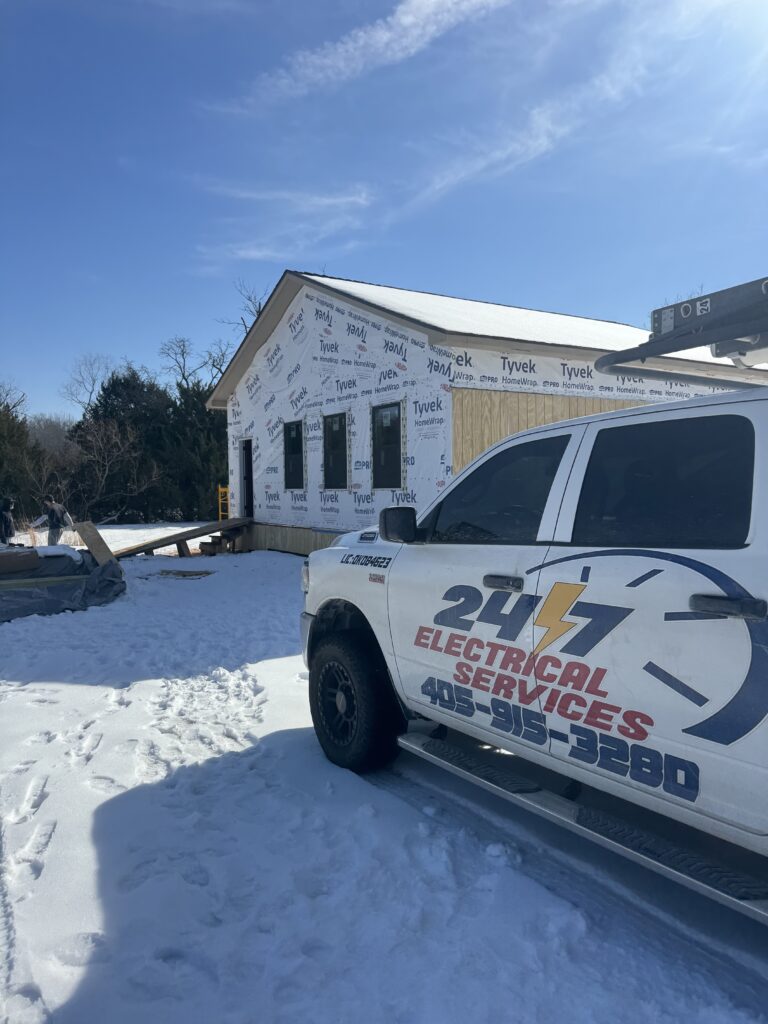
24/7 Electrical Services and Repairs brings the licensed, local expertise your hot tub installation deserves, and we treat every job with the care it demands. We are a locally owned and family operated electrical company serving McLoud and the greater Oklahoma City area, holding Oklahoma electrician license number 084623. Our team handles hot tub circuits from panel to spa, sizing the wire, wiring the GFCI, setting the disconnect, and building the bonding grid to full code compliance. We pull the proper permits and stand behind our work, so your spa is ready for soaking season without a single corner cut. With honest, upfront pricing and free local estimates, you know the cost before we start. That straightforward approach is part of why our neighbors trust us with their homes.
Our reputation rests on doing the job right and treating customers fairly, which matters most on a safety critical load like a hot tub. We specialize in panel upgrades and Generac generators, so a spa that needs more panel capacity is well within our wheelhouse. Every installation we complete is backed by a 1 year labor warranty and a 3 year panel warranty, giving you real protection after the work is done. We also offer 24/7 emergency electrical service, so if your spa trips a breaker late on a Friday night, we answer the call. That round the clock availability is the kind of support a major electrical load deserves. Our goal is a spa you can enjoy with complete confidence.
When you are ready to wire your hot tub the right way before soaking season, reach out to a team that takes ethics and safety as seriously as you do. We will assess your panel, design the circuit around your specific spa, and deliver a clean, inspected installation you can rely on for years. From the first estimate to the final inspection, we keep you informed and we keep the pricing honest. Give 24/7 Electrical Services and Repairs a call at (405) 915-3280 to schedule your hot tub wiring and get your backyard retreat ready for summer. Your soak should be relaxing, and that starts with wiring you never have to worry about. Let us handle the power so you can enjoy the water.