
Why GFCI Outlets Matter Most in Your Kitchen and Bathroom During Humid Months
Humid months in Oklahoma bring more than warm air and afternoon thunderstorms. They also bring moisture into the two rooms where water and electricity sit closest together, your kitchen and your bathroom. A GFCI outlet is the small device that stands between that moisture and a dangerous shock. GFCI stands for Ground Fault Circuit Interrupter, and its job is to cut power the instant electricity starts flowing somewhere it should not. During a humid Oklahoma summer, steam from hot showers, condensation on cool surfaces, and splashes near the sink all raise the odds of a ground fault. That makes these outlets the single most important safety feature in the wettest rooms of your home. Many homeowners across McLoud and the greater Oklahoma City metro overlook them until a shock or a tripped outlet finally gets their attention. This guide explains how GFCI outlets work, why they matter most when the air turns thick and damp, and how to keep yours ready for the season ahead. If your kitchen or bathroom still relies on standard outlets, now is the time to make a change before the most humid stretch of the year settles in.
How GFCI Outlets Protect Your Kitchen and Bathroom From Summer Humidity
A GFCI outlet does something a standard outlet cannot; it constantly compares the electricity flowing out to the electricity flowing back. When those two amounts stop matching, the device assumes current is escaping along an unintended path, such as through water or through a person. In response, it shuts off power in a tiny fraction of a second, fast enough to prevent a fatal shock. Humid months put this protection to the test because moisture is one of the most common ways for current to escape its proper path. Kitchens and bathrooms already hold sinks, showers, tubs, and appliances that mix water with live wiring. Add summer humidity to that mix and the risk climbs even higher. Understanding how this protection works helps you see why these two rooms deserve special attention. If you want a professional to confirm your outlets are protected, you can click here for our GFCI outlet installation service.
The Way GFCI Outlets Sense Moisture in Your Kitchen and Bathroom
The science behind a GFCI outlet is simpler than most people expect, yet it saves lives every year. Inside the outlet, a sensor measures the current traveling through the hot wire and the current returning through the neutral wire. In a healthy circuit, those two values stay equal because every bit of electricity that leaves comes right back. When moisture creates a leak, some of that current drains away to ground instead of returning through the neutral wire. The sensor notices the imbalance, even a tiny one in the range of four to six milliamps. Once it detects that gap, an internal switch snaps open and cuts the power. This entire process happens in roughly one fortieth of a second, far faster than your nerves can register a shock.
Humidity matters here because water is a conductor, and damp air slowly coats surfaces with moisture you cannot always see. A film of condensation on an outlet face, inside a junction box, or along a countertop can create exactly the kind of leak a GFCI is built to catch. In your kitchen, steam from boiling pots and running dishwashers settles on nearby walls and outlets. In your bathroom, hot showers fill the room with vapor that clings to every cool surface, including the metal parts inside your electrical boxes. A standard outlet has no way to react to these leaks and will keep delivering power as if nothing is wrong. A GFCI outlet, on the other hand, treats that moisture as the threat it truly is.
This sensing ability is why electrical codes single out kitchens and bathrooms for GFCI protection. The National Electrical Code has required GFCI protection in bathrooms since the mid 1970s and at kitchen countertops since the late 1980s. Those requirements exist because decades of injury data pointed straight at water and electricity meeting in these rooms. During the humid stretch of an Oklahoma summer, the conditions that prompted those code changes become even more pronounced. A working GFCI outlet gives you a layer of defense that adjusts to real conditions instead of assuming everything is dry. That responsiveness is exactly what makes these outlets worth installing and maintaining in every damp area of your home.
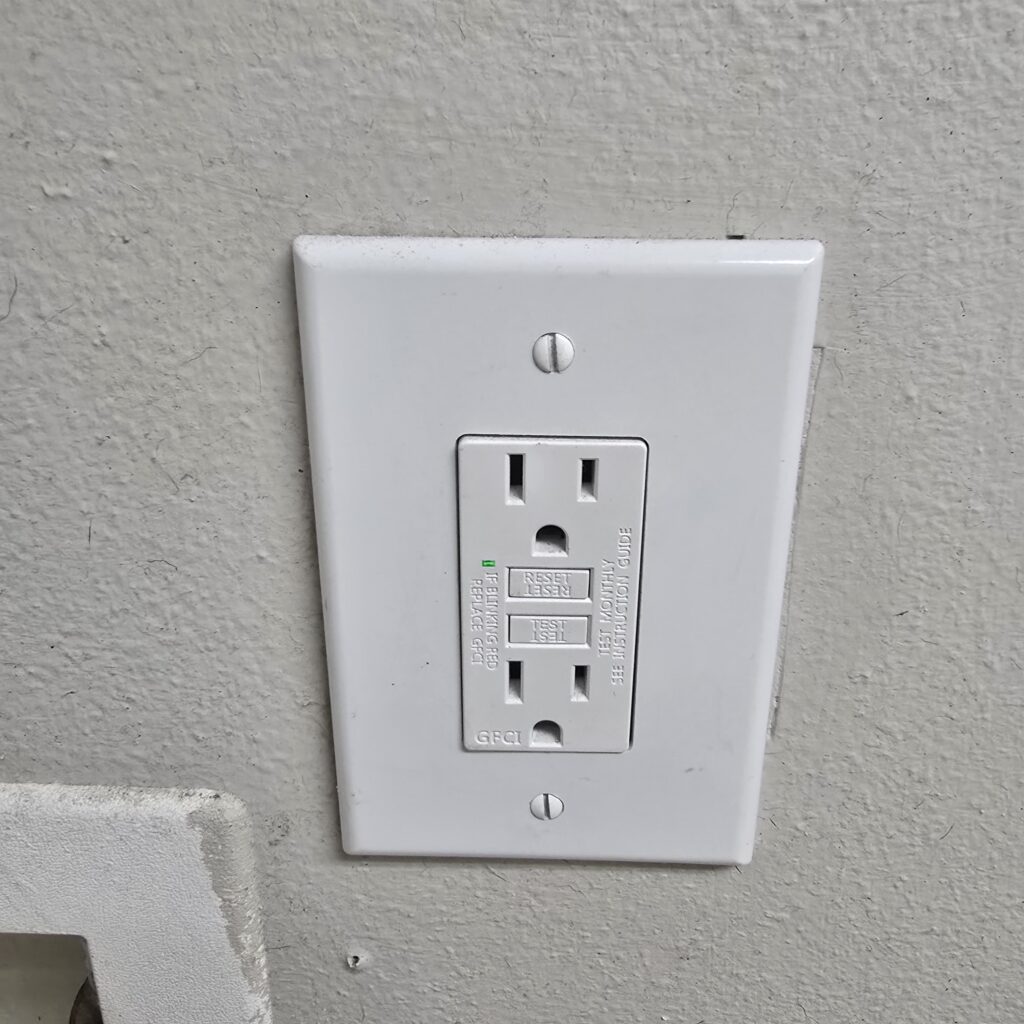
Where GFCI Outlets Belong in a Humid Kitchen and Bathroom
Knowing where GFCI protection belongs helps you spot gaps in your own home before they become hazards. In the kitchen, code requires GFCI protection for the receptacles that serve countertop surfaces, since those are the outlets most likely to sit near a sink. Outlets within six feet of a sink fall squarely into the high risk zone, and that includes spots you might not think about, like the one behind the coffee maker. Island and peninsula receptacles also call for protection because food prep and water often happen in the same place. Any outlet that powers a dishwasher or a garbage disposal benefits from this safeguard as well. When humidity rises, the moisture in the air widens the danger far beyond the obvious splash zone. That is why a thorough review of every kitchen outlet matters so much.
Bathrooms follow the same logic, only the stakes are even higher because of how often skin meets water in that room. Every bathroom receptacle should carry GFCI protection, no exceptions, because the entire room functions as a wet location during a shower. The outlet beside the sink where you plug in a hair dryer or electric razor poses an obvious risk if it lacks protection. Outlets near the tub or shower surround deserve equal attention, since vapor and overspray reach them easily. Even an outlet on the far wall sits inside a room that fills with moisture during humid months. A single unprotected receptacle in a bathroom is a serious safety gap that humidity only makes worse.
Beyond these two rooms, the same protection extends to laundry areas, garages, basements, and outdoor outlets, all of which share the moisture problem. Many older homes in the McLoud and Oklahoma City area still have standard outlets in spots that current code would never allow. Remodels and additions sometimes leave a patchwork of protected and unprotected receptacles that homeowners never notice. A licensed electrician can map out where your protection exists today and where it falls short. Catching these gaps before peak humidity arrives keeps your family safer when the risk is highest. If you are unsure about your current setup, a quick electrical inspection from our team can give you a clear answer.
Why Humid Months Raise the Shock Risk in Your Kitchen and Bathroom
Humidity changes the way electricity behaves inside your home in ways that are easy to underestimate. Dry air is a poor conductor, which means a small amount of leaking current often goes nowhere on a dry winter day. Damp air, by contrast, gives that current an easier route, allowing leaks to grow and spread across surfaces. During an Oklahoma summer, indoor humidity often climbs even with the air conditioner running, especially in rooms that produce their own moisture. Your kitchen generates steam every time you cook, and your bathroom turns into a sauna during a hot shower. Those bursts of moisture settle into outlet boxes, around wire connections, and behind walls where you cannot see them. Over time, that repeated exposure wears down insulation and creates the exact conditions a ground fault needs.
The human body adds another factor that humid months make worse, because wet or sweaty skin conducts electricity far more readily than dry skin. In summer, people move through their kitchens and bathrooms with damp hands, bare feet, and perspiration on their skin. A shock that might have been a startling jolt on a dry day can become a far more serious event when your body offers electricity an easy path to ground. Children and older family members face even greater danger because their bodies and reactions differ from those of a healthy adult. A GFCI outlet does not care how wet your skin is, since it reacts to the current leak itself rather than the person. That is why these outlets carry so much weight during the warmest, dampest weeks of the year.
Storm season in Oklahoma adds one more layer to the humid month risk that homeowners should keep in mind. Summer brings heavy rain, roof leaks, and the kind of power fluctuations that come with thunderstorms rolling across the plains. Moisture intrusion from a leaky window or a damp crawl space can travel toward outlets you assumed were perfectly dry. Power surges during storms can stress outlet wiring and damage the very components that keep you safe. When these factors stack on top of everyday cooking and bathing moisture, the case for reliable GFCI protection becomes hard to ignore. Treating these outlets as a summer priority, not an afterthought, is one of the smartest safety moves a homeowner can make.
Common GFCI Outlet Problems in Kitchens and Bathrooms During Humid Months
Even the best GFCI outlets can run into trouble, and humid months tend to expose those problems quickly. Some homeowners notice an outlet that trips again and again, while others find one that no longer resets at all. A few discover that an outlet they assumed was protected was never wired correctly in the first place. Moisture, age, and heavy use all play a role in how these devices hold up over a long Oklahoma summer. The good news is that most of these issues follow predictable patterns once you know what to look for. Spotting them early keeps a minor annoyance from turning into a real hazard. The sections below walk through the most common GFCI problems and what each one is trying to tell you.
Why Your Kitchen and Bathroom GFCI Outlet Keeps Tripping in Humid Months
A GFCI outlet that trips repeatedly during humid months is often doing exactly what it was built to do. Each trip means the device sensed a current imbalance and shut off power to keep you safe. In many cases, the culprit is moisture that has worked its way into the outlet box, the wiring, or a connected appliance. A bathroom outlet that trips after every shower is almost certainly reacting to the steam filling the room. A kitchen outlet that trips when the dishwasher runs may be responding to a small leak in the appliance or its connection. Rather than treating these trips as a nuisance, treat them as a warning worth investigating.
Sometimes the tripping points to a problem deeper in the circuit rather than the outlet itself. Worn insulation on older wiring can allow current to leak once humidity raises the conductivity of the surrounding air. A loose or corroded connection inside the box creates resistance and irregular current flow that a sensitive GFCI will catch. Multiple appliances sharing a single protected circuit can also push the device toward nuisance trips during heavy summer use. In some homes, water intrusion from a roof leak or a damp wall cavity reaches wiring that should never get wet. Each of these causes calls for a closer look rather than simply resetting the outlet and hoping for the best. Resetting an outlet over and over without finding the source only delays the day you face a bigger problem.
It is important to know the difference between a GFCI that trips for a good reason and one that has simply failed. A device protecting you from a real moisture leak is a working safety feature, not a defect. A device that trips for no traceable reason, or that trips the moment you reset it with nothing plugged in, may be worn out. The components inside a GFCI degrade over years of use, and humid conditions can speed that wear along. Repeated tripping that has no clear cause deserves a professional diagnosis to rule out a hidden hazard. If your kitchen or bathroom outlet keeps tripping this summer, you can reach our emergency electrician team here for fast help.
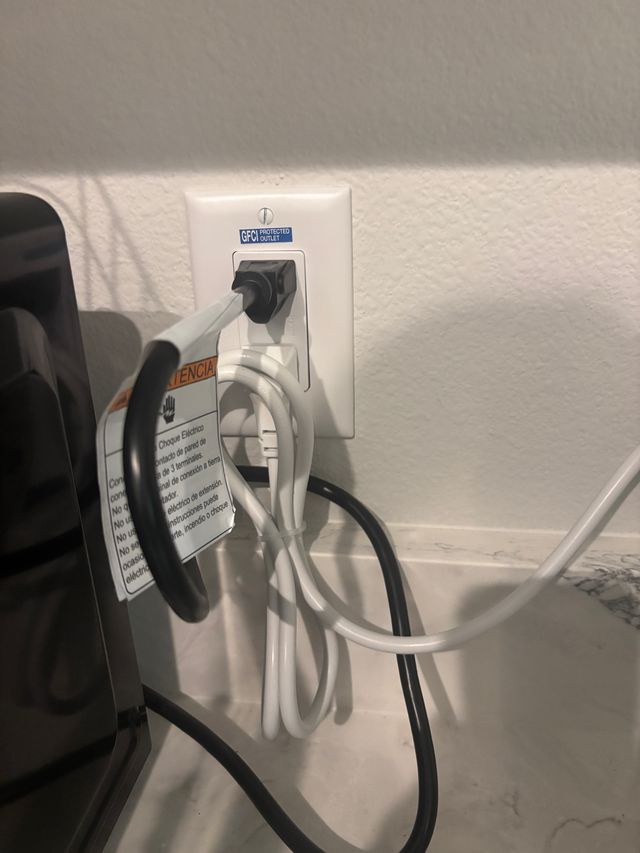
Signs Your Kitchen and Bathroom GFCI Outlet Needs Replacement
Like any electrical device, a GFCI outlet has a lifespan, and several clear signs tell you when its time is up. The most telling sign is an outlet that will not reset even after you confirm nothing problematic is plugged in. If pressing the reset button does nothing, or the button pops right back out, the internal mechanism may have failed. Another warning sign is an outlet that still provides power even after you press the test button, which means the protection is no longer working. A GFCI that fails this simple test is essentially a standard outlet wearing a safety disguise. Discoloration, scorch marks, or a burning smell around the outlet point to overheating that demands immediate attention. Any of these symptoms means the device should be replaced rather than trusted for another season.
Age alone is a strong reason to consider replacement, especially in homes that have not seen an electrical update in many years. Most manufacturers suggest replacing GFCI outlets roughly every ten to fifteen years, and humid environments can shorten that window. Outlets installed in the moisture heavy zones of a kitchen or bathroom simply work harder than those in a dry bedroom. If you have lived in your home for a decade or more and never replaced these outlets, the originals may be near the end of their service life. Cracked faceplates, loose receptacles that no longer grip a plug, and outlets that feel warm to the touch all add to the case for replacement. Catching these signs before peak summer humidity gives you time to act on your own schedule.
Replacing a GFCI outlet is not always as simple as swapping one device for another, since the wiring behind it matters just as much. An outlet may be protected directly at the receptacle, or it may receive protection from another GFCI or breaker upstream on the circuit. Getting this wiring right is essential, because a mistake can leave outlets unprotected while appearing to work fine. Incorrect wiring can also cause the protection to extend to the wrong outlets or fail to extend at all. A licensed electrician understands these configurations and can confirm that every outlet that needs protection actually has it. Trusting this work to a professional ensures the replacement truly restores the safety your kitchen and bathroom depend on.
How to Test a Kitchen and Bathroom GFCI Outlet During Humid Months
Testing your GFCI outlets is one of the easiest safety habits you can build, and humid months are the perfect time to start. Every GFCI outlet has two small buttons on its face, one marked test and one marked reset. To test the outlet, plug in a simple device like a lamp or a phone charger and turn it on. Press the test button, and the device should immediately lose power as the outlet trips. Press the reset button, and power should return to the device right away. If the outlet does not cut power when you press test, or does not restore power when you press reset, it is not protecting you the way it should.
Experts recommend running this test about once a month, and the humid season gives you extra reason to stay on schedule. Moisture stresses these outlets more during summer, so monthly testing catches problems while they are still small. Make a habit of testing every protected outlet in your kitchen and bathroom on the same day so none get skipped. Keep in mind that a single GFCI outlet may protect several other outlets downstream on the same circuit. When you test the main device, the outlets it protects should lose power too, which is a useful way to map your protection. Writing down which outlets respond helps you understand how your home is wired and where any gaps might hide.
Testing is valuable, but it has limits, and a failed test always calls for professional follow up rather than a do it yourself fix. A GFCI that fails its test is signaling a real problem that could leave your family exposed to shock. Never assume a non responsive outlet is fine simply because it still delivers power to your devices. Resist the urge to open the outlet or rework the wiring yourself, since live electrical work in a damp room carries serious risk. A licensed electrician can test the outlet thoroughly, diagnose the cause, and replace the device safely. Building a monthly testing routine and pairing it with professional repairs gives you the strongest possible protection all summer long.
Why You Need Professional GFCI Outlet Installation Before Peak Humid Months
The smartest time to address GFCI protection is before the most humid weeks of the Oklahoma summer arrive in full force. Acting early means you fix gaps and replace worn outlets on your own timeline rather than during an emergency. Professional installation also guarantees the work meets current electrical code, which protects both your family and your home value. A licensed electrician brings the training, tools, and experience needed to handle live wiring in moisture prone rooms safely. Do it yourself outlet work in a kitchen or bathroom carries real danger and often leaves hidden mistakes behind. Trusting this job to a professional gives you confidence that every outlet truly does its job when the humidity peaks.
Trust a Licensed Electrician for GFCI Outlet Installation in Humid Months
A licensed electrician offers something no online tutorial can match, which is hands on knowledge of how your specific home is wired. Older homes around McLoud and the Oklahoma City metro often hide surprises behind their walls, from outdated wiring to past repairs done incorrectly. A trained professional reads these conditions and adapts the installation to keep your family safe. Working with electricity in a damp kitchen or bathroom multiplies the risk that comes with any wiring mistake. A licensed electrician follows proven safety procedures that protect both you and your home throughout the job. That expertise becomes even more valuable during the humid season when the margin for error shrinks.
Code compliance is another reason to choose a professional rather than attempting the work yourself. Electrical codes exist to prevent the exact injuries that GFCI outlets are designed to stop, and they update over time as new data emerges. A licensed electrician stays current with these requirements and installs every outlet to meet or exceed them. Proper code compliance also matters when you sell your home or file an insurance claim after an incident. An inspection can flag unpermitted or incorrect electrical work, which creates costly headaches down the road. Professional installation protects you from those problems by getting the work right the first time.
There is also real peace of mind in knowing the job was done correctly by someone who stands behind their work. A professional installation comes with accountability that a weekend project simply cannot offer. When a licensed electrician handles your GFCI outlets, you gain a clear record of safe, code compliant work. That record matters for your family today and for the next owner of your home in the future. You also gain a trusted point of contact for any electrical questions or concerns that come up later. During the humid summer months, that kind of reliable support is worth far more than the cost of the work.
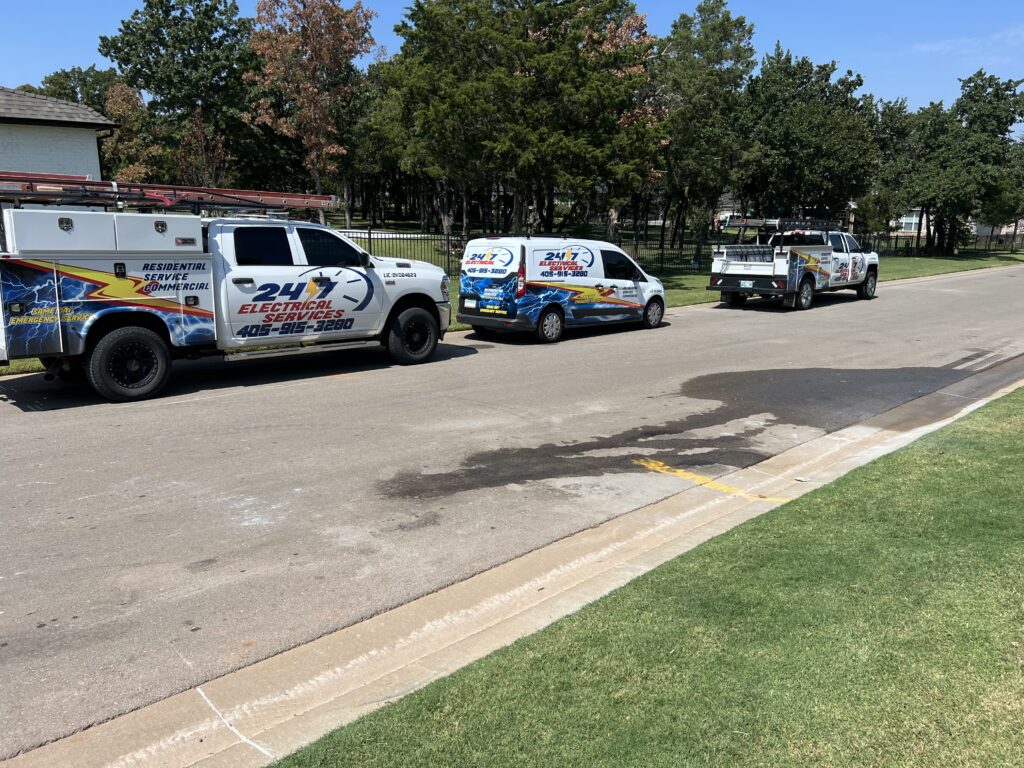
What to Expect During Professional GFCI Outlet Installation
A professional GFCI outlet installation starts with a careful look at your existing electrical setup. The electrician identifies which outlets need protection, checks the condition of your wiring, and confirms how your circuits are arranged. This assessment ensures the new outlets protect every receptacle that should be covered in your kitchen and bathroom. From there, the electrician shuts off power to the affected circuits and verifies that the lines are truly dead before touching any wires. These early steps may seem simple, yet they form the foundation of a safe and accurate installation. Skipping them is exactly the kind of shortcut that leads to dangerous mistakes.
Once the workspace is safe, the electrician removes the old outlets and installs the new GFCI devices with proper wiring connections. Correct connections matter enormously, since the line and load terminals control which outlets receive protection. The electrician secures each wire, seats the outlet firmly in its box, and confirms a snug fit that resists future loosening. In moisture heavy areas, the right faceplates and weather resistant components add another layer of defense against humidity. Each detail contributes to an outlet that performs reliably through a long Oklahoma summer. Careful workmanship at this stage is what separates a lasting installation from one that fails early.
After installation, a thorough professional tests every outlet to confirm the protection works as intended. The electrician presses the test and reset buttons, checks that downstream outlets respond, and verifies that power flows correctly. This final testing step proves the work is sound before the electrician ever leaves your home. A good professional also walks you through how to test the outlets yourself going forward. You finish the visit with outlets you can trust and the knowledge to keep them in good shape. That complete process is the standard you should expect from any installation you pay for.
Why Choose 24/7 Electrical Services and Repairs for GFCI Outlet Installation
24/7 Electrical Services and Repairs is a locally owned and family operated electrical company that understands Oklahoma homes from the ground up. We hold Oklahoma electrician license number 084623, and we treat every job with the care we would want in our own homes. Our team knows how humid summers affect kitchens and bathrooms across McLoud, Midwest City, Norman, Edmond, and the wider metro. We offer free local estimates with honest, upfront pricing, so you always know what to expect before any work begins. When a problem cannot wait, our 24/7 emergency electrical service is ready to respond day or night. That combination of local roots and round the clock availability sets us apart.
We back our work with a one year labor warranty and a three year panel warranty, which reflects the confidence we have in our craftsmanship. As panel upgrade and Generac generator specialists, we bring deep experience to every part of your home electrical system, not just outlets. Our ethos is built on doing honest work, treating customers fairly, and standing behind every job we complete. When you call us, you reach a team that cares about your family safety and your long term peace of mind. We take the time to explain our work so you understand what we did and why it matters. That respect for our customers is the heart of how we operate.
Humid months are the right time to make sure your kitchen and bathroom outlets are ready for the season, and our team is here to help. Whether you need a single outlet replaced or a full review of your home GFCI protection, we deliver work you can trust. You can schedule professional GFCI outlet installation with our team here and protect your home before the humidity peaks. Reach out today for a free estimate and let our licensed electricians give you confidence in your safest rooms. Call 24/7 Electrical Services and Repairs now at (405) 915-3280, and we will take care of the rest.