
The Homeowners Guide to Surge Protection for Your Expensive Electronics
August in Oklahoma puts more stress on home electrical systems than most homeowners realize. Air conditioners run nearly around the clock, utility equipment switches loads back and forth to keep up with demand, and late summer thunderstorms roll through the metro with lightning that travels for miles. Every one of those events can send a voltage spike down the wires feeding your television, your gaming console, your smart home hub, and the laptop your kids need for the school year that is about to start. The frustrating part is that most surge damage does not announce itself with a bang or a puff of smoke. It builds quietly over months as small spikes wear down the internal components of the electronics you paid good money for, until one day a device simply refuses to power on. Surge protection is the one upgrade that costs a fraction of what it protects, and it is the upgrade homeowners think about only after the damage is done. This guide walks through how surges actually reach your electronics, what real protection looks like at the panel and at the outlet, and how to know if your home has any protection at all right now.
What Surge Protection Does for Expensive Electronics in Your Home
Surge protection works by giving excess voltage a safe path to travel so that it does not travel through the sensitive circuit boards inside your equipment. A surge protective device sits and does nothing during normal operation, monitoring the voltage on the line and waiting. The moment voltage climbs above a safe threshold, the device clamps down and diverts that excess energy to the grounding system of your home. The whole reaction happens in nanoseconds, faster than any device you own can be harmed by it. Good surge protection for expensive electronics is not a single product; it is a system that starts at your electrical panel and finishes at the outlet behind your entertainment center. Homeowners who install only one layer usually end up disappointed, because each layer handles a different size of threat. Understanding the difference is what separates equipment that survives storm season from equipment that gets replaced.
How Power Surges Damage Expensive Electronics
Most people picture a lightning bolt when they hear the word surge, and lightning certainly deserves respect, especially in a state that averages fifty or more thunderstorm days a year. A nearby strike does not have to hit your house to cause harm; it can induce voltage on overhead utility lines, on buried cable, and even on the metal in your walls, then push that energy straight toward whatever is plugged in. Utility side events matter too, including capacitor bank switching, downed lines, tree contact, and the moment power is restored after an outage when everything on the circuit tries to start at once. Those external events tend to be large and dramatic, and they are the ones that destroy several devices at the same moment. A single event of that size can take out a television, a router, a refrigerator control board, and a furnace control board in one shot. Homeowners often assume their insurance will cover it, then find out the deductible is higher than the value of what was lost. The devices most at risk are the ones with delicate microprocessors, which now includes nearly every appliance in a modern home.
The surges that cause the most cumulative damage, though, come from inside your own house. Every time a large motor starts or stops, it creates a voltage disturbance on the circuits it shares, and your air conditioning compressor is the biggest offender during an Oklahoma summer. Well pumps, garage door openers, refrigerator compressors, laser printers, and clothes dryers all contribute their own smaller spikes throughout the day. Industry research has long held that the large majority of surge events originate inside the building rather than out on the utility line. These internal surges are small enough that you never notice them and frequent enough that they add up to real wear. Think of it the same way you think about a small water leak behind a wall, quiet and steady and expensive by the time it shows itself. The electronics do not fail on the day of the big storm; they fail three summers later for no obvious reason at all.
The damage itself happens at the component level inside the equipment. Semiconductors, capacitors, and the thin conductive traces on a circuit board are engineered for a narrow voltage range, and repeated overvoltage events degrade the insulation and the junctions inside them. Sometimes a power supply board takes the hit and the rest of the device survives, which is why a television will occasionally come back to life after a board replacement. Other times the surge reaches memory and processing components, and the device is finished. Data loss is its own category of pain, especially on home office computers and network attached storage drives that hold family photos. Repair technicians frequently cannot say for certain that a surge caused a failure, which is exactly why so many homeowners underestimate the problem. Protecting the equipment on the front end is far cheaper than diagnosing it on the back end.

The Layered Surge Protection Setup That Protects Electronics Best
Real surge protection for electronics uses two or three layers working together, and each layer is defined by where it sits in the electrical system. A Type 1 surge protective device is rated for installation on the line side of your main service disconnect, meaning it goes in ahead of the main breaker and handles the largest external events coming off the utility. A Type 2 device installs on the load side of the main disconnect, typically right at your main panel, and this is what most people mean when they say whole house surge protection. A Type 3 device is a point of use protector, the kind you plug into an outlet, and it is designed to be installed a reasonable distance downstream from the panel rather than as a standalone solution. Each type has different energy handling capability and a different job. Skipping the panel level device and relying only on plug in strips is like putting a screen door on a submarine. The plug in strip was never engineered to absorb the kind of energy that comes in from outside.
The panel level device takes the first and biggest bite out of an incoming surge, knocking a potentially destructive event down to a much smaller residual voltage. That residual still travels down your branch circuits, which is where point of use protection earns its keep. A quality plug in protector at your home theater, your home office, and your bedroom nightstand handles what is left and smooths out the small internal spikes created by the appliances on those same circuits. For desktop computers and network equipment, an uninterruptible power supply adds one more benefit that a surge protector cannot provide, which is riding through a brief outage or voltage sag so the equipment shuts down cleanly. Anyone running a home business out of Edmond, Norman, or Oklahoma City should treat that as standard equipment rather than an accessory. The layers are inexpensive individually and powerful together. If you are building out a media room, our team can coordinate protection with the rest of the setup during home theater installation.
One gap that catches homeowners off guard involves the wires that are not power wires. Coaxial cable from a satellite or cable provider, telephone lines, and outdoor ethernet runs to cameras or detached buildings all provide a path for surge energy to enter the house. A whole house surge protector on your electrical panel does absolutely nothing for a spike that arrives on the coax feeding your television. Those service entries need their own protection, and just as importantly, they need to be bonded to the same grounding electrode system as the electrical service. When two systems in the same house are grounded to different reference points, a surge can find a difference in potential between them and travel through whatever equipment bridges the gap, which is very often your television or your cable modem. Proper bonding of all service entries is a code requirement and a practical safeguard at the same time. It is also one of the most common deficiencies our electricians find during inspections on older homes.
Surge Protection Ratings That Actually Matter for Home Electronics
The label on a surge protective device lists several numbers, and knowing which ones matter keeps you from overpaying for the wrong thing. Voltage protection rating, abbreviated VPR, is the single most useful specification because it tells you the let through voltage your equipment will actually see during a standard test surge. Lower is better here; a device with a 700 volt VPR passes less energy to your electronics than one rated at 1200 volts on the same system. Maximum continuous operating voltage, or MCOV, tells you how much steady voltage the device tolerates without degrading, and a device rated too close to normal line voltage will wear out prematurely. Surge current capacity, expressed in kiloamps, describes how much energy the device can absorb over its life, and higher numbers generally mean a longer service life rather than better moment to moment protection. Nominal discharge current, listed as In, tells you how many repeat surges of a standard size the device can survive and still function. Any device you install should carry a UL 1449 listing, which is the safety standard written specifically for surge protective devices.
Point of use protectors are usually marketed with a joule rating, and while joules are not a precise measure of protection quality, they do give a rough sense of how much abuse the strip can absorb before it quits. A protector under a few hundred joules belongs on a lamp, not on a four thousand dollar television. Look for a strip that clearly states it provides surge protection rather than one that simply offers multiple outlets, because plenty of cheap power strips offer no protection whatsoever. An indicator light that confirms protection is still active is worth paying for, since a worn out protector will keep delivering power while providing nothing. Many quality units include an audible alarm or will cut power entirely once the protective components have failed. Connected equipment warranties are common, but read the terms, because most require the device to be properly installed and grounded to be valid. A warranty on a strip plugged into an ungrounded two prong outlet is not worth the paper it is printed on.
One specification that gets ignored is the length of the conductors connecting a panel mounted device to the busbars. The wire leads on a surge protective device have inductance, and every additional inch of wire adds let through voltage during a fast rising surge event. Manufacturers commonly recommend keeping those leads as short and as straight as possible, ideally under a foot, with no sharp bends or coiled excess. A device installed with three feet of looped wire tucked along the side of the panel will underperform its own rating, sometimes by a wide margin. This is a large part of why professional installation matters more than the price tag on the hardware itself. Our electricians mount the device as close to the breaker position as the enclosure allows and trim the leads accordingly. Small details like that determine what your electronics actually experience during a storm.
How Whole House Surge Protection Is Installed at Your Electrical Panel
Whole house surge protection installs at your main electrical panel, and for most homes the work takes a couple of hours from start to finish. The device connects to a dedicated двух pole breaker or lands directly on the busbars depending on the model and the panel manufacturer, with the neutral and ground conductors landing on their respective bars. Power to the panel has to be shut off for the installation, which is one of several reasons this is not a homeowner project. Beyond the physical mounting, a proper installation includes verifying that the grounding and bonding of the service is intact, because a surge protector without a solid ground path has nowhere to send the energy it captures. The 2020 National Electrical Code added Section 230.67, which requires a Type 1 or Type 2 surge protective device on services supplying dwelling units, including when an existing service is replaced. Local adoption and amendments vary across Oklahoma jurisdictions, so a licensed electrician familiar with your area is the right person to confirm what applies to your home. If your panel is being replaced or upgraded anyway, adding surge protection at the same time costs very little extra.
Where Whole House Surge Protection Mounts in the Electrical Panel
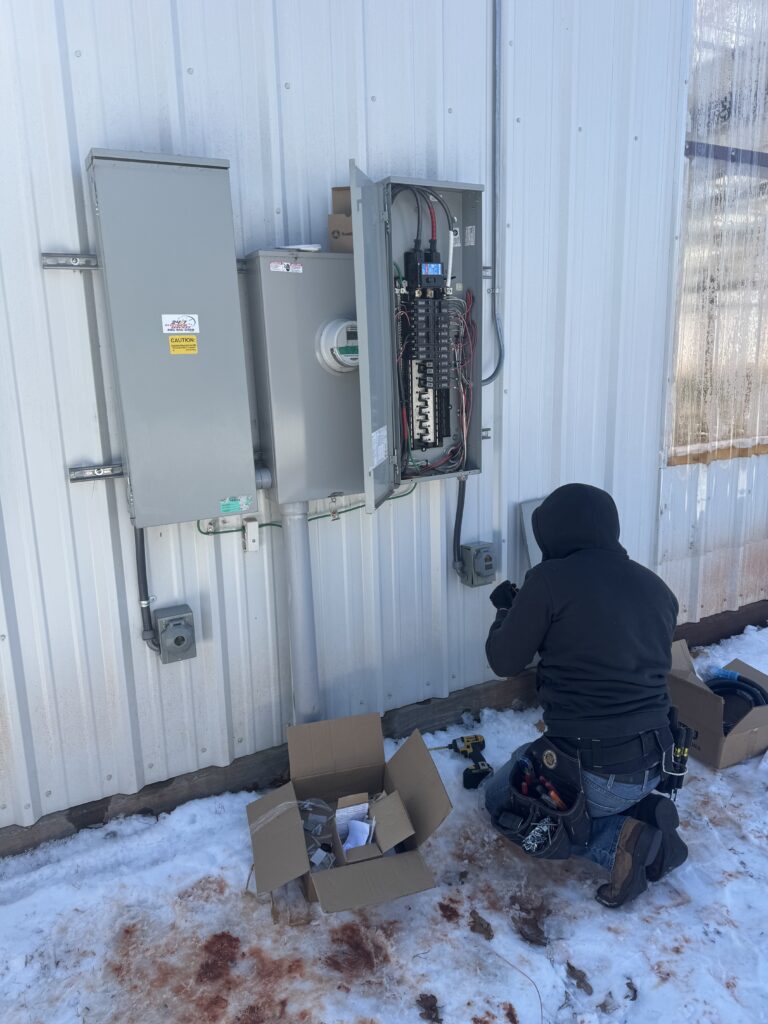
The most common arrangement in an existing home places a Type 2 device on the load side of the main breaker, fed by a two pole breaker installed as close to the top of the busbar as possible. Position matters because the surge has to travel through the busbar to reach the device, and a shorter path means faster response and lower let through voltage. Some panels are full, with every breaker space occupied, which means the installation may require tandem breakers where the panel is listed for them or a panel upgrade where it is not. Certain manufacturers also produce devices that mount directly into a breaker slot, and others offer models that install externally alongside the panel with a short conduit nipple. The right choice depends on the make and model of your panel, the available space, and how the existing circuits are arranged. An electrician evaluates all of that before recommending a device rather than buying one and hoping it fits.
Homes with a meter main combination or a separate outdoor disconnect sometimes benefit from a Type 1 device installed on the line side, ahead of the main overcurrent protection. Type 1 devices carry a higher energy rating and are permitted to be installed where a Type 2 device cannot legally go. Work on the line side of the meter involves coordination with the utility, since that portion of the service remains energized after the main breaker is off. This is genuinely dangerous work, and it is one of the clearest examples of a job that belongs to a licensed professional. In many Oklahoma City metro homes, a Type 2 device at the panel provides excellent protection at a much simpler installation cost. Our electricians walk through the options during the estimate so you can see the difference before deciding.
Detached garages, shops, barns, and pool equipment buildings deserve their own consideration because they are fed by a subpanel with its own set of circuits. A surge that enters through the feeder or through equipment in that outbuilding can travel back toward the house. Homes with a separate structure containing sensitive equipment often warrant a second device at the subpanel serving that structure. The same principle applies to a workshop full of expensive tools with electronic speed controls or a garage with an EV charger. Protection at each panel keeps the energy from moving freely between structures. If you have a subpanel that needs attention or you are adding one, take a look at our electrical subpanel installation service page.
Why Grounding Matters for Whole House Surge Protection
A surge protective device does not eliminate energy; it redirects it. The device needs a low impedance path to the grounding electrode system so the diverted energy has somewhere to go, and if that path is compromised the device cannot do its job. Many homes built decades ago have a single ground rod, corroded connections, or a grounding electrode conductor that was damaged during a remodel or a landscaping project. Others have had a water main section replaced with plastic pipe, which quietly severed a metal water pipe electrode that the original electrician relied on. None of that shows up as a problem during normal use, which is exactly why it goes unnoticed for years. The first time it matters is the moment a surge arrives and has nowhere to dissipate.
Bonding is the companion issue and it is just as important. All metallic systems in the home, including water piping, gas piping, structural steel where present, and the grounding for communications services, need to be bonded together so they share a common reference. When two systems sit at different potentials during a surge event, the current will find a path between them, and that path frequently runs through your electronics. This is the mechanism behind the classic scenario where a strike a quarter mile away destroys a television that was connected to both a wall outlet and a cable feed. Bonding the coax ground block and any telephone or data entry point to the same grounding electrode system closes that loop. It is a code requirement under Article 250 and it is quick work for an electrician who knows what to look for. Skipping it undermines everything else you spend on protection.
Verifying grounding and bonding is a standard part of how our electricians approach a surge protection installation, and it is why the estimate includes a look at more than just the panel. We check the grounding electrode conductor for continuity and physical condition, inspect the connections at the ground rods, confirm the neutral to ground bond exists at the service and only at the service, and look at how the communications services enter the home. If problems turn up, we explain what we found and what correcting it involves before doing any additional work. Older homes across Shawnee, Tecumseh, and McLoud frequently need grounding attention that nobody has looked at since the house was built. Correcting it improves safety across the board, not just surge performance. To have the whole system evaluated, you can schedule an electrical inspection with our team.
When Whole House Surge Protection Needs to Be Replaced
Surge protective devices are consumable. The metal oxide varistors inside most residential units absorb energy every time they clamp, and each event degrades them slightly, which means the device has a finite service life measured in the total energy it has handled. A home in an area with frequent lightning and heavy motor loads will wear out a device faster than a home in a quieter electrical environment. Most quality units include a status indicator, usually a green light that turns off or changes color when protection is no longer active. Homeowners should get in the habit of glancing at that indicator a few times a year, particularly at the start and end of storm season. Some units include an audible alarm and some are designed to disconnect entirely when the protective components fail. A device with no indicator at all gives you no way to know it has already quit.
One very large event, such as a nearby lightning strike, can end a device’s useful life in a single moment even though it did exactly what it was supposed to do. That is a success, not a failure, and it means the device took the hit instead of your equipment. After any storm that produced a close strike or a hard power blink, checking the indicator is worth the sixty seconds it takes. Replacement is straightforward on most models, and some manufacturers design their units with a replaceable module so the base stays in place. Warranty coverage sometimes includes free replacement of the device itself within a set period. Keeping documentation of the installation makes any warranty claim on connected equipment much smoother.
As a general planning number, many homeowners get somewhere between five and ten years out of a residential panel mounted device, though local conditions swing that range in both directions. Point of use protectors have a shorter practical life, and a strip that is a decade old is almost certainly providing nothing more than a row of outlets. Replacing plug in protectors every several years is cheap insurance for what sits behind your entertainment center. Write the installation date on the bottom of each strip with a marker so you have something to reference later. Treat both layers as maintenance items with a service life rather than permanent fixtures. That mindset alone puts you ahead of the majority of homeowners.
Why You Need Professional Surge Protection Installation Before Fall Storm Season
Oklahoma gets a second severe weather season in the fall, and the transition typically begins in late September and runs through November. That leaves a short window right now to get protection in place before the storms return, and it is a far better time to schedule than the week after a lightning strike takes out half the electronics in the house. Professional installation ensures the device is correctly sized for your service, mounted with short leads for maximum performance, and supported by a grounding system that has been verified rather than assumed. It also ensures the work is done safely inside an energized panel by someone trained and licensed to be there. The cost of whole house surge protection is small compared with the replacement value of a modern home full of connected equipment. Getting it scheduled now means it is handled before the weather turns.
What Professional Surge Protection Installation Includes
Our process starts with an evaluation of your existing panel, service size, and available breaker space so we can recommend a device that fits your home rather than a one size fits all product. We look at the age and condition of the panel itself, because installing new equipment in a panel with known safety problems does not serve anyone well. We check the grounding electrode system and the bonding of communications services, and we tell you plainly what we find. From there you get a free local estimate with upfront pricing, so there are no surprises when the work is scheduled. Every step is explained before it happens.
On installation day, we shut down power to the panel, mount the device in the optimal position, trim the leads as short as the enclosure allows, and land the conductors on the correct bars. We verify operation, confirm the status indicator is functioning, and label the breaker clearly for future reference. We also walk you through what the indicator means so you know how to check it yourself down the road. Any recommended point of use protection is discussed at the same time so your layered setup is complete. Cleanup is part of the job, and we leave the panel area better organized than we found it.
Homeowners who are already planning a panel replacement should absolutely bundle the surge protection into that project. The labor overlaps almost completely, the device is required by current code language for dwelling unit services in many jurisdictions, and you avoid paying for a second trip. Panel upgrades are one of our specialties, along with Generac generator installation for homes that want backup power to go with their protection. If your panel is undersized, full, or showing its age, our electrical panel installation page explains what the process looks like. We handle the permitting and inspection coordination as part of the job.
The Cost of Skipping Professional Surge Protection Installation
Add up what is plugged in around your house right now and the number gets uncomfortable quickly. A television, a soundbar, a gaming console, two or three laptops, a desktop, a router, a mesh network, smart thermostats, smart doorbells, security cameras, and a garage door opener with a wireless keypad are standard equipment in a 2026 home. Then add the electronics you do not think of as electronics, including the control board in your air conditioner, the inverter in your refrigerator, the touchscreen on your range, and the circuit board in your washing machine. A single significant surge event that reaches all of it can easily produce a five figure loss. Insurance may cover part of that, and you will still deal with the deductible, the claim, and weeks of inconvenience. Whole house surge protection costs a small fraction of that number.
Do it yourself installation carries its own set of risks that go beyond a voided warranty. Working inside a panel means working near conductors that remain energized even with the main breaker off, and an arc flash inside a residential panel produces enough energy to cause serious injury. Improper conductor sizing, a device installed on the wrong side of the disconnect, or leads left long and looped all reduce effectiveness or create a hazard. Unpermitted electrical work can also complicate a future home sale or an insurance claim. Licensed installation with proper permitting protects the equipment and protects you. That distinction matters most on the day something goes wrong.
There is also the slow cost that never shows up as a single event. Homes without protection replace electronics more often and never connect the dots, chalking failures up to bad luck or products that are not built like they used to be. Repeated small surges shorten the life of everything with a circuit board in it, which today means nearly everything. Protection at the panel and at the outlet reduces that background wear across the entire house. If your electronics have been failing more often than they should, poor power quality is worth ruling out. An electrician can test and evaluate what is actually happening on your circuits.
Why Choose 24/7 Electrical Services and Repairs for Surge Protection Installation
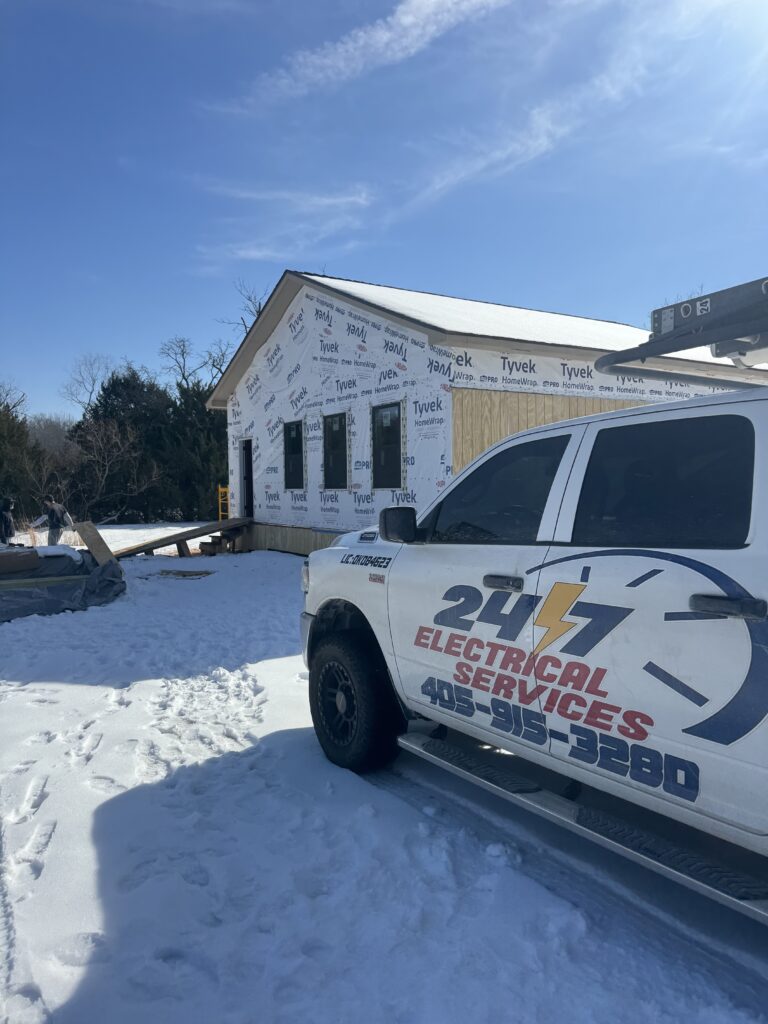
We are a locally owned, family operated electrical company working out of McLoud and serving Oklahoma City, Edmond, Norman, Moore, Shawnee, Yukon, Midwest City, Del City, Choctaw, Harrah, Jones, Mustang, Meeker, Tecumseh, Wellston, and the surrounding communities. Every job is performed under Oklahoma electrical license number 084623, and our work is backed by a one year labor warranty along with a three year warranty on panels. We provide free local estimates with honest, upfront pricing, so you know the number before we start rather than after. Panel upgrades and Generac generator installation are our specialties, which means surge protection is territory we work in constantly. You get a straight answer about what your home needs and what it does not.
Electrical problems do not schedule themselves around business hours, and neither do we. Our emergency electrical service is available around the clock, so a storm at eleven at night does not mean waiting until Monday morning. That matters more in surge situations than people expect, because a damaged service, a burned neutral, or a failed panel component needs immediate attention rather than a wait and see approach. When you call, you reach a local company that knows the utility territories and the local inspection requirements across the metro. We show up when we say we will.
Now is the right time to get surge protection handled, before fall storm season arrives and while scheduling is still open. Ready to protect what is plugged in at your house? Visit our whole house surge protection page to see what the service includes, or call 24/7 Electrical Services and Repairs at (405) 915-3280 to schedule your free local estimate. We will evaluate your panel, check your grounding, recommend the right device for your home, and give you upfront pricing before any work begins. One appointment now saves you a very expensive phone call later.