
How to Safely Power Your Halloween Decorations Without Tripping Breakers
Halloween is the season for glowing pumpkins, spooky floodlights, and giant inflatables that fill the front yard. All of that fun runs on electricity, and every strand of lights and every fog machine pulls power from the same circuits that run your home. When too many decorations plug into one outlet, the breaker senses the overload and shuts the circuit off to protect your wiring. That sudden loss of power feels frustrating on a busy October evening, yet it is your electrical panel doing exactly the job it was built to do. Tripping breakers are almost always a sign that your holiday display is asking for more power than the circuit can safely deliver. The good news is that a few smart habits keep your decorations lit all season long without darkening the neighborhood. You do not need to be an electrician to plan a safe display, but you do need to understand how much power your setup draws and where that power comes from. This guide breaks down why breakers trip, how to spread the load correctly, and when to call a licensed Oklahoma electrician for help.
Why Your Halloween Decorations Keep Tripping Circuit Breakers
Circuit breakers trip for one main reason during the holidays, and that reason is overload. A standard household circuit in most McLoud and Oklahoma City area homes is rated for either 15 or 20 amps, which translates to roughly 1,800 or 2,400 watts of total capacity. Electricians treat 80 percent of that number as the safe working limit, so a 15 amp circuit should carry no more than about 1,440 watts of continuous load. Halloween decorations add up faster than most homeowners expect, especially when inflatables, projectors, and older light strings share a single outlet. When the combined draw crosses that safe limit, the breaker heats up and snaps open to stop the wiring from overheating. Understanding what pulls the most power is the first step toward a display that stays on. Below are the three most common causes of tripped breakers during Halloween.
How Overloaded Circuits Cause Halloween Decorations to Trip Breakers
An overloaded circuit is the number one cause of Halloween decorations tripping breakers, and it happens quietly. Every outlet in a room usually connects back to one breaker, so plugging your inflatable ghost, your porch lights, and your fog machine into that same room can quickly max out the circuit. Homeowners often assume that an outlet on the far side of the porch is on a separate circuit, but many exterior and garage outlets share a single line. When the fog machine kicks on with its heating element, it can spike the load past the breaker’s limit in an instant. That spike is why decorations frequently trip the moment a machine cycles on rather than the moment you first plug it in. The breaker is not broken; it is reading a real overload and reacting correctly. Spreading your decorations across outlets in different rooms or on different exterior walls usually solves the problem. If the same breaker keeps tripping even with a light load, that points to a wiring issue that a professional should inspect.
Wattage is the number that matters most when you plan a display, and it is printed on almost every product. A single inflatable can draw between 50 and 150 watts to run its blower motor, while a projector might use another 20 to 40 watts. Older incandescent light strings are the real power hogs, and a few long strands can pull several hundred watts on their own. Fog machines are the heavyweight of the group, with many models rated between 400 and 1,000 watts because they heat fluid rapidly. Add all of those numbers together and a modest yard display can easily approach the 1,440 watt safe limit of a single 15 amp circuit. Writing down the wattage of each item before you plug anything in gives you a clear picture of your total draw. This simple math is the difference between a lit yard and a dark one.
The age and condition of your home’s wiring also plays a large role in how often breakers trip. Homes built decades ago may have fewer circuits serving the exterior, which means less capacity to share among modern decorations. Loose connections, worn outlets, and undersized wiring all make a circuit more likely to trip under a holiday load. A breaker that trips repeatedly, even after you reduce the number of decorations, is warning you that something deeper needs attention. Ignoring a breaker that keeps failing can allow heat to build up in the wiring behind your walls. That heat is a genuine fire risk, and Halloween season sees a rise in electrical fires tied to overloaded outlets and cheap cords. A licensed electrician can test the circuit, check the panel, and tell you exactly how much load your outlets can handle. Getting that answer before the season starts saves you from tripped breakers and keeps your family safe.
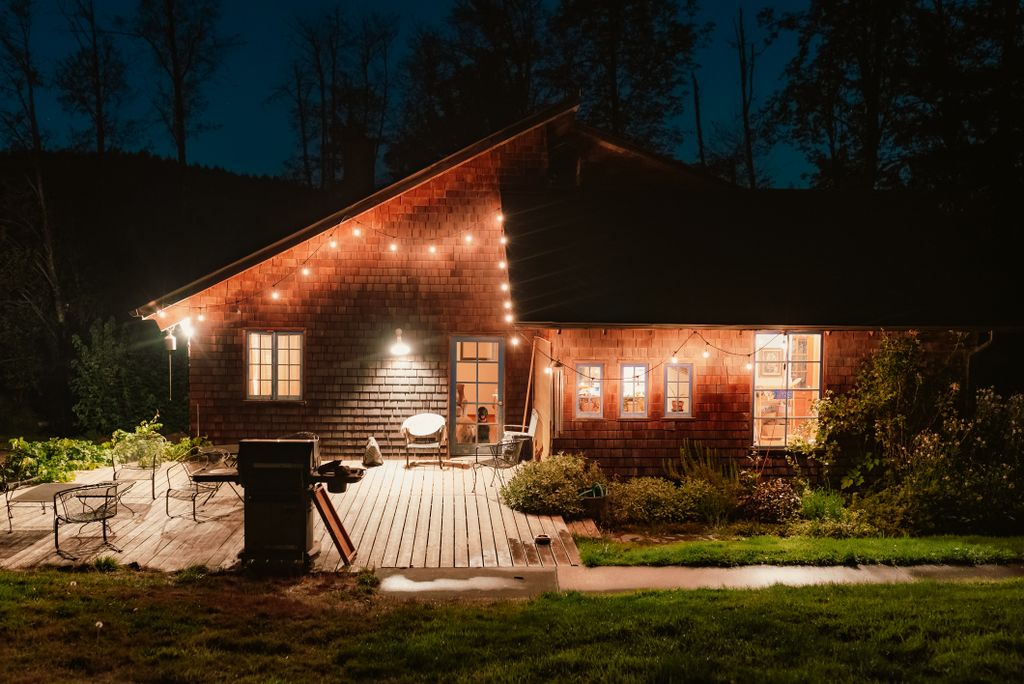
The Difference Between Incandescent and LED Halloween Decorations
The type of lights you choose has a massive effect on how many Halloween decorations you can run before tripping a breaker. Traditional incandescent string lights create light by heating a tiny filament, and that process wastes most of its energy as heat rather than glow. A single 100 count strand of incandescent mini lights can draw around 40 watts, so ten connected strands eat up roughly 400 watts of your circuit. LED lights, by contrast, produce the same brightness while using a fraction of the power. The same 100 count strand in LED form might draw only 4 to 5 watts, cutting your energy use by up to 90 percent. That difference means you can run far more LED decorations on one circuit without ever approaching the breaker’s limit. Switching to LED is the single most effective upgrade for a homeowner who loves a big display.
Beyond the power savings, LED decorations run cooler and safer than their older counterparts. Incandescent bulbs get hot enough to feel warm to the touch, which raises the risk of melted insulation, scorched cords, and fire near dry leaves or fabric props. LEDs stay cool during operation, so they are gentler on extension cords and far less likely to damage nearby materials. This cooler operation matters a great deal for indoor Halloween displays where lights sit close to curtains, cotton spider webs, and paper decorations. Families with children and pets gain real peace of mind by choosing lights that never overheat. The lower heat output also extends the life of the bulbs, so your investment lasts many seasons. Making the switch protects both your circuits and your home.
Cost is often the reason homeowners hesitate to replace their old incandescent decorations, yet the math favors LED over time. LED strings carry a higher price on the shelf, but they use so little electricity that they lower your October power bill noticeably. A yard packed with incandescent lights can add real money to your monthly statement, while the same display in LED barely moves the needle. Fewer tripped breakers also means less frustration and fewer trips out to the panel in the cold. Because LEDs last for many more hours of use, you replace them far less often than fragile incandescent strands. Over several Halloween seasons, the energy and replacement savings easily cover the higher upfront cost. Choosing LED is a smart move for your wallet, your safety, and your circuit capacity.
How Extension Cords Cause Halloween Decorations to Trip Breakers
Extension cords are essential for outdoor Halloween decorations, yet the wrong cord is a common reason breakers trip and outlets fail. Every extension cord has a gauge rating, and a lower gauge number means a thicker wire that can safely carry more current. A thin indoor cord rated for a lamp cannot handle the load of several inflatables and light strings running for hours. When too much current flows through an undersized cord, the cord heats up, loses voltage along its length, and forces the connected decorations to strain. That strain can trip the breaker or, in a worse case, melt the cord and start a fire. For a serious yard display, a heavy duty outdoor cord rated for at least 15 amps is the right choice. Reading the tag on the cord before you buy it prevents a season full of problems.
Daisy chaining, which means plugging one extension cord into another, is a habit that causes both tripped breakers and dangerous heat. Each connection point adds resistance, and each added length drops more voltage before the power ever reaches your decorations. A long run of chained cords can leave the far inflatable underpowered and the whole circuit working harder than it should. That extra effort raises the current draw and pushes the breaker closer to its trip point. Instead of linking several short cords, use a single cord that is long enough to reach the spot in one run. If one cord will not reach, that is a sign you need an additional outlet installed in a smarter location. A professional can add an exterior outlet exactly where your display needs power.
Weather protection is the final piece that many homeowners overlook when running cords outdoors in Oklahoma’s damp fall weather. Rain, dew, and sprinkler spray can enter an unprotected connection and cause a short that trips the breaker or damages the cord. Outdoor rated cords carry thicker insulation and a weatherproof jacket built to survive moisture and temperature swings. Keeping cord connections up off wet ground and shielded inside a weatherproof cover box protects both the cords and the outlet. Every outdoor outlet powering your decorations should also be a GFCI outlet, which shuts off power the instant it senses a fault. That protection is what keeps a wet connection from becoming a shock hazard for trick or treaters. Need outdoor outlets you can trust in any weather? Click here for our GFCI outlet installation service.
How to Safely Power Outdoor Halloween Decorations Across Multiple Circuits
The safest Halloween display spreads its power draw across several circuits instead of loading everything onto one. Rather than plugging every decoration into the nearest porch outlet, map out which outlets connect to different breakers in your panel. A little planning at the start of the season prevents the frustrating cycle of resetting breakers on Halloween night. You want your inflatables, your lights, and your fog machine drawing from separate circuits so no single line carries the full load. Doing this correctly also lets you run a bigger display than you thought your home could support. The three practices below help you power an outdoor display safely and keep every breaker in the on position.
Using GFCI Outlets to Power Outdoor Halloween Decorations Safely
GFCI outlets are the foundation of any safe outdoor Halloween display, and Oklahoma electrical code requires them for exterior locations. GFCI stands for ground fault circuit interrupter, and this special outlet constantly monitors the flow of electricity in and out of the circuit. The moment it detects even a tiny imbalance, which can signal that current is leaking through water or a person, it cuts power in milliseconds. That instant response is what protects children and pets who may touch a wet cord or a damaged decoration. Standard outlets offer no such protection, so a fault at a standard exterior outlet can deliver a dangerous shock. Powering your outdoor decorations through GFCI outlets is not just smart; it is the code required standard for safety.
Homeowners sometimes discover that their GFCI outlet trips repeatedly once Halloween decorations are plugged in, and this behavior is worth understanding. A GFCI can trip from a genuine ground fault, such as moisture in a cord connection or a decoration with damaged insulation. It can also trip when too many devices share the outlet and the circuit becomes overloaded. Working through the problem means unplugging everything, resetting the outlet, and adding decorations back one at a time to find the culprit. A cord that trips the GFCI the moment it connects likely has water in it or a failing component inside the decoration. Replacing that single faulty item often restores the entire display. If the GFCI trips with nothing plugged in, the outlet itself needs professional attention.
Installing enough GFCI outlets in the right places transforms how easily you can decorate the outside of your home. Many older McLoud area homes have only one or two exterior outlets, which forces homeowners to run long cords across the yard. Adding weatherproof GFCI outlets near the porch, the garage, and the far corners of the yard removes that hassle entirely. Each new outlet gives your display another safe power source and reduces the temptation to overload a single circuit. A licensed electrician can place these outlets on the correct circuits so your load stays balanced from the start. This upgrade pays off every holiday season, from Halloween lights to Christmas displays and beyond. Investing in proper outdoor outlets is one of the best decisions a decorating enthusiast can make.
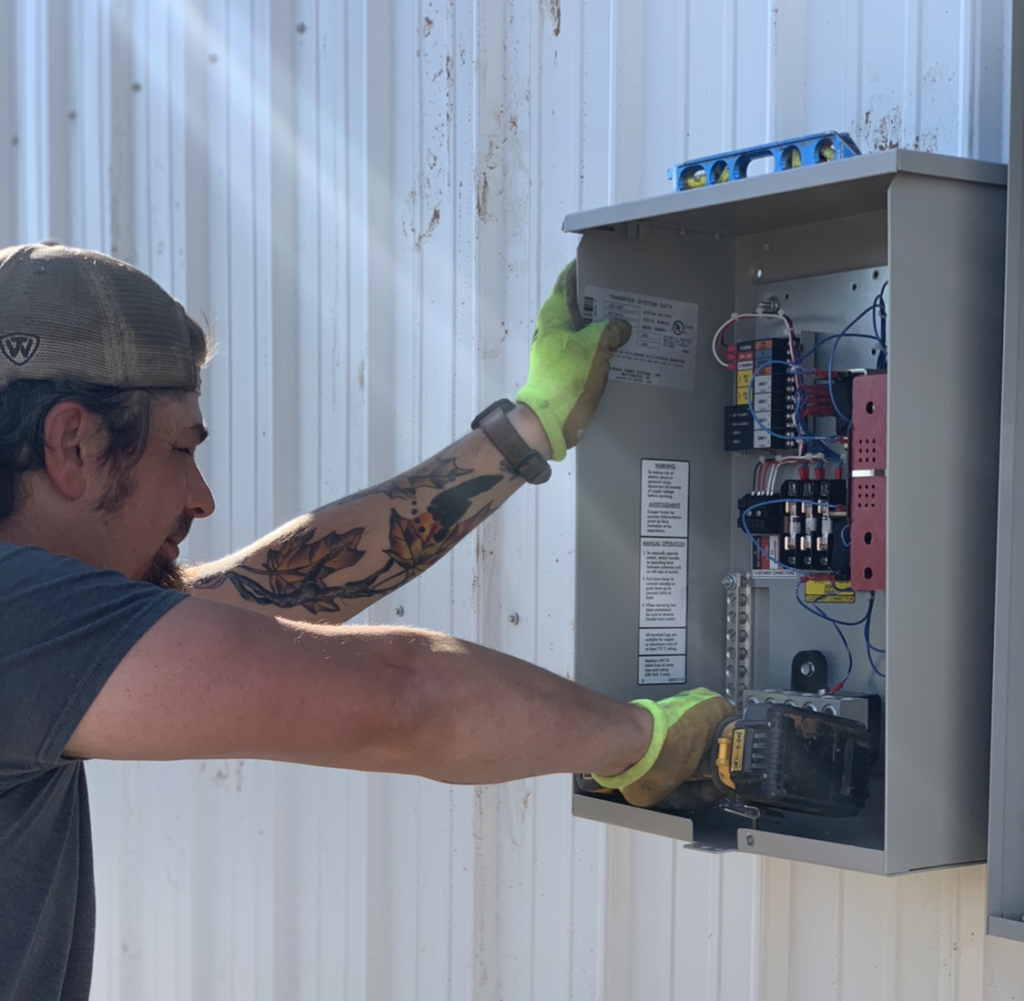
Choosing the Right Extension Cords for Outdoor Halloween Decorations
Selecting the correct extension cord for outdoor Halloween decorations starts with matching the cord to the total wattage it will carry. Add up the wattage of every decoration on that cord, then choose a cord with a gauge rated to handle that load with room to spare. For heavy displays, a 12 or 14 gauge outdoor cord carries far more current than a thin household cord ever could. The cord’s packaging lists both the gauge and the maximum wattage, so match those numbers to your display before you buy. A cord that runs warm to the touch during use is overloaded and needs to be swapped for a heavier one. Choosing the right cord from the start prevents voltage drop, tripped breakers, and dangerous overheating.
Length matters just as much as gauge when you plan the cords for an outdoor display. The longer a cord runs, the more voltage it loses along the way, which leaves your farthest decorations underpowered. Buy a cord that reaches your decoration in a single run rather than linking several shorter cords together. Measure the distance from the outlet to each decoration before shopping so you purchase the correct length the first time. Coiled cords should be fully unwound during use, since a tightly coiled cord traps heat and can melt its own insulation. Keeping runs short and direct protects both the cord and the circuit it feeds. A clean cord plan is the backbone of a display that stays lit all night.
Protecting your cords from Oklahoma’s fall weather keeps your decorations running and your family safe. Elevate cord connections off the wet ground and tuck each junction inside a weatherproof cover to block rain and dew. Never run a cord across a walkway where trick or treaters could trip, and never staple or nail through a cord to hold it in place. Inspect every cord before the season for cracks, frayed spots, or exposed wire, and throw away any cord that shows damage. A damaged cord is a shock and fire hazard that no decoration is worth. Storing your cords indoors between seasons keeps them in good shape for years of use. Simple cord care goes a long way toward a safe and worry free Halloween.
Spreading Halloween Decorations Across Multiple Circuits in Your Panel
Balancing your Halloween decorations across several circuits is the professional way to prevent overloads. Start by learning which outlets connect to which breakers, a task you can complete by plugging in a lamp and flipping breakers one at a time. Label your panel or keep a simple map so you know which outlets draw from different circuits. With that map in hand, you can spread your inflatables, lights, and machines across separate lines so no single breaker carries the full weight. This approach lets a modest home support a surprisingly large display without a single trip. Balancing the load is the same principle electricians use when they design a home’s wiring.
Sometimes a home simply does not have enough circuits reaching the areas where you want to decorate. Older homes and homes with elaborate displays often run out of safe capacity on their exterior circuits. In those cases, a dedicated circuit built just for your seasonal decorations solves the problem for good. A dedicated circuit is a line that runs straight from the panel to a specific outlet, carrying its own breaker and its own full capacity. That means your entire Halloween display can draw from a circuit that nothing else is using. Want a circuit built just for your holiday display? Click here for our dedicated circuit installation service.
Knowing the limits of your panel keeps your whole home safe during the busy decorating season. Your main panel has a total capacity, and adding heavy seasonal loads to an already full panel can cause problems beyond a single tripped breaker. A panel that runs hot, buzzes, or trips its main breaker is warning you that it is working past its safe limit. Homes with older or undersized panels may need a service upgrade to handle modern power demands. An electrician can measure your total load and tell you if your panel has the room for a big display. That professional assessment removes all the guesswork and gives you a display plan you can trust. Planning around your panel’s real capacity is the smartest way to decorate.
Why You Need a Professional Electrician for Halloween Decoration Safety
A festive Halloween display should never come at the cost of your family’s safety, and that is where a professional electrician makes all the difference. Overloaded circuits, faulty outlets, and damaged wiring cause a spike in home electrical fires every fall, and many of those fires trace back to holiday decorations. A licensed electrician can inspect your outlets, test your circuits, and upgrade your setup so your decorations run safely all season. Getting this help before Halloween arrives means you decorate with confidence instead of resetting breakers in the dark. The peace of mind that comes from a safe, code compliant display is well worth a quick service call. Here is why professional help matters and why local homeowners trust our team.
Signs You Need an Electrician Before Hanging Halloween Decorations
Certain warning signs tell you to call an electrician before you plug in a single decoration this Halloween. A breaker that trips often, even under a normal household load, points to a circuit that cannot handle any extra demand. Outlets that feel warm, look scorched, or spark when you plug something in are serious hazards that need immediate attention. Flickering lights, a buzzing sound from the panel, or a burning smell near an outlet all signal trouble inside the wiring. These problems only get worse when you add the heavy load of a holiday display. Spotting these signs early lets a professional fix the issue before it becomes an emergency.
Older homes carry a higher risk of these problems, and Halloween loads often expose weaknesses that stayed hidden the rest of the year. Two prong outlets, a lack of GFCI protection outdoors, and an undersized panel are all common in homes built decades ago. Adding modern inflatables and machines to that older wiring can push it past its safe limits quickly. An electrician can identify these weak points and recommend the right upgrades to support your display safely. Fixing them also improves your home’s everyday electrical safety far beyond the holiday season. A short inspection now prevents a dangerous situation later.
Waiting until a breaker fails on Halloween night puts you in a tough spot with a yard full of dark decorations. Electrical problems rarely fix themselves, and a circuit that struggles under load will keep struggling until the root cause is addressed. Scheduling an inspection in early October gives you plenty of time to make any needed repairs before the big night. A professional can also advise you on how to lay out your display for the safest possible power distribution. That advice turns a risky guessing game into a clear, safe plan. Calling ahead is always easier than calling in a panic.
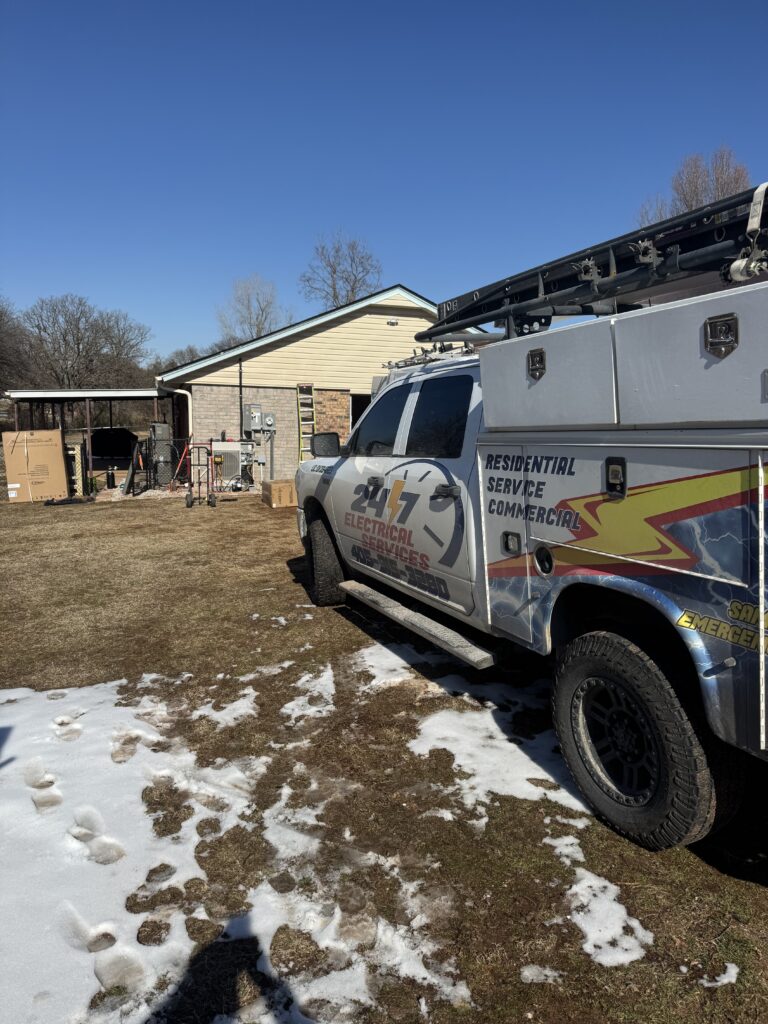
How a Dedicated Circuit Helps Power Halloween Decorations Safely
A dedicated circuit is one of the best long term solutions for homeowners who love a large Halloween display. This kind of circuit runs its own line from the panel to a specific outlet, giving your decorations a full circuit all to themselves. Because nothing else shares that line, your display can draw its full power without ever competing with your kitchen, bathroom, or living room loads. That separation is exactly what stops the constant tripping that plagues homeowners who share one porch outlet. A dedicated circuit also serves you well beyond Halloween, powering Christmas lights, workshop tools, or outdoor equipment year round. It is an investment that keeps paying off season after season.
Installing a dedicated circuit is a job for a licensed electrician because it involves work inside your main panel. The electrician sizes the wire and breaker to match the load you plan to run, then routes a new line to the ideal outlet location. Proper installation follows Oklahoma electrical code and includes the correct GFCI protection for any outdoor outlet. This professional work removes the safety risks that come with overloaded shared circuits and cheap workarounds. A correctly installed dedicated circuit gives you a reliable, code compliant power source you can count on. That reliability is the difference between a stress free display and a frustrating one.
For homeowners who decorate every year, the value of a dedicated circuit becomes clear the very first season. No more mapping outlets, no more resetting breakers, and no more worrying that the fog machine will darken the whole porch. You simply plug your display into a circuit built to handle it and enjoy the show. The added outlet also raises your home’s usefulness for future projects and future holidays. Our team installs these circuits cleanly and safely, sized exactly for your needs. A dedicated circuit turns a stressful decorating season into a simple, safe routine.
Why Choose 24/7 Electrical Services and Repairs for Your Halloween Electrical Needs
24/7 Electrical Services and Repairs is a locally owned and family operated electrical company that serves McLoud and the surrounding Oklahoma City area with pride. We hold Oklahoma electrician license number 084623, and every job we complete meets local code and our own high standard for safety. Our team specializes in panel upgrades, dedicated circuits, GFCI installation, and the exact kind of work that keeps a holiday display running safely. We offer free local estimates with honest, upfront pricing, so you always know the cost before we begin. Our work is backed by a one year labor warranty and a three year panel warranty, giving you real confidence in every repair. When you want your Halloween decorations powered safely, we are the local team to call.
We understand that electrical problems do not wait for business hours, which is why we offer 24/7 emergency electrical service all year long. A tripped breaker or a scorched outlet on Halloween night is exactly the kind of problem we can solve fast. Our electricians arrive on time, diagnose the issue quickly, and fix it right the first time. We treat your home with respect and leave the work area clean when we finish. That level of care is why so many local families trust us with their electrical needs season after season. You get honest advice, quality work, and a team that stands behind every job.
Getting your home ready for a safe Halloween display is easy when you have the right electrician on your side. Call 24/7 Electrical Services and Repairs today at (405) 915-3280 to schedule an inspection, add outdoor outlets, or install a dedicated circuit for your decorations. Facing a breaker that keeps tripping right now? Click here for our emergency electrician service and we will get your power back on fast. We are proud to serve McLoud, Shawnee, Oklahoma City, and the surrounding communities with reliable, code compliant electrical work. Let us handle the wiring so you can focus on the fun. Reach out today and power your Halloween the safe way.