
Why Your Smoke Detectors Need Attention Before Heating Season Begins
Heating season brings comfort back into your Oklahoma home, but it also brings new fire risks along with the warmth. When your furnace fires up for the first time in months, dust burns off the heat exchanger and combustion begins in earnest. Space heaters, fireplaces, and wood stoves all add heat sources that sat idle through the summer. Your smoke detectors stand as the first line of defense against every one of these hazards. Many homeowners forget these small devices exist until one chirps at two in the morning. A smoke detector that fails during a fire cannot warn your family in time to escape. Taking a few minutes now, before the cold weather arrives, gives you dependable protection at the exact moment you need it. This guide explains why your smoke detectors deserve attention before heating season begins and shows you how to get every unit ready.
How Heating Season Increases the Demand on Your Home Smoke Detectors
Cold weather changes how your household uses energy, and that shift puts real pressure on your smoke detectors. Furnaces, portable heaters, and fireplaces produce combustion, heat, and sometimes smoke that your alarms must be ready to detect instantly. During summer, these appliances go unused, so any dust buildup, dead battery, or worn sensor stays hidden. The moment heating equipment returns to daily service, weak alarms become a genuine danger. Understanding how each heat source stresses your detectors helps you see why late summer and early fall are the smart time to act. The sections below break down the three biggest seasonal culprits and what they mean for your home smoke detectors.
How Furnace Startup Affects Your Home Smoke Detectors
The first furnace cycle of the season is one of the most common times for a smoke detector to sound. Over the warm months, dust and debris settle across the heat exchanger, burners, and ductwork while the system sits quiet. When the furnace finally ignites, that accumulated dust burns off and releases a faint smell along with airborne particles. Your smoke detectors are built to sense exactly these kinds of particles, so a temporary alarm during startup is not unusual. The problem starts when a detector is too dirty or too worn to tell the difference between harmless dust and a real fire. A sensor caked with grime can react late, or fail to react at all, when smoke actually fills the room.
Furnace startup also stresses the electrical side of your protection system, and that matters more than most people realize. Hardwired smoke detectors draw power from your home circuits, and they rely on a steady connection to stay in constant standby mode. A furnace that shares nearby circuits, a loose junction, or an aging panel can create small disruptions that trip or disable alarms without warning. Your detectors should carry a battery backup so they keep working even during a power interruption, yet those backups only help when they hold a charge. A single flat backup battery leaves that alarm silent the instant the power blinks. Checking both the wired connection and the backup power before heating season removes that blind spot entirely.
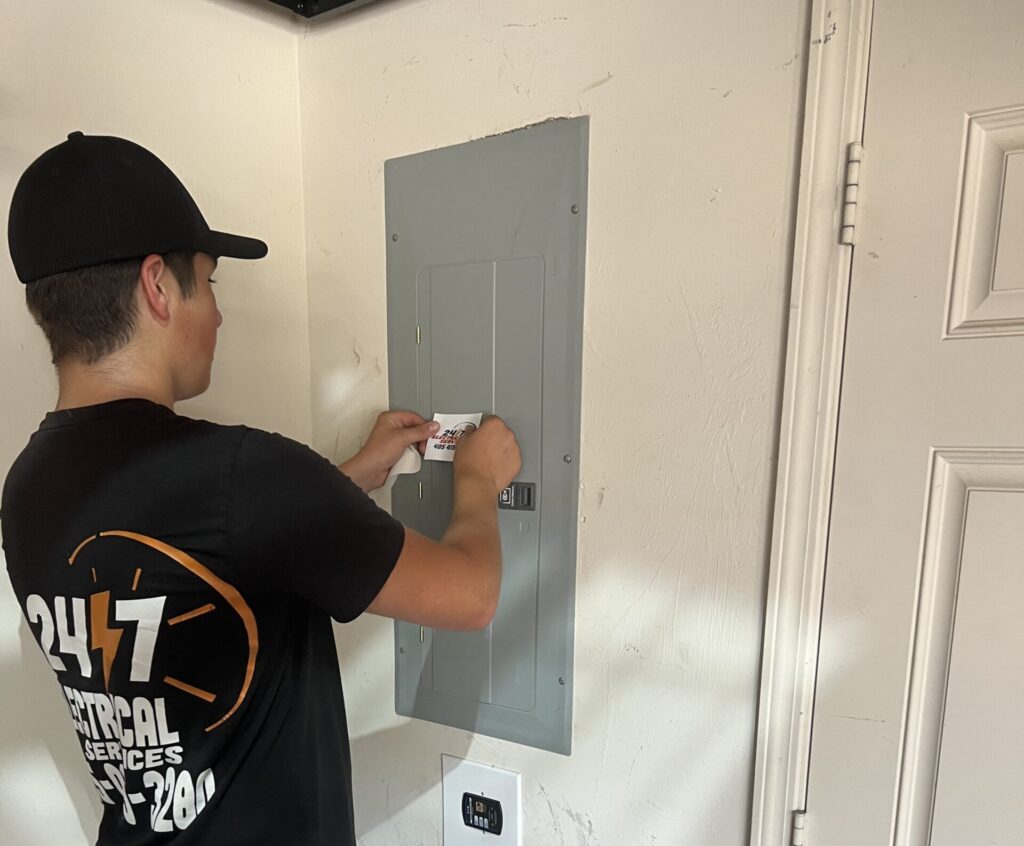
There is also a real safety reason to pair furnace readiness with detector readiness. A cracked heat exchanger or a poorly vented gas furnace can leak carbon monoxide, an odorless and colorless gas that ordinary smoke alarms do not sense. Many households need dedicated carbon monoxide detectors in addition to smoke detectors, especially in homes with gas heating. Combining the two protections gives you coverage against both fire and toxic gas as the furnace returns to daily duty. If you want a full safety check before the season, our team can evaluate your alarms and wiring during a visit. Need a complete safety review? Click here for our electrical inspection service.
How Space Heaters Raise the Risk Your Smoke Detectors Must Catch
Portable space heaters are one of the leading causes of home heating fires every single winter. Families pull them out of storage, plug them into whatever outlet is closest, and place them near beds, curtains, or furniture without a second thought. That combination of high heat, flammable materials, and overloaded circuits creates ideal conditions for a fast moving fire. Your smoke detectors carry the heavy responsibility of catching that fire in the seconds that matter. An alarm with a dead battery or a clogged sensor turns a survivable situation into a tragedy. This is precisely why space heater season and smoke detector maintenance belong together on the same checklist.
Space heaters also strain the electrical system in ways that raise the stakes for your alarms. A single heater can pull a large load, and plugging one into an extension cord or a crowded outlet can overheat the wiring behind your walls. Overheated wiring smolders slowly, often producing early smoke long before flames appear, and that slow smoke is exactly what a healthy detector should sense first. A detector that reacts quickly to that early smoke buys your family precious time to escape and call for help. Bedrooms deserve special attention here, since people run heaters overnight and sleep through the early warning signs. Every sleeping area should have a working alarm inside the room and another just outside the door.
Placement and sensor type make a measurable difference in how well your alarms respond to heater fires. Photoelectric sensors respond faster to smoldering fires, the kind a space heater near fabric tends to produce, while ionization sensors react faster to open flames. Many safety experts recommend dual sensor units, or a mix of both technologies, so your home is covered against either fire behavior. Detectors should sit on the ceiling or high on the wall, away from the direct airflow of the heater itself, to avoid false trips and blind spots. Testing each unit before you rely on heaters all winter confirms the sensors still work. A short inspection now prevents a silent alarm during the coldest nights of the year.
How Fireplace Use Tests Your Home Smoke Detectors
Fireplaces and wood stoves bring open combustion directly into your living space, and that makes nearby smoke detectors work harder than at any other time. Creosote builds up inside chimneys through repeated use, and that buildup can ignite into a dangerous chimney fire. Downdrafts, poor damper function, and green wood all push smoke back into the room instead of up the flue. Your detectors have to distinguish between normal fireplace operation and a genuine emergency, which is a demanding job for an aging sensor. A detector too close to the hearth may nuisance trip, while one placed too far away may respond too slowly. Getting the balance right protects your family without constant false alarms.
Wood burning appliances also release fine particulate and combustion gases that stress both smoke and carbon monoxide detection. A wood stove with a poor seal or a fireplace with a partially closed damper can send carbon monoxide into the room along with smoke. Because carbon monoxide is invisible and has no smell, your family may not notice it until symptoms appear, which is why dedicated detectors are so important near any solid fuel appliance. Placing carbon monoxide alarms on each level and near sleeping areas closes that gap. Testing these units before the first fire of the season is a simple habit that saves lives. Skipping that step leaves your household guessing whether the protection still works.
The interaction between fireplace heat and your home wiring adds one more reason to inspect everything ahead of time. Many older homes have detectors that were installed years ago and never updated to modern interconnected standards. When alarms are interconnected, one triggered unit sounds every alarm in the house, so a fire near the fireplace wakes people in distant bedrooms instantly. Standalone units cannot do this, which leaves parts of the home unprotected during a nighttime fire. Upgrading to interconnected, properly placed detectors dramatically improves your reaction time. If your current setup is outdated, click here for our smoke detector installation service and let a licensed electrician modernize your protection.
How to Inspect and Maintain Your Smoke Detectors Before Heating Season
A quick round of maintenance transforms your smoke detectors from a question mark into a dependable safeguard. Most units give clear signals when they need attention, yet those signals are easy to ignore during a busy fall schedule. Testing, cleaning, and updating your alarms takes far less time than most homeowners expect. The goal is simple: every detector in the home should sound loudly and reliably before you depend on heaters, furnaces, and fireplaces every day. The steps below walk through the practical maintenance every Oklahoma household should complete before heating season begins. Following them closely gives you real peace of mind through the coldest months.
How to Test Your Smoke Detectors Before Heating Season
Testing your smoke detectors starts with the button on the face of each unit, and it should become a monthly habit year round. Pressing and holding the test button should produce a loud, sharp alarm within a few seconds. A weak, muffled, or missing sound tells you the unit needs a new battery or full replacement right away. Walk through every room, hallway, and stairwell so no detector gets skipped, since a single silent alarm can leave an entire wing of the house unprotected. Write down the date of each test so you can track which units are aging. This simple record keeps your whole system accountable heading into the busy heating months.
The audible test confirms the horn works, but it does not fully confirm the smoke sensor itself is responsive. For a deeper check, many homeowners use an approved aerosol smoke detector test spray that simulates real smoke inside the chamber. This method verifies the sensor actually reacts to particles and not just the test circuit. If a detector passes the button test yet fails the smoke test, the sensor has likely degraded and the unit should be replaced. Interconnected systems deserve an extra step, since triggering one alarm should make every other alarm in the home sound within moments. A failure in that chain means the interconnection needs professional attention before winter.
Timing your testing right before heating season gives the results real meaning. Alarms that sat untouched all summer can hide dead backups, dust clogged sensors, and failing units that only reveal themselves under a proper test. Doing this work in early fall means any problem you find can be fixed calmly, rather than during a midnight emergency. Combine your testing with a quick visual check for yellowing, cracks, or a manufacture date older than a decade. A detector that looks tired usually is, and replacing it now is far cheaper than the alternative. Consistent seasonal testing is one of the easiest safety habits any family can build.
How to Replace Smoke Detector Batteries Before Heating Season
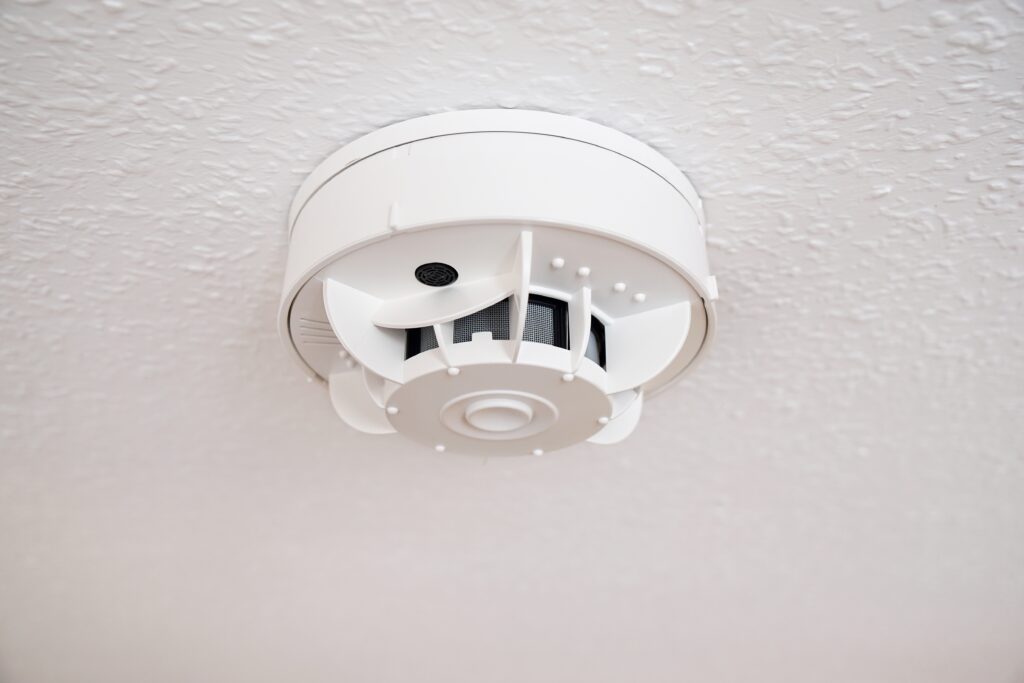
Battery replacement is the most common and most neglected smoke detector task in any home. Traditional units use a nine volt or AA battery that should be swapped at least once a year, and the start of heating season is a perfect reminder date. A chirping detector is already telling you the battery is nearly dead, and that chirp always seems to start in the middle of the night. Replacing the battery before it reaches that point spares your family the interruption and, more importantly, closes a dangerous protection gap. Use fresh, quality batteries rather than partially used ones from a drawer. Cheap or old batteries can drain quickly and leave you exposed within weeks.
Many newer smoke detectors now come with sealed batteries designed to last around ten years. These sealed units remove the yearly battery swap, but they do not remove the need for monthly testing. When a sealed unit begins chirping or fails a test, the entire detector has reached the end of its service life and must be replaced as a whole. Homeowners sometimes try to silence these units without understanding that the alarm is signaling total replacement, which leaves the home unprotected. Knowing which type of detector you own tells you exactly what maintenance each one needs. A mixed home with both types benefits from a clear written schedule so nothing slips through the cracks.
Hardwired detectors add one more layer to the battery conversation, and that layer is easy to overlook. These units run on household power but carry a backup battery for outages, and that backup is the part people forget to replace. During a winter storm, power loss and fire risk often rise at the same time, so a dead backup battery could not fail at a worse moment. Replacing every backup battery before heating season keeps your alarms alive even when the grid goes down. If your hardwired detectors chirp constantly even after fresh batteries, the wiring or the units themselves may need service. A licensed electrician can diagnose the cause quickly and restore full protection.
When to Replace Aging Smoke Detectors Before Heating Season
Smoke detectors do not last forever, and their sensors lose accuracy long before the units stop making noise. Industry guidance and the manufacture date printed on each device both point to the same rule: replace every smoke detector at least once every ten years. Many homeowners have no idea how old their alarms are, which means some homes rely on detectors well past their useful life. Turn a unit over and look for the date stamp on the back, since that single number tells you if the device is still trustworthy. Any detector older than a decade should be replaced now, before you lean on heating equipment every day. Waiting invites a failure at the worst possible time.
Age is not the only reason to replace an alarm, and the warning signs are usually easy to spot once you know them. Yellowing plastic, a cracked housing, frequent false alarms, or a unit that will not stay quiet after a proper battery change all point toward replacement. Detectors exposed to years of dust, humidity, and temperature swings degrade faster than their rated lifespan suggests. A sensor that reacts slowly during testing simply cannot be trusted to protect a sleeping family. Replacing questionable units removes the guesswork and gives you fresh, fully functional protection. The cost of new detectors is minor compared to the safety they provide.
Upgrading aging detectors is also the right moment to modernize your entire system for better coverage. Newer models offer dual sensor technology, interconnection, combined smoke and carbon monoxide detection, and smart home alerts that reach your phone when you are away. Replacing one dying unit with a coordinated, whole home system gives you far stronger protection than a patchwork of mismatched alarms. Proper placement on every level, inside every bedroom, and outside each sleeping area follows current safety standards and closes dangerous gaps. A professional can confirm the right number and location of detectors for your specific floor plan. Modern protection installed correctly today keeps your family safer for the next decade.
Why You Need Professional Smoke Detector Service Before Heating Season
Do it yourself testing handles the basics, but professional smoke detector service delivers a level of protection and confidence that a homeowner cannot match alone. A licensed electrician evaluates the wiring, interconnection, placement, and code compliance of every alarm in your home. That expertise matters most as heating season loads your electrical system and multiplies fire risk. Professional installation also guarantees your detectors meet Oklahoma safety standards and manufacturer requirements. The sections below explain why bringing in a trained electrician before winter is one of the smartest safety decisions a homeowner can make. It protects your family, your property, and your peace of mind.
Why Professional Smoke Detector Installation Protects Your Family
Professional smoke detector installation removes the uncertainty that comes with guessing at placement and wiring. A licensed electrician knows exactly where alarms belong on each level, inside bedrooms, and near stairwells for maximum early warning. They also confirm that hardwired units are properly connected to your circuits and equipped with working battery backups. This attention to detail closes the small gaps that so often cause detectors to fail during a real emergency. Correct installation the first time means your family gets the full protection the equipment was designed to deliver.
Trained electricians also spot related hazards that an untrained eye tends to miss entirely. During an installation visit, they can identify overloaded circuits, aging wiring, or panel issues that raise your overall fire risk during heating season. Catching those problems early prevents the very fires your detectors are meant to warn you about. This combination of prevention and detection gives your household layered protection instead of a single safeguard. Professional service turns a simple device swap into a broader safety upgrade.
Bringing in a professional before heating season also saves you time, frustration, and worry. Instead of standing on a ladder guessing at placement, you get a coordinated system installed correctly in a single visit. Emergencies never wait for a convenient moment, and a home that is properly protected before the cold arrives is a home ready for anything. If you ever face a sudden electrical failure, our team is ready around the clock. Facing an urgent problem? Click here for our emergency electrician service.
Why Interconnected Smoke Detectors Improve Home Safety
Interconnected smoke detectors represent one of the biggest safety improvements a homeowner can make before heating season. In an interconnected system, one triggered alarm makes every alarm in the house sound at the same time. A fire that starts near the furnace or fireplace instantly wakes people sleeping in the farthest bedrooms. Standalone detectors cannot do this, which leaves distant rooms dangerously silent during a nighttime fire. This whole home warning is exactly what saves lives when seconds count.
Modern interconnection can be wired directly or handled wirelessly, and a licensed electrician can recommend the right approach for your home. Wired interconnection suits new construction and major upgrades, while wireless units work well for retrofitting older homes without tearing into walls. Either way, the result is a unified system that treats your entire house as one connected safety network. That coordination matters most in multi level Oklahoma homes where a basement or garage fire needs to reach upstairs bedrooms fast. Professional setup ensures the whole chain functions exactly as intended.
Interconnected systems also pair naturally with modern smart home features for even stronger protection. Many current detectors send alerts to your phone, name the room where smoke is detected, and warn you even when you are away from home. This is a meaningful advantage during travel or long workdays through the busy winter months. Adding carbon monoxide detection to the same connected system covers both fire and toxic gas at once. A professional installer builds all of these layers into one reliable, easy to manage system.
Why Choose 24/7 Electrical Services and Repairs for Smoke Detector Service
24/7 Electrical Services and Repairs is a locally owned, family operated company that treats your safety like our own. We are a licensed Oklahoma electrician, license number 084623, so every installation meets state code and manufacturer standards. Our team knows the homes and heating challenges of McLoud, Shawnee, Oklahoma City, and the surrounding communities. We show up on time, explain your options clearly, and stand behind our work with honest, upfront pricing. Free local estimates mean you know the cost before we ever begin.
Our reputation is built on doing the job right and putting your family first every single time. We back our work with a one year labor warranty and a three year panel warranty, so you can trust the quality long after we leave. As panel upgrade and Generac generator specialists, we bring deep electrical expertise to every smoke detector and safety project we handle. That experience helps us spot hidden risks and correct them before they become emergencies. When you hire us, you get a partner in your home safety, not just a quick service call.
We are available around the clock because electrical emergencies do not follow a schedule, and neither do we. Before heating season loads your furnace, heaters, and fireplaces, let our team make sure your smoke detectors are ready to protect what matters most. Want your alarms and wiring checked by a licensed pro? Click here for our smoke detector installation service and schedule your visit today. You can also reach our friendly team directly at (405) 915-3280 to book an inspection, ask a question, or request a free local estimate. Call today and head into heating season with confidence, comfort, and real protection for your family.