
What Every Homeowner Should Know Before Installing an EV Charger at Home
Buying an electric vehicle is the easy part; powering it at home takes a little planning. A home charger turns your garage or driveway into a private fueling station, and it saves you trips to public charging stations that may be busy or out of service. Many drivers assume they can plug into any outlet and walk away, but most electric vehicles need far more power than a standard wall outlet can safely deliver. The right setup depends on your panel, your wiring, and the daily driving habits of your household. A proper installation protects your home, keeps your warranty valid, and gives you fast, reliable charging every single night. Skipping the planning stage often leads to tripped breakers, slow charge times, and safety hazards that cost more to fix later. This guide walks you through the major decisions, the hidden costs, and the safety steps that matter most. By the end, you will know exactly what to ask before any work begins, and you will feel confident scheduling a professional EV charger installation for your home.
What to Know About Home EV Charger Installation Before You Buy
A home EV charger installation is more than a quick plug-and-go project, and the choices you make early on shape your charging speed for years. Charger types range from basic units that trickle power overnight to faster models that fully charge a battery in a few hours. Your home’s electrical system has to support the unit you pick, so the charger and the panel must work together as one system. Older homes in McLoud, Shawnee, and the surrounding Oklahoma City metro often have panels that were never built with electric vehicles in mind. That gap between an old panel and a modern charger is where most surprises show up during a home EV charger installation. Understanding the basics now helps you avoid buying the wrong charger or paying twice for the same job. The sections below break down the charger choices, the panel demands, and the permit rules that every homeowner should review first.
Choosing the Right EV Charger for Your Home Installation
The first decision in any EV charger installation is the charging level, because it controls how fast your vehicle refuels at home. Level 1 chargers use a standard 120 volt household outlet and add roughly three to five miles of range per hour, which works for very light drivers but frustrates most households. Level 2 chargers use a 240 volt circuit, the same type that powers an electric dryer or range, and they add around twenty to forty miles of range per hour. For a daily commuter or a busy family, a Level 2 unit is almost always the right call, since it fully charges most batteries overnight. The miles of range you need each day should guide your choice, not just the price tag on the box. A charger that seems cheap up front can cost you in slow charging and wasted time over the life of the vehicle. Picking the correct level at the start makes your home EV charger installation a smart long term investment.
Beyond charging speed, you also choose between a hardwired charger and a plug-in model that connects to a dedicated 240 volt outlet. Hardwired units tend to be more weather resistant and are often required for outdoor mounting, which suits driveways and detached garages well. Plug-in models offer easier removal and replacement, which appeals to renters or homeowners who expect to upgrade soon. Smart chargers add features like scheduling, app control, and energy tracking, and they let you charge during off peak hours when electricity rates drop. Some utility programs even offer rebates for smart units, so the extra feature set can pay for itself over time. The amperage rating of the charger matters too, since a 48 amp unit charges faster than a 32 amp unit but demands a stronger circuit. A licensed electrician helps you match the charger features to your real needs and your home’s capacity during the EV charger installation.
Brand and warranty coverage deserve a close look before you commit to any charger. Reliable manufacturers back their units with multi year warranties and clear support lines, which matters when a charger sits outdoors through Oklahoma heat, storms, and winter cold. Connector compatibility is another detail people overlook, because some vehicles use a standard J1772 plug while newer models use the NACS standard. An adapter can bridge the gap in many cases, but confirming the connector type before purchase saves headaches later. You should also check the cable length, since a short cable forces awkward parking and a long cable adds flexibility for either side of the vehicle. Many drivers regret buying a charger online before checking these details with a pro. A quick conversation with your electrician keeps your EV charger installation matched to your car, your garage, and your future plans.
How Your Electrical Panel Affects Home EV Charger Installation
Your electrical panel is the heart of every home EV charger installation, and its capacity decides what your charger can actually deliver. Most panels are rated for either 100 amps or 200 amps, and that number sets the total power available to your entire home at once. A Level 2 charger can pull thirty to fifty amps on its own, which is a large slice of a smaller panel’s budget. When the air conditioner, oven, and dryer run at the same time as the charger, an overloaded panel trips breakers or overheats. That is why an electrician performs a load calculation before installing any charger, to confirm the panel can handle the new demand. Homes with 100 amp service sometimes need an upgrade to support a fast charger safely. Knowing your panel’s rating early prevents nasty surprises in the middle of the project.
Older panels carry their own set of risks that go beyond simple capacity limits. Certain brands of vintage panels are known for faulty breakers that fail to trip during a fault, and these create real fire hazards once you add a heavy load like a charger. Corroded bus bars, loose connections, and outdated wiring all reduce the safe capacity of a panel even when the label says 200 amps. A panel that is already crowded may not have an open slot for the new double pole breaker a charger requires. In those cases, a electrical panel installation or upgrade becomes the smart first step before the charger goes in. Adding a charger to a tired panel is like pouring more water into a leaking bucket. A thorough panel inspection protects your home and clears the path for a clean EV charger installation.
If your panel needs more muscle, a service upgrade raises your home’s total capacity and future proofs it for years of growth. Many older homes were wired long before central air, electric ranges, hot tubs, and electric vehicles became common, so their service simply was not designed for today’s loads. Upgrading from 100 amps to 200 amps gives you room for the charger and any other modern additions you might want down the road. An electrical service upgrade also improves safety by replacing aging equipment that has carried decades of wear. The upgrade involves coordination with the utility, new panel hardware, and proper permitting, so it belongs in the hands of a licensed electrician. Bundling the upgrade with your charger work often saves money compared to doing them as separate trips. A strong panel turns your EV charger installation into a lasting solution rather than a short term patch.
Permits and Code Rules for Home EV Charger Installation
Every home EV charger installation falls under the National Electrical Code, and local jurisdictions enforce those rules through permits and inspections. A permit is not red tape; it is proof that the work meets safety standards and that an inspector reviewed the finished job. Skipping the permit may seem faster, but it can void your homeowner insurance and create problems when you sell the house. Code requires the charger circuit to be sized correctly, protected by the right breaker, and grounded properly to prevent shock and fire. Outdoor installations face extra rules for weatherproofing, conduit, and ground fault protection. A licensed electrician knows these rules cold and pulls the permit as part of the job. That oversight gives you documented, code compliant work that holds up over time.
Grounding and circuit protection sit at the center of EV charging safety codes for good reason. A charger moves a large amount of power for hours at a time, so a fault in the wiring carries serious consequences without proper protection. Ground fault circuit interrupter protection shuts the power off in a fraction of a second when it senses a leak to ground. The code also dictates conductor size, conduit type, and the rating of every connection in the circuit. Aluminum and copper wiring each carry their own rules, and mixing them incorrectly creates loose, overheating connections. These details separate a safe install from a hidden hazard that you never see until something fails. Following code to the letter is the whole point of hiring a professional for your EV charger installation.
Inspections close the loop and give you peace of mind that the work was done right. After the install, a local inspector checks the breaker size, the wiring method, the grounding, and the mounting to confirm everything meets code. A clean inspection report becomes a valuable document for insurance and for any future buyer of your home. Failing to permit the work can mean torn out installs, fines, and rejected insurance claims if a fire ever traces back to the charger. The McLoud and greater Oklahoma City area each have their own permit offices and fee schedules, which a local electrician navigates every week. Trying to handle permits as a homeowner often leads to delays and confusion over which forms apply. Letting your electrician manage the entire permit and inspection process keeps your EV charger installation legal, safe, and fully documented.
Costs and Planning for an EV Charger Installation at Home
The cost of an EV charger installation varies widely, and understanding the pieces helps you budget without sticker shock. The charger unit itself is only one line item; the labor, wiring, panel work, and permits all add to the final number. A simple install in a garage near the panel costs far less than a long wiring run to a detached structure. Panel upgrades, trenching, and conduit work can each raise the total, so a clear estimate matters before any work starts. The good news is that a well planned install often pays for itself through cheaper home charging and fewer trips to public stations. Smart placement and the right circuit size also keep your charger efficient for years. The sections below cover the cost drivers, the best location choices, and the wiring that ties it all together.
What Drives the Cost of an EV Charger Installation
Distance from the panel is one of the biggest cost factors in any EV charger installation. A charger mounted a few feet from the panel needs only a short wire run, which keeps labor and material costs low. A charger on the far side of the garage or in a detached structure requires more wire, more conduit, and more labor to route it safely. Every extra foot of heavy gauge copper adds to the bill, and outdoor runs may need trenching or weatherproof conduit. The path the wiring takes through walls, ceilings, or under the slab also affects the time and difficulty of the job. Finished walls that must be opened and patched add steps that an unfinished garage avoids. Mapping the shortest safe route during planning keeps your installation budget under control.
Panel capacity is the second major driver, since a charger that exceeds your panel’s headroom forces extra work. Homes with plenty of spare capacity simply get a new breaker and circuit, which is the least expensive scenario. Homes that need a panel upgrade or service upgrade face a larger project with utility coordination and new hardware. A subpanel is sometimes the right answer when the main panel is full but the service is strong enough overall. Each of these paths carries a different price, so an honest load calculation prevents wasted money on the wrong fix. Replacing a failing breaker or addressing an electrical panel repair may also be needed before a charger circuit goes in. A clear assessment up front tells you exactly which path your home requires.
Permits, materials, and charger features round out the total cost of the project. Permit fees vary by city and stay relatively small, but they are a required part of safe, legal work. The grade of materials matters too, since heavier wire, weather rated boxes, and quality breakers cost more than bargain parts but last far longer. A smart charger with app control and load management costs more than a basic unit, yet it can lower your electric bills through off peak charging. Rebates from utilities or tax credits sometimes offset part of the price, so it pays to ask about current programs. Labor rates reflect the skill and licensing of the electrician, and cut rate work often hides corners that cost you later. A detailed, upfront estimate from a licensed pro lets you weigh every dollar before your EV charger installation begins.
Where to Place Your EV Charger Installation for Daily Use
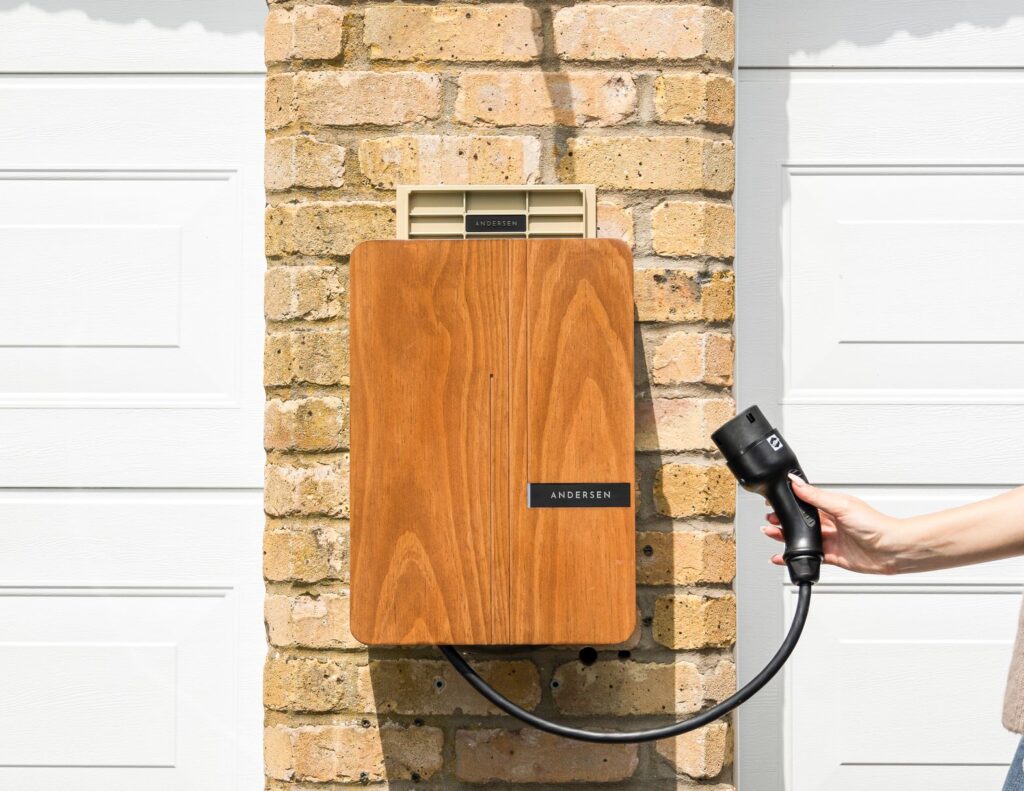
Charger placement shapes your daily routine, so the location deserves real thought during the EV charger installation. The ideal spot puts the charger within easy reach of where you park, on the side of the vehicle that holds the charge port. A charger mounted on the wrong wall forces you to drape the cable across the car or back in awkwardly every night. Cable length plays into this too, since a longer cable adds flexibility but a short one limits parking options. Mounting height also matters for comfort and for keeping the connector clean and dry. Thinking through your daily parking habits before mounting saves years of small frustrations. A good electrician asks how you park and plans the placement around your real routine.
Indoor and outdoor placement each carry their own considerations for an EV charger installation. A garage mount protects the charger from sun, rain, and ice, which extends its life and keeps the unit running smoothly. An outdoor or driveway mount needs a weather rated unit, a proper enclosure, and ground fault protection to handle Oklahoma’s storms and temperature swings. Outdoor installs may also need conduit and a sturdy mounting post if no wall is available nearby. The location should keep the charger away from standing water, lawn equipment, and anywhere a vehicle could strike it. Lighting near the charger adds convenience and safety for nighttime plug-ins. Matching the charger and the mounting method to the location keeps it safe and reliable for the long haul.
Future plans should factor into placement as well, since households often add a second electric vehicle later. Positioning the charger where it can reach two parking spots, or leaving room for a second unit, saves money down the road. A panel with extra capacity supports that growth without another major upgrade later. Some homeowners also plan for solar panels or battery storage, and a smart placement leaves room to tie those systems together. Mounting the charger near the panel keeps wiring runs short and lowers the cost of any future additions. Thinking a few years ahead during the first install pays off when your household grows. A licensed electrician helps you balance today’s needs with tomorrow’s plans for a smarter EV charger installation.
Wiring and Dedicated Circuits for an EV Charger Installation
A dedicated circuit is the backbone of a safe EV charger installation, and it is not optional for a Level 2 charger. A dedicated circuit serves only the charger, so no other appliances share the load or compete for power. Sharing a circuit with other devices leads to overloads, tripped breakers, and overheating that can damage your wiring. The charger’s amperage rating determines the wire gauge and breaker size, and the code sets strict minimums for both. Undersized wire is one of the most dangerous shortcuts in any charger install, since it can overheat under continuous load. A proper dedicated circuit installation gives the charger its own clean path back to the panel. That dedicated path is what makes fast, reliable home charging possible.
Wire sizing follows the rule that an EV charger runs as a continuous load, which means the circuit must be sized above the charger’s rated draw. A 40 amp charger, for example, needs a 50 amp circuit and the matching wire gauge to handle hours of steady current. Copper and aluminum each have their own ampacity ratings, so the electrician selects the conductor that meets code for the exact amperage. The breaker must match the wire and the charger, since an oversized breaker fails to protect the circuit and an undersized one trips constantly. Connections at the breaker, the charger, and any junction must be tight and rated for the load to prevent heat buildup. These calculations are precise, and small errors create real fire risk over time. Leaving the wire and breaker sizing to a licensed electrician keeps your EV charger installation safe under daily use.
Conduit, grounding, and connection quality finish the wiring side of the project. Outdoor and exposed runs require conduit that shields the wire from sun, moisture, and physical damage. Proper grounding ties the charger and circuit to the home’s grounding system so a fault has a safe path to clear. Every termination point must be torqued to spec, because a loose connection on a high current circuit is a leading cause of arcing and fire. The wiring method also has to match the building’s construction, so runs through attics, walls, or slabs each follow their own rules. A neat, code compliant wiring job is the difference between years of trouble free charging and a hidden hazard. Trusting this work to professionals protects both your vehicle and your home for the life of the EV charger installation.
Why You Need a Licensed Electrician for Your EV Charger Installation
A home EV charger installation moves serious power and demands real expertise, so it is not a safe do it yourself weekend project. A licensed electrician brings the training, the code knowledge, and the tools to size the circuit, protect the wiring, and pass inspection the first time. Cutting corners on a high current install risks fire, shock, voided warranties, and rejected insurance claims. The right pro also pulls permits, coordinates with the utility, and documents the work so it holds up for years. That combination of safety, compliance, and reliability is exactly what a charger of this size requires. Hiring a professional protects your investment in both your vehicle and your home.
Safety Benefits of a Professional EV Charger Installation
Safety is the strongest reason to hire a licensed electrician for an EV charger installation. A charger draws heavy current for hours, so any mistake in wiring, grounding, or breaker sizing carries serious consequences. A trained electrician performs a load calculation, confirms your panel can handle the charger, and installs the right protection from the start. Ground fault protection, correct wire gauge, and tight connections all guard against shock and fire. These safeguards are easy to overlook for someone without the proper training and tools.
A professional also spots existing problems that a homeowner would never notice during a charger install. Aging panels, loose connections, corroded bus bars, and outdated wiring all become bigger risks once a charger adds steady load. Catching those issues before they fail prevents a small problem from turning into a major hazard. A licensed electrician fixes or flags these concerns as part of a thorough EV charger installation. That careful review gives you a system you can trust every night.
Code compliance ties directly to safety, and only a licensed pro guarantees the work meets every standard. The National Electrical Code exists to prevent fires, shocks, and equipment failures, and each rule has a real safety reason behind it. An inspection confirms the install meets those standards and protects your insurance coverage. Skipping that step leaves you exposed to risk and to claims that may be denied later. A professional EV charger installation keeps your family, your home, and your vehicle protected.
Long Term Value of a Proper EV Charger Installation
A proper EV charger installation pays you back through years of fast, dependable home charging. Charging at home overnight costs far less than relying on public stations, and it removes the hassle of waiting at a crowded charger. A correctly sized circuit charges your vehicle at full speed, so your car is ready every morning. That convenience adds up over the thousands of charges your vehicle will need across its life. The savings and the time you reclaim make a quality install a smart financial move.
A professional install also protects the value of your home and your equipment. A code compliant charger backed by a clean inspection becomes a selling point for future buyers shopping for an electric vehicle ready home. Quality wiring and a healthy panel reduce the chance of breakdowns, repairs, and replacement costs down the road. Buyers and inspectors both look favorably on documented, permitted electrical work. A well done EV charger installation adds lasting appeal to your property.
Planning for the future is part of the long term value a professional brings. A licensed electrician sizes your panel and wiring with room for a second vehicle, solar, or battery storage later. That foresight saves you from a second major project when your needs grow. Quality materials and careful workmanship mean the charger keeps running smoothly through Oklahoma’s heat and cold. Investing in a proper install once is far cheaper than fixing a rushed job twice.
Why Choose 24/7 Electrical Services and Repairs for Your EV Charger Installation
24/7 Electrical Services and Repairs is a licensed, locally owned, and family operated electrical company serving McLoud and the greater Oklahoma City metro. We are panel upgrade and Generac generator specialists, and we bring that same care and precision to every EV charger installation. Our work is backed by a one year labor warranty and a three year panel warranty, so you can trust the results long after the job is done. We hold Oklahoma electrician license number 084623, and we follow code on every install we perform. Our honest, upfront pricing means you know the cost before any work begins.
We treat your home and your safety the way we would treat our own, and our ethos guides every decision we make. From the first load calculation to the final inspection, we handle the permits, the wiring, and the cleanup so you never have to. Our team explains your options in plain language and helps you pick the charger and circuit that fit your home and your driving habits. We also offer free local estimates, so you can plan your project with confidence. When you need it most, our 24/7 emergency electrical service is ready to respond.
Ready to charge your electric vehicle at home the safe way? Schedule your professional EV charger installation with the team that puts safety, quality, and honest pricing first. We will assess your panel, size your circuit correctly, and handle every permit and inspection from start to finish. Call 24/7 Electrical Services and Repairs today at (405) 915-3280 to book your free local estimate and get your home ready for the road ahead.