
The Truth About Power Strips and How to Avoid Overloading Them
Power strips sit behind almost every desk, entertainment center, and kitchen counter in Oklahoma homes, yet most people never stop to think about how much electricity those small plastic bars can safely handle. Summer makes the situation far more serious. When the heat climbs across McLoud, Shawnee, and Oklahoma City, families plug in window units, box fans, dehumidifiers, gaming consoles, and a long list of devices that all pull power at the same moment. A single power strip was never engineered to carry that kind of steady, heavy load for hours on end. Overloading one builds up real heat inside the housing, and heat near plastic, contacts, and wiring is one of the most common ways household electrical fires begin. The frustrating part is that homeowners rarely see the danger coming, because a power strip can look perfectly fine right up until it fails. The encouraging news is that nearly every power strip problem is preventable with a few smart habits and a clear understanding of the limits. This guide breaks down what a power strip truly does, where people go wrong without realizing it, and how to keep your family safe through the hottest months of the year. By the end, you will know exactly when a power strip is helping you and when it is quietly putting your home at risk.
How Power Strips Work and Why Overloading Them Causes Problems
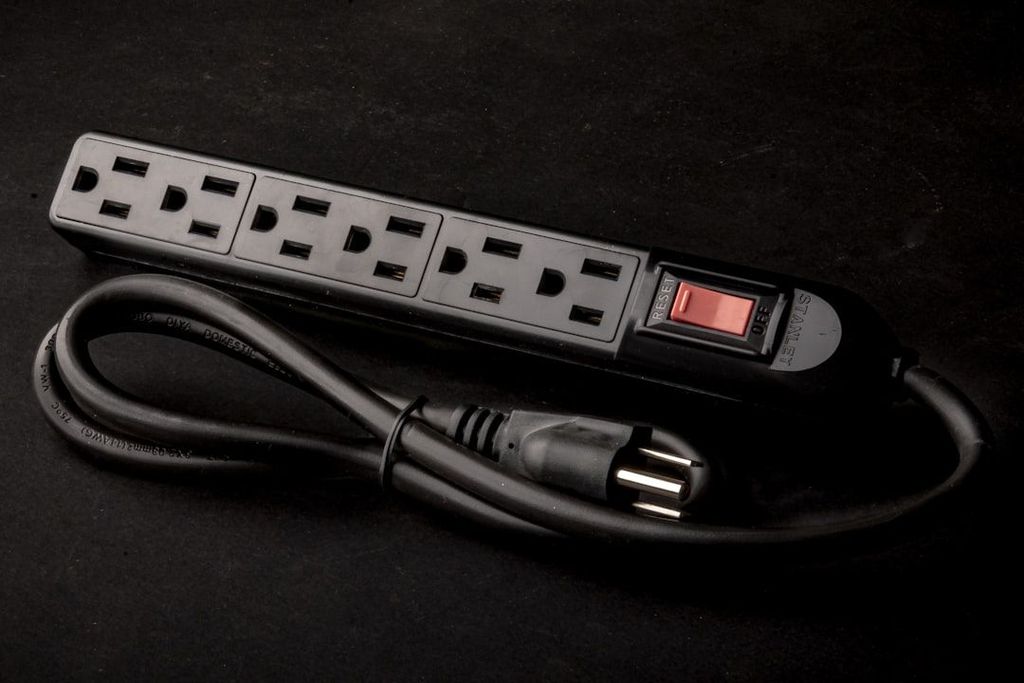
A power strip is a convenience device, not a magic source of extra electricity, and that single fact explains most of the trouble people run into. When you plug a strip into the wall, it simply splits one outlet into several, but every device you add still draws from that same circuit behind the wall. Most household circuits in Oklahoma homes are rated for 15 or 20 amps, and a typical power strip is built to handle around 15 amps at most. Push past that ceiling and the wiring, the strip, and the outlet all start to heat up under the strain. Many homeowners also confuse a basic power strip with a true surge protector, even though they are not always the same thing. Understanding the difference between capacity, surge protection, and simple convenience is the foundation for using these devices the right way. Once you grasp how the load actually flows, avoiding an overload becomes far easier.
Understanding How Power Strips Handle Electrical Load
Electricity flows in a continuous loop, and a power strip is just one stretch of that loop with several outlets attached to it. The wall outlet feeds the strip, the strip feeds your devices, and the circuit breaker in your panel watches over the entire path for signs of trouble. A standard 15 amp circuit running at 120 volts can deliver roughly 1,800 watts at its absolute maximum, but electricians plan for continuous loads to stay near 80 percent of that figure for safety. That means the realistic working ceiling sits closer to 1,440 watts before you are asking for problems. The power strip itself does nothing to raise that limit, because it cannot create power that the circuit does not already supply. Every device you plug in adds its wattage to the running total, and those numbers climb quickly during summer when cooling equipment runs nonstop. When the total demand stays comfortably under the limit, the strip stays cool and everything works as intended. When the demand creeps toward or past the ceiling, heat builds inside the strip and inside the wall, and that is the exact condition you want to avoid.
The components inside a power strip are modest by design, which is part of why overloading them is so risky. Thin metal contacts, small internal conductors, and a single cord connect everything back to the wall, and none of those parts can carry unlimited current. Quality strips carry a UL listing, which means an independent lab tested them against recognized safety standards before they reached store shelves. Cheaper, unlisted strips often use lighter materials that heat up faster and fail sooner under the same load. The cord that connects the strip to the wall is frequently the weakest link, especially the lighter gauge cords found on bargain models. Many people also run that cord under rugs or behind furniture, which traps heat and prevents the strip from shedding warmth the way it should. A strip working near its limit in a cramped, hot space is a recipe for a melted housing or worse. Treating the strip as the limited tool it really is keeps your expectations and your safety in the right place.
Knowing the wattage of your everyday devices turns this from guesswork into a quick mental check. A laptop charger might draw 65 watts, a phone charger a few watts, and a small fan around 50 watts, all of which are easy and safe to combine. A space heater, by contrast, can pull 1,500 watts entirely on its own, which devours nearly the whole circuit in one shot. Window air conditioners, microwaves, hair dryers, and toaster ovens all live in that same high demand category. When you add several heavy hitters to one strip, the total races past the safe ceiling before you ever notice a problem. Reading the small label on each device or its power adapter shows you the watts or amps it pulls. A few seconds of math, or a willingness to keep heavy appliances off the strip entirely, prevents the overload before it starts. This simple awareness is the single most effective habit for staying safe.
The Real Dangers of Overloading Power Strips in Your Home
Overloading a power strip is not a minor inconvenience, because the consequences land squarely in the category of fire and property damage. When current pushes past what the strip can handle, the internal contacts and conductors heat up well beyond their safe operating range. That heat softens plastic, scorches insulation, and can ignite nearby dust, paper, carpet, or curtains in the right conditions. Electrical fires that start this way often smolder quietly inside a wall or behind furniture before anyone smells smoke. Summer raises the stakes even higher, because a home already warm from the outside heat gives the strip far less room to cool itself. Insurance investigators across the country trace a meaningful share of home fires back to overloaded outlets and strips every single year. The danger is real, it is documented, and it is entirely preventable with better habits.
Beyond the fire risk, overloading damages the devices you are trying to power in the first place. An overloaded strip can deliver inconsistent voltage to your electronics, and unstable power shortens the life of sensitive equipment. Computers, televisions, gaming systems, and networking gear all suffer when they receive dirty or fluctuating power for long stretches. A basic strip with no surge protection offers no defense against the voltage spikes that ride in during Oklahoma thunderstorms. One strong surge can fry a circuit board in an instant and leave you replacing hundreds of dollars of equipment. People often blame the device or bad luck when the real culprit was an overloaded, unprotected strip. Protecting your electronics starts with respecting the load limits and choosing real surge protection where it matters. If storm season has you worried about your gear, our whole house surge protection service defends every outlet in the home at once.
Daisy chaining is one of the most dangerous overloading mistakes, and it happens constantly in homes that are short on outlets. Plugging one power strip into another power strip, or running a strip off an extension cord, stacks load upon load on a single wall outlet. This practice violates standard electrical safety guidance and the listing terms of nearly every strip on the market. Each link in that chain adds resistance and heat while hiding the true total demand from view. The breaker may not trip in time because the load is spread in a way that masks the danger until something melts. Fire departments and safety organizations specifically warn against this setup for exactly that reason. The convenience of one more outlet is never worth the risk of a fire in your wall. When you find yourself reaching for a second strip, that is the moment to stop and rethink your setup completely.
Warning Signs You Are Overloading Your Power Strips
Your home usually tells you when a power strip is in trouble, and learning those signals can prevent a small problem from becoming a disaster. A warm or hot power strip is the clearest warning, because a strip handling a safe load should stay close to room temperature. If the plastic feels warm to the touch, something connected to it is drawing more current than the strip wants to carry. A faint smell of melting plastic or a burning odor near the strip is an emergency that calls for immediate action. Discoloration, scorch marks, or a deformed housing around the outlets all point to heat damage that has already begun. Any of these signs means you should unplug devices right away and stop using that strip. Catching the warning early is the difference between a quick fix and a fire.
Behavior at your electrical panel offers another set of clues that you may be overloading your circuits. A breaker that trips repeatedly when you use certain devices together is doing its job, telling you the load is too high for that circuit. Lights that flicker or dim when a large appliance switches on often mean the circuit is straining near its limit. Buzzing sounds from outlets or the strip itself signal loose connections or excessive current flow. You may also notice that devices charge slowly or run weakly when the circuit is overtaxed. These symptoms tend to show up more in summer, when cooling equipment piles extra demand onto circuits that already serve daily electronics. Paying attention to how your home reacts under heavy load gives you an early warning system built right into the house. Ignoring these signs only allows the underlying problem to grow worse over time.
Physical wear on the strip and its cord deserves regular attention, especially for strips that have been in service for years. Frayed cords, cracked housings, and bent or loose outlets all reduce the strip’s ability to handle load safely. A strip that has been stepped on, pinched under furniture, or yanked from the wall by its cord may carry hidden internal damage. Loose plugs that fall out of the strip with the slightest movement indicate worn contacts that generate heat through poor connection. Older strips also lose surge protection capacity over time, since the protective components inside wear down with each spike they absorb. A strip that protected your gear five years ago may offer little real protection today. Replacing aging strips before they fail is far cheaper than replacing electronics or repairing fire damage. When in doubt, retire the old strip and start fresh with a quality, properly rated replacement.
How to Avoid Overloading Power Strips Safely
Avoiding an overloaded power strip comes down to a handful of habits that quickly become second nature once you understand them. The core idea is simple: keep the total demand on any strip well below its rated limit and never ask a strip to do a job meant for a wall outlet. Heavy appliances belong in dedicated outlets, while strips work best for low draw electronics that benefit from surge protection. Choosing the right strip for the right task matters just as much as watching the load you place on it. When your home genuinely lacks enough outlets, the real solution is more outlets, not more strips. These practical steps protect your family, your home, and your electronics all at the same time. Building these habits now sets you up for a safer summer and beyond.
Smart Habits to Avoid Overloading Power Strips
The first habit is to keep high draw appliances off power strips entirely, because those devices belong in their own wall outlets. Space heaters, window air conditioners, microwaves, refrigerators, toaster ovens, and hair dryers all pull enough current to overwhelm a strip on their own. Plug these directly into a wall outlet, and give each one room rather than crowding it next to other heavy users. This single rule eliminates the majority of dangerous overload situations in the average home. Summer cooling equipment in particular should always run from a proper wall outlet rated for the job. When a high draw device is the only thing you want to power, the wall is its home, not a strip. Keeping these appliances off strips is the easiest and most effective safety habit you can adopt.
The second habit is to do quick mental math on everything you plug into a single strip. Group only low demand devices together, such as phone chargers, laptops, routers, lamps, and small fans, all of which sip power compared to appliances. Glance at the wattage or amp ratings printed on each device or its adapter, and keep the running total comfortably below the strip’s rating. A strip rated for 15 amps should never be loaded right up to that number, since a safety margin protects you from spikes and surprises. Spreading devices across multiple circuits in the room, rather than one strip, also balances the load more sensibly. Avoid the temptation to fill every outlet on the strip just because the slots exist. Leaving headroom is not wasted space; it is the buffer that keeps the strip cool. A little planning here prevents a lot of risk later.
The third habit is to give every strip room to breathe and inspect it from time to time. Never run a power strip under a rug, behind a tight bookshelf, or buried under a pile of cords where heat cannot escape. Position strips in open air where you can see them and feel for warmth during heavy use. Refuse to daisy chain strips together or run them off extension cords, since stacking loads is how the worst overloads happen. Check cords and housings every few months for fraying, discoloration, or damage, and replace anything that looks worn. Unplug strips that power nothing, because an idle strip still draws a small standby load and offers nothing in return. These small routines cost almost nothing and add a real layer of protection to your home. Consistency with these habits keeps your power strips working the way they were designed to work.
Choosing the Right Power Strip to Avoid Overloading
Not every power strip offers the same protection, and choosing wisely starts with looking for a UL listing on the package. That listing means an independent safety lab tested the product against recognized standards, which separates trustworthy strips from risky bargain models. A true surge protector, rated in joules, defends your electronics from the voltage spikes that come with Oklahoma storms, while a plain strip does not. Higher joule ratings absorb larger surges, so look for a strip with a rating that matches the value of the gear you are protecting. A strip with a built in circuit breaker adds another layer of safety by cutting power before an overload turns dangerous. Spending a few extra dollars on a quality strip pays for itself the first time it stops a surge or prevents an overload. The cheapest strip on the shelf is almost never the safest choice for your home.
The features of the strip should match the way you actually plan to use it. A workstation with several electronics benefits from a surge protector with enough outlets and adequate spacing for bulky adapters. Entertainment centers, with their valuable televisions and consoles, deserve a strip with a strong joule rating and a clear warranty. For simple jobs like a couple of lamps and a phone charger, a basic listed strip handles the task without overkill. Cord length matters too, since a strip placed where its cord can lie flat and uncrowded stays cooler and safer. Some strips include indicator lights that confirm the surge protection is still active, which is a helpful feature as the unit ages. Matching the strip to its purpose prevents both wasted money and dangerous shortcuts. Thoughtful selection is part of using these devices responsibly.
Replacement timing is the final piece of choosing strips wisely, because no strip lasts forever. Surge protectors wear down each time they absorb a spike, and their protective capacity fades over months and years of service. A strip that has weathered several storm seasons may no longer shield your electronics, even though it still powers them. Indicator lights help, but a strip without one offers no clear sign that its protection has expired. As a general rule, plan to refresh surge protectors every couple of years, and sooner if they have absorbed a major surge. Damaged, discolored, or warm running strips should retire immediately regardless of age. Keeping a quality, current strip in service is a small expense that protects far more valuable equipment. A reliable strip is only reliable when you keep it reasonably new.
When to Add Outlets Instead of Overloading Power Strips
Power strips solve a temporary shortage of outlets, but they were never meant to be a permanent fix for an under wired room. When you find yourself relying on strips in every corner, the real message is that your home needs more outlets. Homes built decades ago were wired for a fraction of the electronics families use today, which leaves modern households constantly short on receptacles. Stretching a few wall outlets across a houseful of devices forces strips to carry loads they should not carry. Adding properly installed outlets puts that demand back where it belongs, directly on the home’s wiring and breakers. This is a permanent improvement that removes the daily temptation to overload a strip. If your rooms feel starved for outlets, more receptacles are the lasting answer rather than another strip.
Certain high demand areas of the home should never depend on strips at all, and those spots often call for dedicated circuits. A dedicated circuit serves a single appliance with its own breaker, which prevents that appliance from competing with anything else for power. Window air conditioners, large entertainment systems, home offices full of equipment, and garage gear all benefit from this approach. Running these heavy loads on their own circuit eliminates the tripped breakers and warm strips that come from overcrowding. It also frees up your existing outlets for the lighter, everyday devices that strips handle well. A professional can map your home’s demand and recommend exactly where dedicated circuits make the biggest difference. If a particular room keeps tripping breakers each summer, a dedicated circuit installation often solves the problem for good.
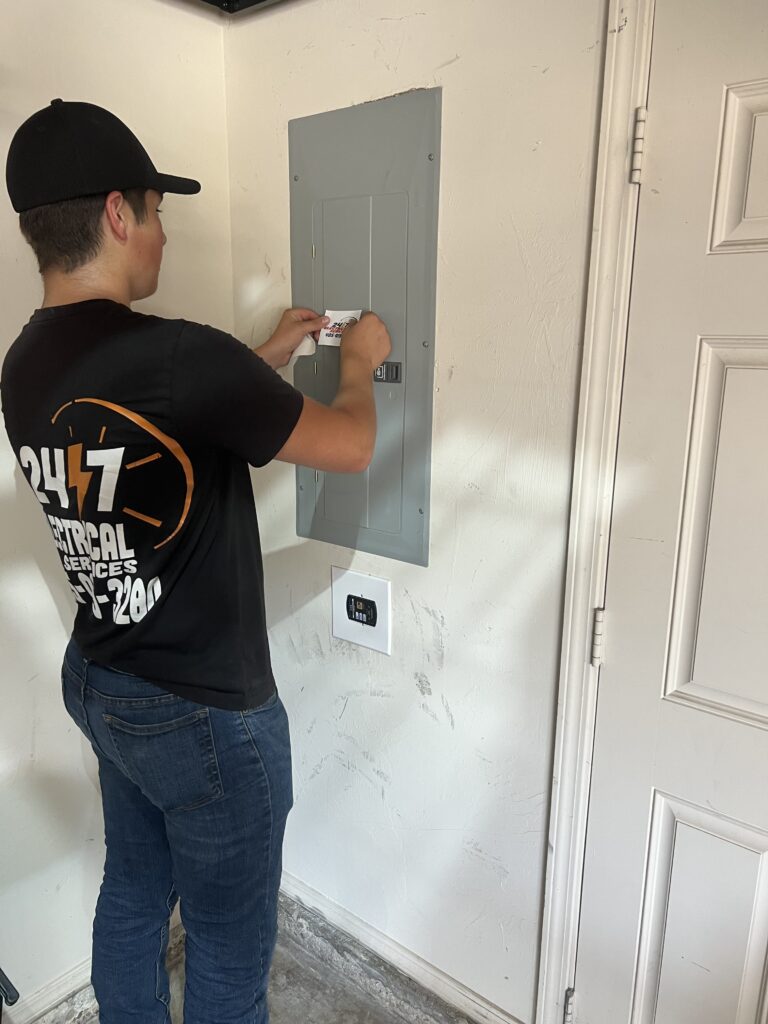
Knowing the limits of do it yourself work matters here, because outlet and circuit changes touch the core of your home’s electrical system. Adding outlets, running new circuits, and upgrading panels are jobs that demand a licensed electrician and proper permits. Mistakes in this kind of work create fire hazards, code violations, and problems that surface during a future home sale. A trained electrician sizes wire correctly, balances loads across the panel, and ensures every connection meets current code. That expertise protects your family and your investment in ways that no power strip can match. Trying to shortcut this work to save money often costs far more in damage and repairs down the road. When the answer to overloaded strips is more outlets, the safe path runs through a qualified professional every time.
Why You Need a Licensed Electrician to Prevent Power Strip Overloads
Power strips are a small part of a much larger electrical system, and overload problems often point to deeper issues a professional should address. A licensed electrician sees the full picture, from the panel to the outlets to the way your daily habits stress each circuit. When strips keep running warm or breakers keep tripping, the root cause usually lives in the wiring or the capacity of the home itself. Trying to manage these symptoms with more strips only delays the real fix and keeps the risk alive. A trained electrician diagnoses the actual problem and solves it at the source, which is where lasting safety comes from. For Oklahoma homeowners heading into the demanding summer months, that professional guidance is well worth the call. The right help turns a recurring worry into a settled, safe setup.
Why Professional Help Stops Power Strip Overloading Problems
A licensed electrician brings the tools and training to measure exactly how much load each circuit carries in your home. Rather than guessing about wattage and amps, a professional can test your panel and outlets to find where demand runs too high. That precise diagnosis reveals which circuits are overworked and which still have room to spare. From there, the electrician can rebalance loads, add outlets, or install dedicated circuits to relieve the strain. This kind of targeted work removes the conditions that force strips into overload in the first place. The result is a home that handles modern electrical demand without warm strips or nuisance trips.
Professional work also brings your electrical system up to current safety codes, which protects your family and your home’s value. Codes exist because they reflect decades of lessons learned from real fires and failures, and a licensed electrician knows them thoroughly. Outdated wiring, undersized panels, and missing protection devices all get caught and corrected during professional work. An electrician can install GFCI and other protective outlets where the code now requires them, adding a real safety margin. These upgrades do far more than any power strip to guard against shock and fire. Bringing your home in line with code is an investment that pays off in safety and peace of mind for years.
The convenience of professional help should not be overlooked, especially when an overload becomes an emergency. A warm strip, a burning smell, or a breaker that will not reset can signal a serious hazard that needs fast attention. A licensed electrician responds with the knowledge to find and fix the danger before it grows. Attempting to chase these problems on your own often misses the underlying cause and leaves the risk in place. For urgent situations, our emergency electrician service is available around the clock to keep your family safe. Knowing reliable help is a phone call away changes how confidently you can handle an electrical scare.
How an Electrical Inspection Prevents Power Strip Overloads
A professional electrical inspection is one of the smartest steps you can take to get ahead of overload problems. During an inspection, an electrician examines your panel, wiring, outlets, and overall load to spot weaknesses before they cause trouble. This proactive look reveals overcrowded circuits, aging wiring, and outlets that struggle under the demands of a modern home. Catching these issues early means you address them on your schedule rather than during an emergency. For older Oklahoma homes especially, an inspection often uncovers hidden risks that strips have been masking for years. Knowledge of your system’s true condition lets you make smart choices about outlets, circuits, and upgrades.
An inspection also gives you a clear roadmap for eliminating the need to overload strips at all. The electrician can show you exactly where additional outlets or dedicated circuits would relieve your most stressed areas. That guidance turns a vague worry about your wiring into a concrete plan you can act on. Many homeowners discover that a few targeted upgrades remove the daily juggling of strips and extension cords entirely. Heading into summer, an inspection ensures your home is ready for the heavy cooling loads ahead. A small inspection fee today can prevent far larger repair and replacement costs tomorrow. If you want real peace of mind, our electrical inspection service gives your home a thorough, professional review.
Regular inspections protect more than your safety, because they also support your home’s value and your insurance standing. A documented, up to date electrical system reassures buyers and inspectors during a sale. Insurance providers also look more favorably on homes that meet current electrical codes and standards. Skipping inspections leaves hidden problems to grow until they force an expensive emergency or fail at the worst possible time. A licensed electrician provides the documentation and confidence that comes from a system reviewed by an expert. Treating inspections as routine maintenance, rather than a last resort, keeps your home safer and more valuable. The modest investment in regular checks returns far more than it costs.
Why Choose 24/7 Electrical Services and Repairs
24/7 Electrical Services and Repairs is a locally owned and family operated company that treats your home the way we would treat our own. As a licensed Oklahoma electrician, license number 084623, we bring proper training, permits, and accountability to every job we take. We specialize in panel upgrades and Generac generator installation, and we handle the outlet and circuit work that keeps power strips from ever becoming a hazard. Our honest, upfront pricing means you know what to expect before any work begins, with free local estimates for the families we serve. From McLoud and Shawnee to Oklahoma City, Norman, Edmond, and the surrounding communities, we are the neighbors you can count on.
Our commitment to doing the job right shows up in the warranty we stand behind on every project. We back our work with a one year labor warranty and a three year panel warranty, because we trust the quality of what we install. That confidence comes from years of hands on experience solving real electrical problems for Oklahoma homeowners. When you call us, you reach a team that explains the issue in plain language and respects both your time and your budget. We never push unnecessary work, and we never cut corners that put your family at risk. Earning your trust matters more to us than any single job, and that ethos guides everything we do.
When power strips keep running warm, breakers keep tripping, or you simply want a safer setup before summer peaks, we are ready to help. Our 24/7 emergency electrical service means real help is available any hour of the day or night when you need it most. We will inspect your system, find the true source of the overload, and build a lasting solution that fits your home. Reach out today for a free local estimate and let our family take care of your family. Call 24/7 Electrical Services and Repairs at (405) 915-3280, and put your power strip worries to rest for good.