
Why Your Outlets Feel Warm to the Touch and When to Worry
A warm outlet can catch you off guard during the hottest stretch of an Oklahoma summer. You plug in a fan or a window unit, and the faceplate feels warmer than the wall around it. Sometimes that warmth is harmless, and sometimes it points to a real hazard hiding behind the cover plate. The difference matters, because heat at an outlet is one of the leading early signs of an electrical problem that can grow into a fire. Summer pushes your home electrical system harder than any other season, since air conditioners, pool pumps, and extra appliances all pull heavy current at the same time. Knowing what normal warmth feels like, and what dangerous heat feels like, gives you the power to protect your family. This guide breaks down the common reasons outlets feel warm to the touch and the moments that call for an electrician. By the end, you will know when to relax and when to shut the power off and pick up the phone.
What Causes Outlets to Feel Warm to the Touch
Outlets are simple devices, yet they carry every bit of current that flows to your plugged in appliances. When that current meets resistance, heat builds up at the point of contact. A small amount of warmth on an outlet that powers a heavy load can fall within a normal range. Real trouble starts when the heat climbs higher than a faint warmth, or shows up on an outlet that powers very little. Several issues create that excess heat, and most trace back to connections, load, or age. A loose wire, an overloaded circuit, or a tired receptacle each generate heat in its own way. Understanding these causes helps you judge how serious the warmth really is. The sections below walk through the three most common culprits our electricians find on service calls.
Loose Wiring Connections That Make Outlets Feel Warm
Loose wiring connections rank as the most common reason an outlet feels warm to the touch. Every receptacle holds two main points where wires attach, and those points must stay tight to pass current cleanly. When a screw terminal loosens over time, the wire and the metal contact no longer press together firmly. That gap forces electricity to jump across a tiny space, which creates resistance and heat. The heat then spreads into the body of the outlet and out to the faceplate where your hand can feel it. Vibration, thermal cycling, and years of use all work screws loose little by little. A connection that started tight on installation day can drift loose a decade later without anyone noticing. Loose connections also tend to worsen, since each cycle of heating and cooling expands and contracts the metal a bit more.
Backstabbed connections deserve special attention when an outlet feels warm to the touch. Many builders save time by pushing wires into small spring loaded holes on the back of a receptacle instead of wrapping them around the screws. These push in connections rely on a thin metal tab to grip the wire, and that grip weakens far faster than a proper screw terminal. Over time the spring loses tension, the contact area shrinks, and resistance climbs. This is why so many warm outlets in newer construction trace back to backstabbed wiring rather than any fault of the homeowner. An electrician can move the wires from the push in holes to the screw terminals and restore a solid connection. That simple change often drops the operating temperature of an outlet back to normal. We see this fix solve warm outlet complaints on a regular basis across the Oklahoma City metro.
Aluminum wiring adds another layer of risk to loose connection heat. Homes built in the 1960s and 1970s often used aluminum branch wiring, which behaves differently than the copper used today. Aluminum expands and contracts more under load, so its connections loosen more easily over the years. It also forms an oxide layer that resists current flow and raises the temperature at the terminal. An aluminum connection that overheats can char the wire insulation and the receptacle body well before any visible damage appears. Special connectors and approved repair methods exist to make aluminum wiring safe, but the work belongs in the hands of a licensed electrician. If your home is older and your outlets run warm, an inspection can confirm the wiring type and the right path forward. A professional eye catches these hazards long before they turn into a wall fire. Worried about hidden wiring problems behind your outlets? Click here for our electrical inspection service.
Overloaded Circuits That Make Outlets Feel Warm
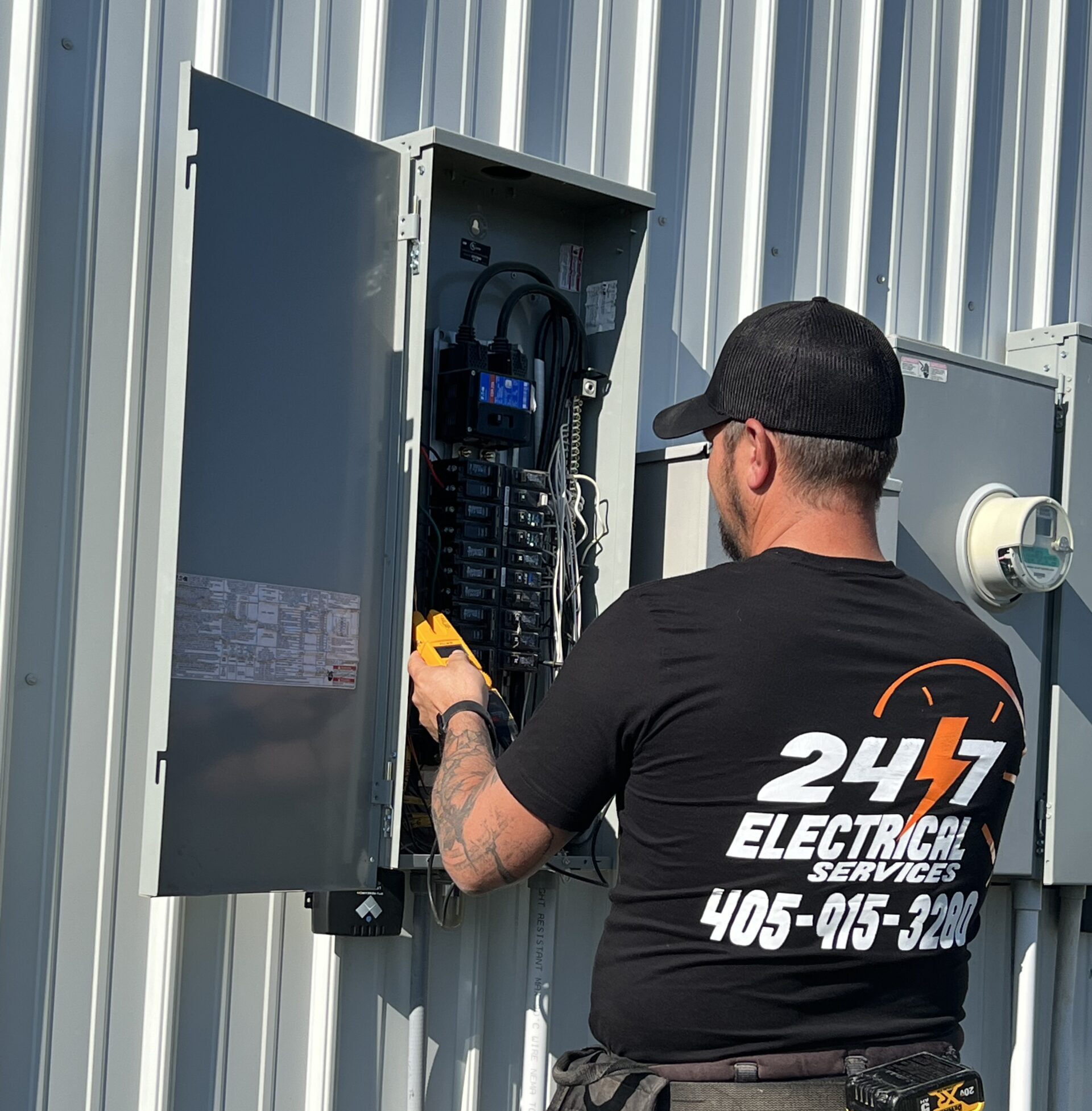
Overloaded circuits make outlets feel warm by pushing more current through the wiring than it was built to carry. Every circuit in your home connects to a breaker rated for a specific amount of current, usually fifteen or twenty amps. The wires, outlets, and breaker all share that rating as a safe limit. When you plug too many high demand devices into one circuit, the total current climbs toward and past that limit. Wires carrying near their maximum load heat up along their entire length, and outlets sit right in that path. A space heater, a microwave, and a hair dryer on the same circuit can easily overwhelm it. Summer raises this risk, because window air conditioners and portable fans draw steady current for hours at a time. The outlet feeding that load becomes the spot where you first feel the strain as warmth.
Daisy chained power strips and extension cords compound the overload problem. People often plug one power strip into another to gain more outlets in a crowded room. Each added device draws from the same single circuit, and the outlet at the wall carries the full combined load. That wall outlet was never meant to act as the hub for an entire entertainment center or home office. The constant heavy draw heats the receptacle contacts and the wiring behind it. Cheap extension cords make matters worse, since their thin conductors add resistance and trap even more heat. A warm outlet in a room packed with electronics usually points straight to this kind of overload. The fix often involves adding a dedicated circuit so the heavy load gets its own protected path.
A properly working breaker should trip before an overload turns dangerous, yet warmth can appear well before that point. Breakers protect against large, fast surges and sustained overcurrent, but they allow currents near the limit to flow for long periods. A circuit loaded to ninety percent of its rating will run hot without ever tripping the breaker. That steady heat is exactly what you feel at a warm outlet during a busy summer evening. Spreading your devices across multiple circuits often solves the problem and brings the temperature back down. When a home simply lacks enough circuits for modern demand, an electrician can add capacity to the panel. A circuit breaker upgrade or a new dedicated line gives heavy appliances the room they need. This kind of planning keeps outlets cool and keeps your family safe through the hottest months.
Worn Out Receptacles That Make Outlets Feel Warm
Worn out receptacles make outlets feel warm because their internal contacts lose grip over many years of use. Inside every outlet sit metal contacts that clamp onto the prongs of whatever you plug in. Those contacts start firm and springy, holding each plug tightly for a clean flow of current. Thousands of plug and unplug cycles slowly bend and wear that metal until it no longer grips well. A loose grip means a smaller contact area, more resistance, and more heat right at the face of the outlet. You may notice plugs that slide out easily or hang loosely, which signals worn contacts inside. An outlet in this condition feels warm even under a light load that should produce no heat at all. Replacing a worn receptacle is a quick repair that restores a tight, cool connection.
Heat damage from past problems can leave a receptacle permanently compromised. Once an outlet has overheated, the plastic body can soften, discolor, or warp around the contacts. Burn marks, a melted smell, or brown staining on the faceplate all reveal that damage has already occurred. A receptacle in this state can never return to safe operation, even if the original cause gets fixed. The weakened plastic no longer holds the contacts in the right position, so resistance and heat continue. Continuing to use a heat damaged outlet invites arcing inside the wall, which is a direct fire risk. Any outlet showing scorch marks should be taken out of service until an electrician replaces it. We always recommend full replacement rather than a patch when heat damage is visible.
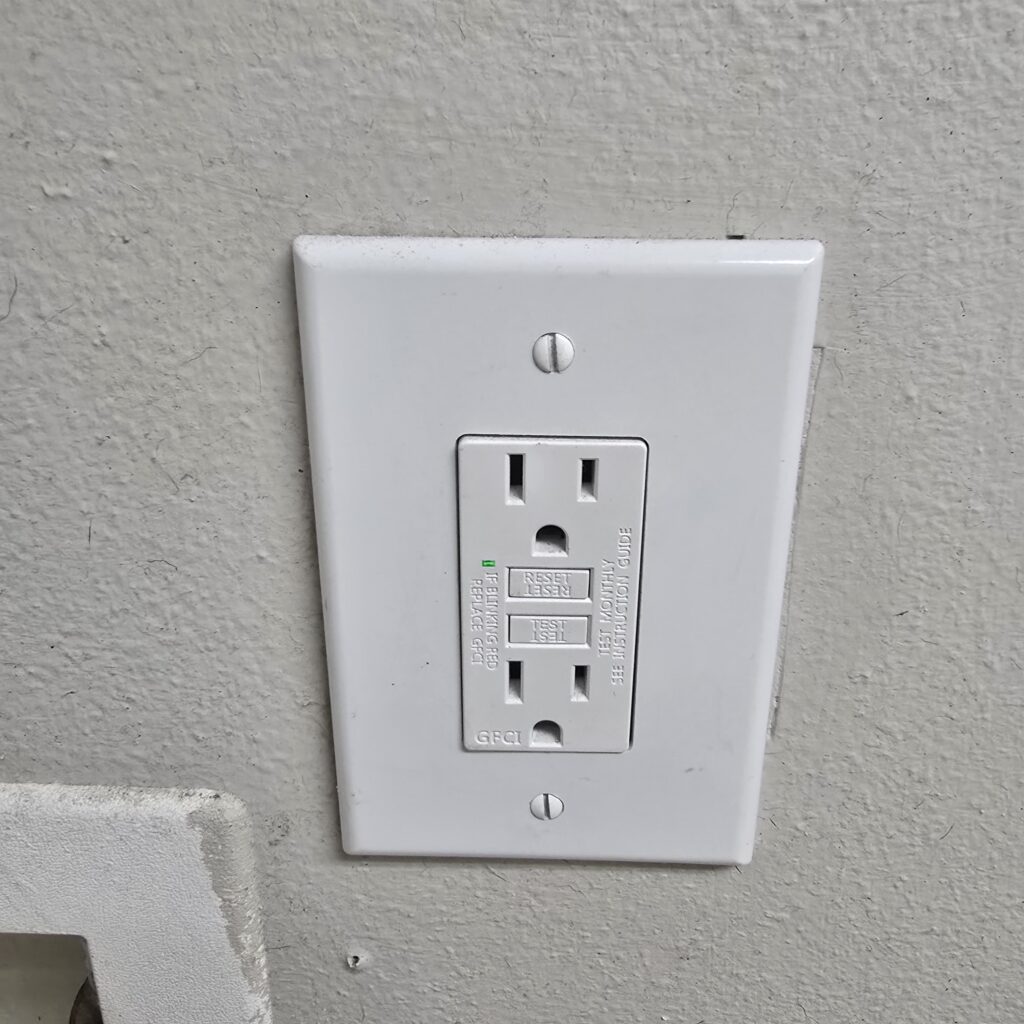
Older outlets in kitchens, bathrooms, and garages may also lack the safety features modern code requires. Areas near water need GFCI protection, which shuts off power the instant it senses a ground fault. An aging standard outlet in these spots can run warm and offer no protection against shock at the same time. Upgrading to a GFCI outlet solves both concerns and brings the location up to current code. Newer receptacles also use better materials and tighter contacts that resist heat far longer. Swapping decades old outlets for modern ones is one of the simplest safety improvements a homeowner can make. The work takes a trained electrician only minutes per outlet in most cases. The result is a cooler, safer, and code compliant outlet that you can trust for years. Need safer outlets near water or worn outlets replaced? Click here for our GFCI outlet installation service.
When to Worry About Outlets That Feel Warm to the Touch
Not every warm outlet is an emergency, but some warmth crosses a clear line into danger. The trick is reading the signs that separate harmless warmth from a true hazard. Temperature is one clue, and so are smell, sound, color, and the behavior of the circuit. A faint warmth on an outlet running a heavy device may be fine, while a hot outlet running nothing at all is not. Summer conditions can mask or worsen the problem, so the season matters too. Learning these warning signs helps you act fast when action truly counts. The sections below explain what to watch for and what each sign means. When in doubt, the safest move is always to stop using the outlet and call a professional.
Warning Signs That a Warm Outlet Is Dangerous
The clearest warning sign is heat you can barely stand to touch. A normal warm outlet feels mildly warmer than the wall, similar to a phone charger doing its job. An outlet that feels hot, makes you pull your hand back, or radiates heat through the faceplate has crossed into hazard territory. Heat at that level points to serious resistance, heavy arcing, or a failing connection inside the wall. You should stop using the outlet right away and avoid plugging anything else into it. If the heat is severe, switch off the breaker that feeds that circuit to remove the danger. Hot outlets can ignite the surrounding wood and insulation in a matter of minutes under the right conditions. Treating this sign with urgency can prevent a fire before it ever starts.
Smell and sound offer two more warnings you should never ignore. A faint odor of burning plastic or a sharp chemical smell near an outlet means components are overheating. That smell comes from hot plastic and insulation breaking down inside the receptacle or the wall box. A buzzing, crackling, or sizzling sound signals active arcing, where electricity jumps across a gap and burns the air. Arcing throws off intense heat and is one of the most direct causes of electrical fires. Any outlet that smells or makes noise needs immediate attention from an electrician. These signs mean the problem has already advanced beyond simple warmth. Shut the power to that circuit and keep the area clear until a professional arrives.
Visual clues and circuit behavior round out the list of warning signs. Brown or black scorch marks around the slots show that heat has already damaged the outlet. A faceplate that looks melted, cracked, or discolored tells the same story. Outlets that spark when you plug something in, beyond a tiny harmless flash, point to a real fault. Breakers that trip often on a circuit with warm outlets reveal a load or wiring problem that keeps repeating. Lights that flicker when an appliance kicks on can share the same root cause as the warmth. Any combination of these signs raises the urgency and calls for a prompt inspection. A licensed electrician can trace the fault and repair it before it grows into a disaster.
Summer Heat and Air Conditioning Load That Make Outlets Feel Warm
Summer heat and air conditioning load make outlets feel warm in ways that the cooler months never do. Oklahoma summers push temperatures high and keep them there for weeks, which raises the baseline temperature inside your walls. Wiring that runs warm under normal use runs even warmer when the surrounding air is already hot. Add the heavy, steady draw of air conditioners, and the load on each circuit climbs sharply. Central air units, window units, and portable coolers all pull strong current for hours without a break. That continuous draw heats the wiring and the outlets feeding it more than short bursts ever would. A warm outlet that felt normal in spring can edge toward dangerous heat during a July heat wave. The season alone can turn a minor weakness into a real concern.
Air conditioning circuits deserve careful attention during the hottest stretch of the year. A window unit plugged into a shared circuit competes with everything else on that line for current. The outlet feeding that unit carries the heaviest sustained load in the room and heats up the most. If that outlet was already loose or worn, the summer load can push it over the edge. Many midsummer service calls trace back to an air conditioner overwhelming an outlet that could not handle the demand. A dedicated circuit for each large cooling unit removes that strain and keeps the outlet cool. Proper air conditioning wiring also protects the appliance itself from voltage problems. Planning your cooling load before the worst heat arrives saves both comfort and safety.
Attic and exterior wiring face extra stress in the summer sun. Wiring that runs through an attic can sit in temperatures well above one hundred degrees on a hot Oklahoma afternoon. That heat lowers the safe carrying capacity of the wire and raises the temperature of everything connected to it. Outlets fed by these runs can feel warmer simply because their source wiring is already hot. Outdoor outlets exposed to direct sun and powering pool pumps or yard equipment face a similar challenge. The combination of high ambient heat and heavy load creates the perfect setting for an outlet to overheat. Regular summer inspections catch these stressed connections before they fail. An electrician can confirm that your wiring is sized correctly for both the load and the heat.
How an Electrician Inspects an Outlet That Feels Warm
An electrician inspecting a warm outlet starts by cutting the power and removing the cover. Safety comes first, so the breaker for that circuit goes off before any hands go near the wiring. With the receptacle pulled from the box, the electrician checks every connection for tightness and signs of heat. Discolored copper, melted insulation, and charred plastic each tell part of the story. A thermal camera or a careful touch test can reveal which spot ran the hottest. The electrician also confirms the wire gauge matches the breaker rating, since a mismatch creates its own hazard. Each finding points toward the true cause rather than just the symptom you felt at the faceplate. This careful approach separates a quick receptacle swap from a deeper wiring repair.
Testing the circuit gives the electrician the full picture behind the warmth. A voltage and load test shows how much current the circuit carries under real conditions. This reveals overloads that only appear when several devices run at once. The electrician traces the circuit to find every outlet and fixture sharing the line. Hidden junction boxes and forgotten connections often hide the source of the heat. Checking the breaker itself confirms that it still trips correctly when it should. A worn breaker can fail to protect a circuit that is drawing too much current. Every test builds toward a clear plan to fix the problem at its root.
The final step turns the inspection findings into a lasting repair. A loose connection gets tightened or rewired to the screw terminals for a solid grip. A worn or heat damaged receptacle gets replaced with a new, properly rated unit. An overloaded circuit gets relief through a new dedicated line or a panel upgrade. Aluminum wiring gets the approved connectors and methods that make it safe. The electrician then tests the repaired outlet under load to confirm it runs cool. You receive a clear explanation of what caused the heat and how the fix solves it. That peace of mind is the real value of a professional inspection.
Why You Need a Professional to Fix Warm Outlets in Your Home
A warm outlet sits at the intersection of comfort and safety in your home. The cause can be simple or serious, and only a trained eye can tell the two apart with certainty. Working inside an energized outlet box carries real risk of shock and fire for anyone without the right training. A licensed electrician brings the tools, knowledge, and code expertise to fix the problem the right way. The cost of a professional repair is small next to the cost of an electrical fire. Our team is ready around the clock to keep your outlets cool and your family safe.
How We Repair Outlets That Feel Warm to the Touch
We repair outlets that feel warm by finding and fixing the true cause, not just the symptom. Our electricians arrive with the diagnostic tools to test connections, load, and breaker performance. We tighten loose terminals, move backstabbed wires to the screws, and replace worn receptacles. When a circuit carries too much load, we add capacity so the outlet no longer runs hot. Every repair meets current Oklahoma electrical code and our own high standard for safe work. We test the finished outlet under load so you know it runs cool before we leave.
We treat warm outlet calls with the urgency the hazard deserves. Heat at an outlet can mean a fire risk hiding behind your wall, so we never brush it off. Our team explains what we find in plain language you can understand. You learn what caused the warmth, what we did to fix it, and how to prevent it going forward. We back our labor with a one year warranty and our panel work with a three year warranty. That commitment reflects the ethos we bring to every job in the Oklahoma City metro.
We serve homeowners across McLoud, Shawnee, Midwest City, Norman, Edmond, and the wider Oklahoma City area. Our local roots mean we understand the older wiring and the summer heat that stress outlets here. We carry the parts and equipment to handle most warm outlet repairs in a single visit. From a quick receptacle swap to a full panel upgrade, we size the fix to the real problem. Honest, upfront pricing means you know the cost before any work begins. We aim to leave every home safer than we found it.
When to Call for Emergency Service for a Warm Outlet
Some warm outlet situations cannot wait for a regular appointment. An outlet that is hot to the touch, smoking, sparking, or smelling of burnt plastic is an emergency. A buzzing or crackling sound from inside the wall means active arcing that can ignite at any moment. In these cases, switch off the breaker for that circuit and call right away. Removing power buys time and stops the heat from building further. Our emergency electricians answer the phone around the clock for exactly these moments.
Acting fast on a dangerous outlet protects both your home and your family. Electrical fires spread quickly and often start inside walls where you cannot see them. The minutes between noticing the problem and shutting off the power can make all the difference. Once the circuit is off, do not turn it back on until an electrician inspects the outlet. Restoring power to a faulty outlet only restarts the dangerous heating. Our team can reach your home fast and make the situation safe.
Even after the immediate danger passes, the underlying fault still needs a permanent repair. An outlet that overheated once will overheat again until the cause is corrected. Our electricians find the root problem and fix it so the danger does not return. We replace damaged components and confirm the circuit is safe under real load. You should never feel unsure about an outlet that has already run hot. Click here for our emergency electrician service when warm outlets turn into a true hazard.
Why Choose 24/7 Electrical Services and Repairs
We are a locally owned and family operated electrical company rooted right here in McLoud, Oklahoma. Our work is backed by Oklahoma electrician license number 084623, so you know every job meets state standards. We built our name on honest, upfront pricing and free local estimates with no surprises. Homeowners across the Oklahoma City metro trust us for panel upgrades, generator work, and everyday repairs. We treat every warm outlet as a chance to make a home safer. That care is the heart of how we do business.
Our team specializes in panel upgrades and Generac generator installation, two areas that demand precise, safe work. The same attention to detail carries into every outlet repair we perform. We stand behind our labor with a one year warranty and our panel work with a three year warranty. Our 24/7 availability means help is ready whenever an electrical problem strikes. We answer the phone day and night, weekends and holidays included. You never have to face a dangerous outlet alone.
A warm outlet is your home asking for attention, and we are ready to answer. Our licensed electricians will find the cause, fix it the right way, and leave your outlets cool and safe. We bring the experience, the warranties, and the local knowledge to protect your family through the hottest Oklahoma summers. Free local estimates and honest pricing make the first call easy. Reach 24/7 Electrical Services and Repairs today at (405) 915-3280 to schedule your service. Let us give you the peace of mind that comes from outlets you can trust.